Tesla's Next-Gen AI5 Chip: Powering the Future of Autonomous Systems
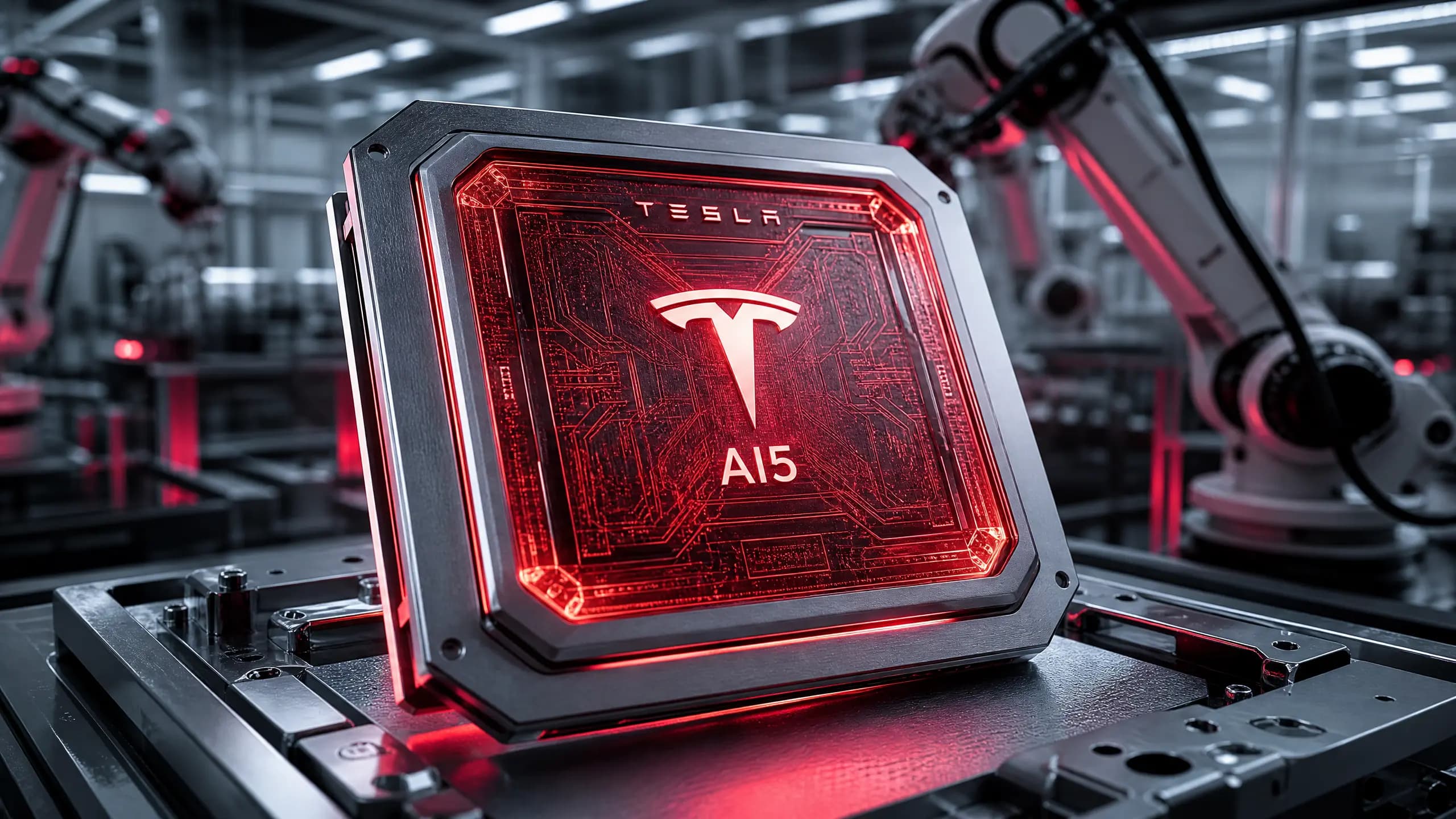
Tesla, a company synonymous with electric vehicles and ambitious technological innovation, has once again pushed the boundaries of artificial intelligence hardware. On April 15, 2026, CEO Elon Musk announced the successful "tape out" of the company's next-generation AI5 chip [1]. This significant milestone marks the completion of the design phase, paving the way for the physical production of a processor poised to revolutionize autonomous driving, robotics, and supercomputing. The AI5 chip is not merely an incremental upgrade; it represents a strategic leap forward, promising unprecedented compute capabilities specifically tailored for Tesla's ambitious ecosystem, including its Optimus robots and Dojo supercomputer clusters.
A Quantum Leap in Performance: AI5 vs. AI4
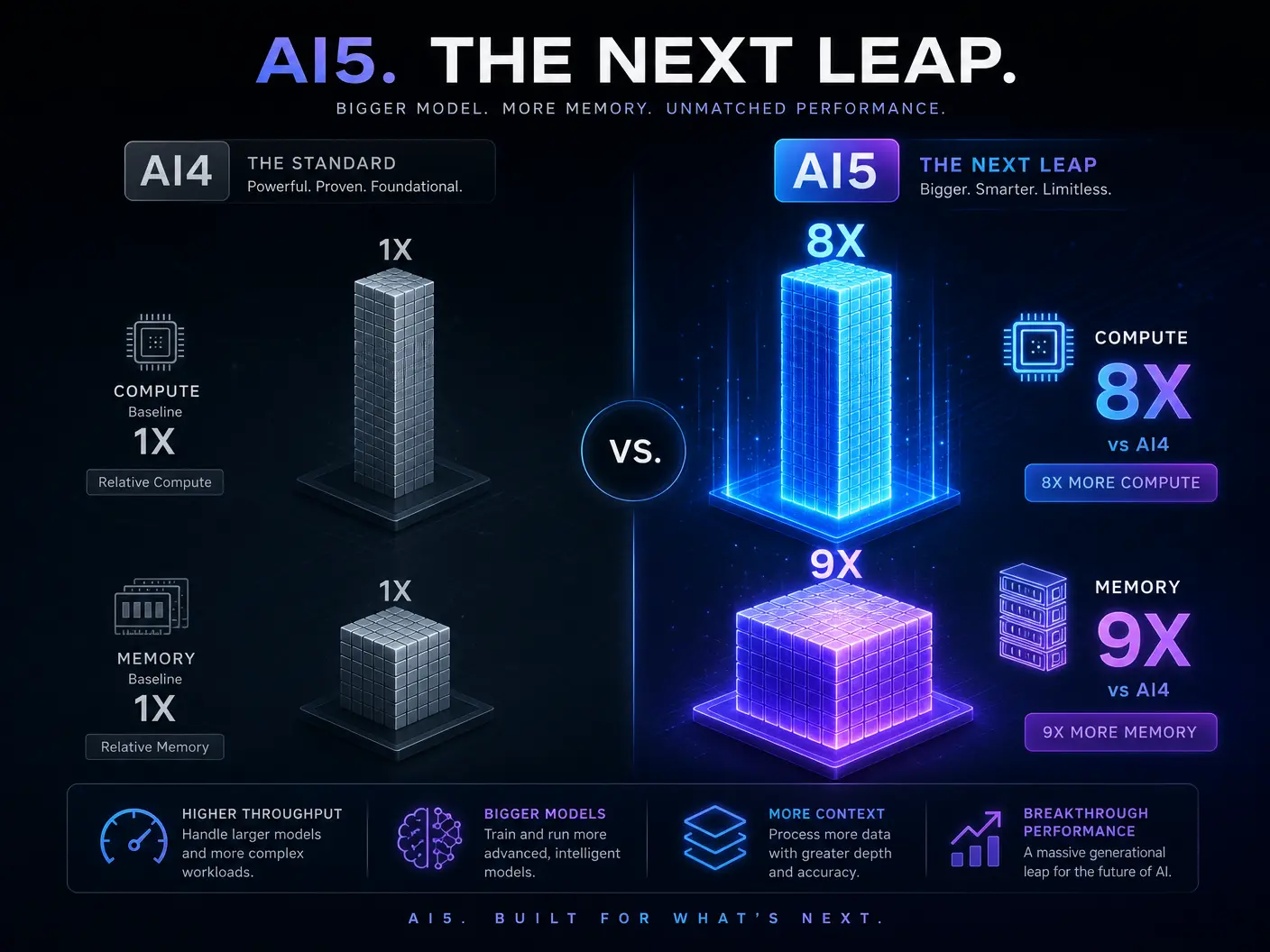
The specifications of the AI5 chip reveal a substantial improvement over its predecessor, the AI4. The new processor boasts approximately 8 times the compute power, 9 times the memory, and 5 times the bandwidth compared to the AI4 [2]. These enhancements are critical for handling the immense data processing demands of advanced AI workloads, particularly in real-time autonomous operations. While specific benchmarks are still emerging, early indications suggest that the AI5's performance is comparable to industry-leading GPUs like Nvidia's H100 and the forthcoming Blackwell series, but with a crucial distinction: it is meticulously optimized for Tesla's unique requirements.
This optimization is key to Tesla's vertical integration strategy. By designing its own silicon, Tesla can fine-tune the chip architecture to precisely match the needs of its Full Self-Driving (FSD) software and the complex neural networks that govern the behavior of its Optimus humanoid robots. This bespoke approach allows for greater efficiency, lower power consumption, and ultimately, superior performance in Tesla-specific applications, giving the company a distinct competitive advantage.
The Strategic Imperative: Why In-House Silicon?
Tesla's decision to invest heavily in in-house chip design is driven by several strategic imperatives:
- Performance Optimization: Custom silicon allows for hardware-software co-design, leading to highly optimized performance for specific AI tasks that off-the-shelf solutions cannot match.
- Cost Efficiency: While initial R&D costs are high, in the long run, designing and potentially manufacturing its own chips can reduce reliance on external suppliers and control costs at scale.
- Supply Chain Security: Developing proprietary chips mitigates risks associated with global semiconductor shortages and geopolitical tensions, ensuring a stable supply for its rapidly expanding operations.
- Competitive Differentiation: Unique hardware capabilities create a moat around Tesla's technology, making it harder for competitors to replicate its advancements in AI and robotics.
- Accelerated Innovation: Direct control over the chip design cycle enables faster iteration and integration of new AI models and features into its products.
Made in the U.S.: A Boost for Domestic Semiconductor Manufacturing
Perhaps one of the most significant aspects of the AI5 chip's development is its production strategy. Elon Musk confirmed that the AI5 will be manufactured in the U.S. by semiconductor giants TSMC and Samsung [1]. This move is a major win for domestic semiconductor manufacturing and aligns with broader efforts to reshore critical technology production. The collaboration with TSMC and Samsung, two of the world's most advanced foundries, ensures that the AI5 will benefit from cutting-edge fabrication processes, guaranteeing high quality and performance.
This domestic production also has broader economic and geopolitical implications. It strengthens the U.S. position in the global semiconductor supply chain, reduces dependence on overseas manufacturing, and fosters job creation in high-tech sectors. For Tesla, it provides a more secure and potentially faster path from design to deployment, crucial for its ambitious timelines in autonomous technology and robotics.
Powering Optimus and Dojo: The AI5 Ecosystem
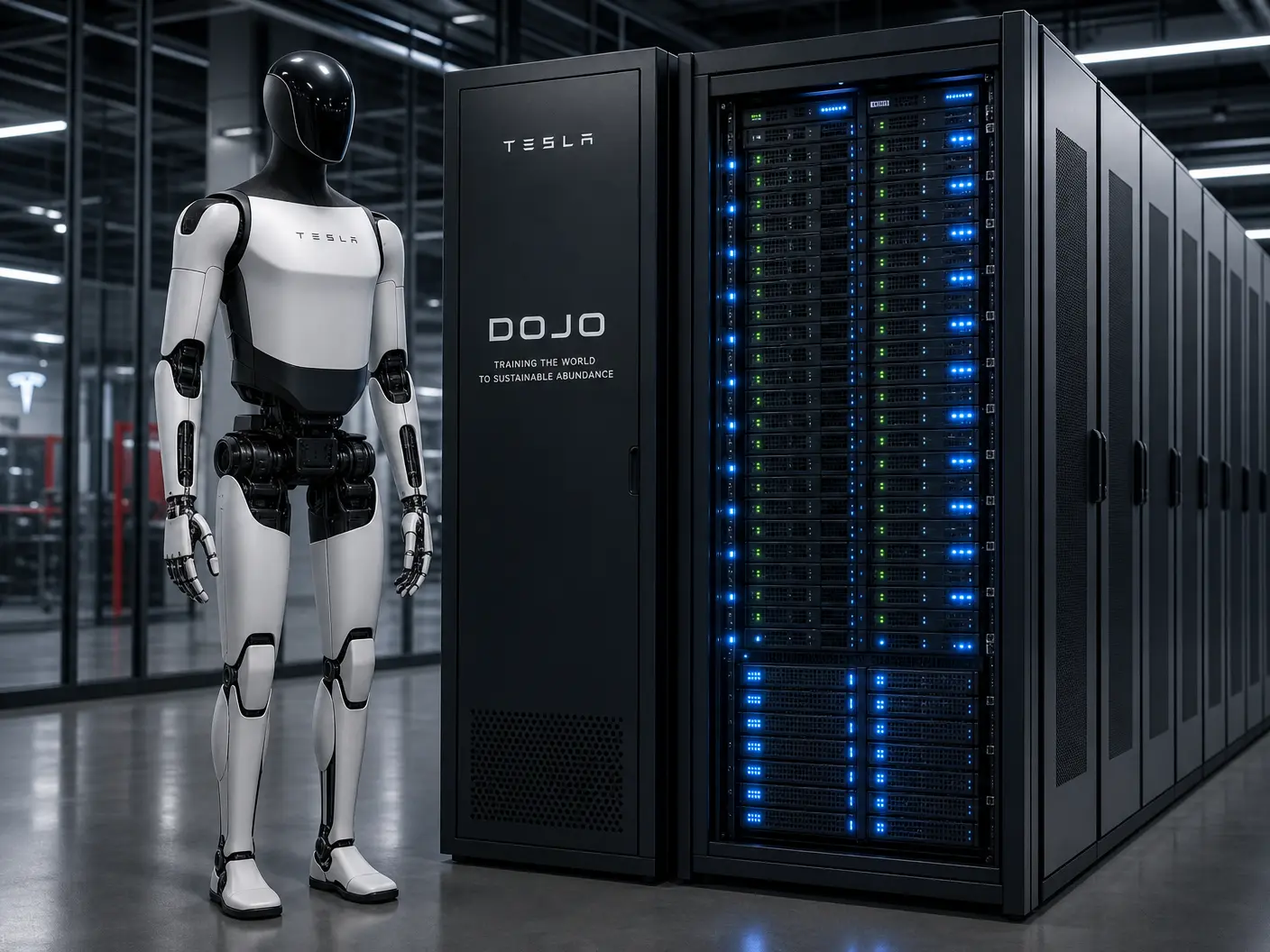
The AI5 chip is designed to be the computational backbone for two of Tesla's most transformative projects: the Optimus humanoid robot and the Dojo supercomputer clusters.
Optimus Robots: Embodied AI in the Real World
Optimus, Tesla's humanoid robot, is envisioned to perform dangerous, repetitive, or mundane tasks, eventually transforming various industries and daily life. The AI5 chip's enhanced compute power, memory, and bandwidth are essential for Optimus to navigate complex environments, process real-time sensory data, and execute intricate motor commands with precision and fluidity. The ability to perform rapid, on-device inference is paramount for a robot that needs to react instantaneously to its surroundings, making the AI5 a critical enabler for Optimus's development and deployment.
Dojo Supercomputer Clusters: Training the Next Generation of AI
Dojo is Tesla's custom-built supercomputer designed to train its AI models, particularly for autonomous driving. The AI5 chip will be integrated into Dojo, significantly boosting its computational capacity. This increased power will allow Tesla to train larger, more complex neural networks faster and more efficiently, accelerating the development of its FSD software and other AI applications. The synergy between the AI5 chip and the Dojo platform creates a powerful feedback loop: advanced chips enable more sophisticated AI training, which in turn leads to more capable autonomous systems.
The Road Ahead: Challenges and Opportunities
The tape out of the AI5 chip is a monumental achievement, but the journey ahead is not without its challenges. The semiconductor industry is notoriously complex, with high manufacturing costs, intense competition, and rapid technological obsolescence. Tesla will need to navigate these complexities while continuing to innovate at a blistering pace.
However, the opportunities are equally vast. With the AI5, Tesla is positioning itself at the forefront of the AI hardware revolution, not just as a consumer of chips but as a significant producer. This strategic move could solidify its leadership in autonomous vehicles and robotics, opening new revenue streams and further diversifying its technological portfolio. The success of the AI5 will be a testament to Tesla's engineering prowess and its unwavering commitment to an autonomous future.
Conclusion:
Tesla's AI5 chip represents a pivotal moment in the company's journey towards a fully autonomous future. With its superior performance, U.S.-based manufacturing, and dedicated design for Optimus robots and Dojo supercomputers, the AI5 is set to accelerate advancements in AI and robotics. This strategic investment in custom silicon underscores Tesla's commitment to vertical integration and its vision of creating a seamless, intelligent ecosystem. As the AI5 moves from design to production, the world watches to see how this powerful chip will unlock new possibilities and redefine the landscape of autonomous technology.
Author: Malik AI Team
Date: 2026-05-05
References:
[1] Electrek. (2026, April 15).
Tesla taped out AI5 chip, Musk says — nearly 2 years behind schedule.
https://electrek.co/2026/04/15/tesla-ai5-chip-taped-out-musk-ai6-dojo3/
[2] Reddit. (2026, April 15).
Tesla Tapes Out AI5 Chip for Next-Generation Self-Driving....
https://www.reddit.com/r/teslamotors/comments/1sm42xp/tesla_tapes_out_ai5_chip_for_nextgeneration/