OpenAI Revolutionizes Personal Finance with ChatGPT Integration
In an era where managing personal finances can feel overwhelmingly complex, OpenAI has stepped forward with a groundbreaking solution: integrating advanced personal finance tools directly into ChatGPT for its Pro subscribers in the U.S. This innovative move, announced on Friday, May 15, 2026, promises to transform how individuals interact with their financial data, offering unprecedented insights and planning capabilities. Imagine a world where your AI assistant not only understands your spending habits but also helps you strategize for future financial milestones, all through natural language conversations. This is the future OpenAI is building.
The Dawn of AI-Powered Financial Management
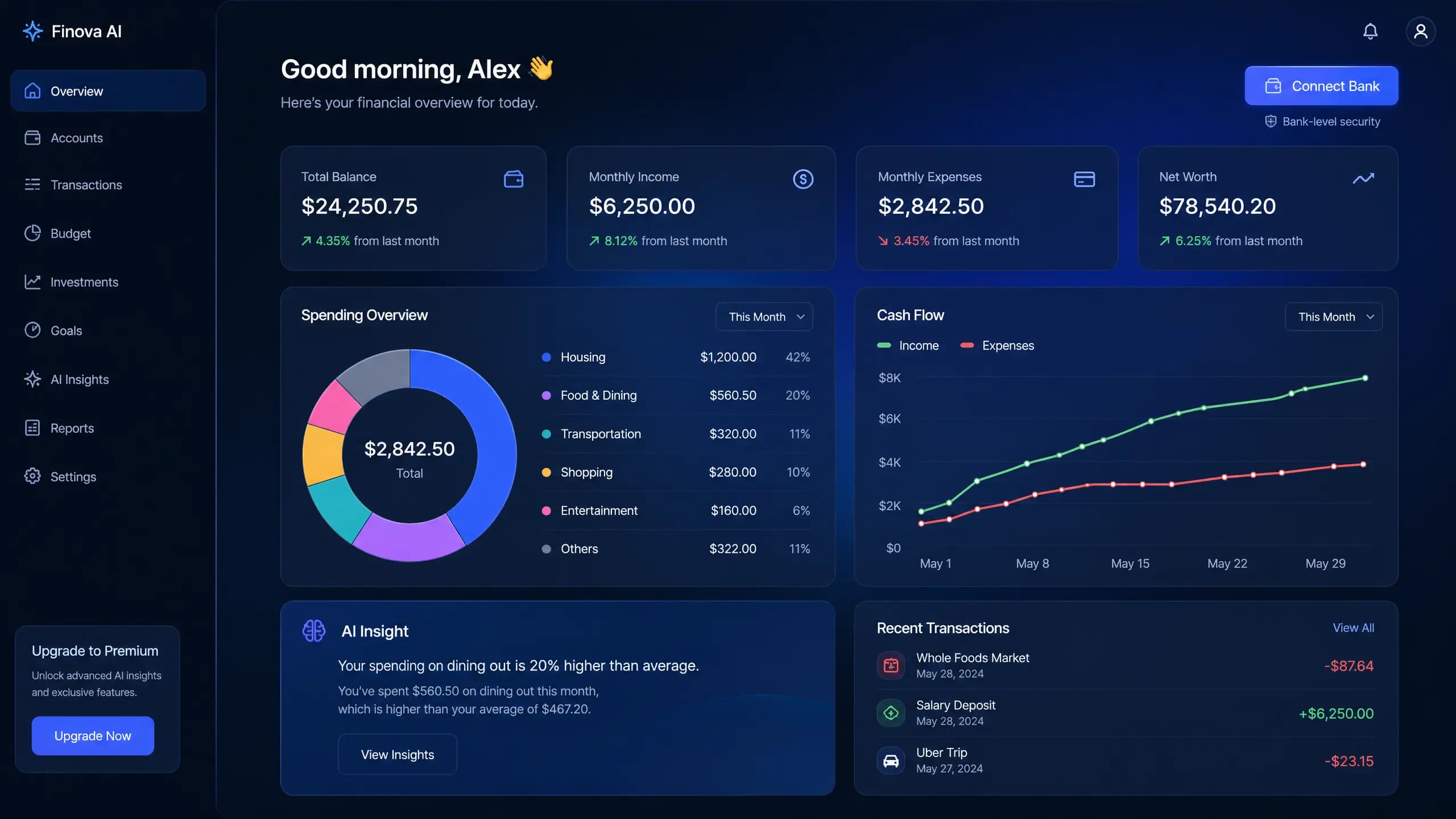
The integration allows ChatGPT Pro users to securely link their bank accounts and other financial instruments, providing a holistic view of their economic landscape. This is made possible through a strategic partnership with Plaid, a leading financial data network. Plaid’s robust infrastructure enables connections to over 12,000 financial institutions, including major players like Schwab, Fidelity, Chase, Robinhood, American Express, and Capital One. Once connected, users gain access to a personalized dashboard showcasing portfolio performance, detailed spending breakdowns, subscription management, and upcoming payment alerts.
A Strategic Acquisition: The Hiro Team
This significant product launch follows OpenAI’s acquisition of the personal finance startup Hiro’s team just a month prior, in April 2026. Hiro, backed by prominent firms such as Ribbit, General Catalyst, and Restive, brought invaluable expertise in the fintech sector. While OpenAI acknowledges the Hiro team’s crucial role in developing these new features, the extent of their direct contribution to the entire product remains unspecified. This acquisition underscores OpenAI’s commitment to rapidly expanding its capabilities in specialized domains, leveraging external talent and innovation to accelerate its product roadmap.
How It Works: Seamless Integration and Intelligent Analysis
Accessing these new financial tools is designed to be intuitive. Users can initiate the process by selecting “Get started” under the “Finances” option in the ChatGPT sidebar or by simply typing “@Finances, connect my accounts” within a conversation. The chatbot then guides them through the secure account linking process via Plaid. Looking ahead, OpenAI plans to extend support to Intuit, which will unlock even more sophisticated analyses, such as evaluating the tax implications of stock sales or assessing the likelihood of credit card approval.
The Power of GPT-5.5 in Financial Reasoning
OpenAI reports that over 200 million users already engage ChatGPT with financial queries monthly, highlighting a significant demand for AI-driven financial assistance. The introduction of the new GPT-5.5 model further enhances this capability. GPT-5.5 boasts superior reasoning with context, a critical attribute for navigating the nuances of financial questions. To ensure accuracy and reliability, OpenAI collaborated with financial experts to establish a rigorous benchmark, continuously improving the model’s performance in personal finance scenarios.
Real-World Examples of ChatGPT’s Financial Utility:
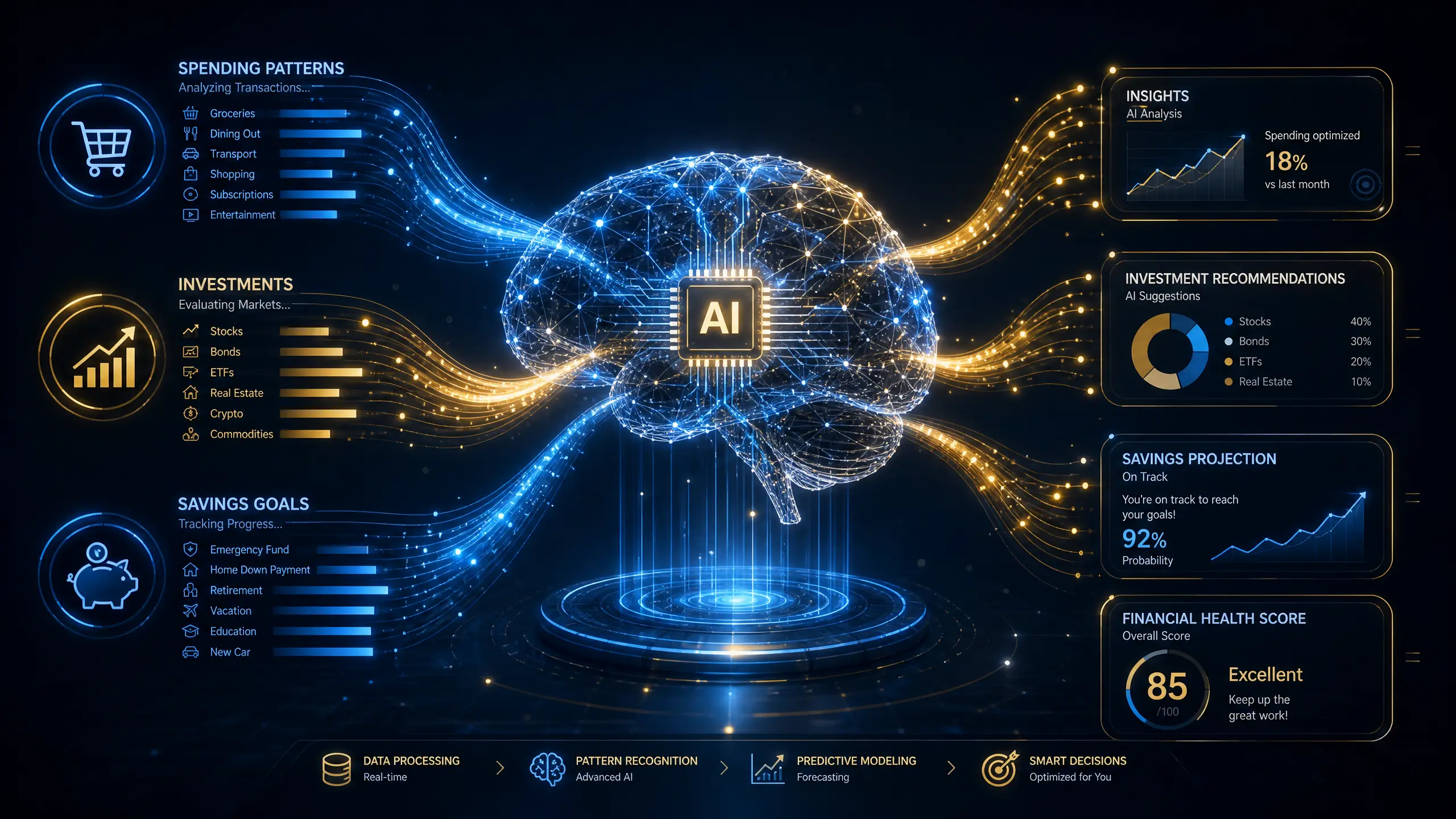
- Spending Analysis: Users can ask, “I feel like I’ve been spending more recently. Has anything changed?” ChatGPT can then analyze recent transactions, identify trends, and pinpoint specific categories where spending has increased, offering actionable insights. For instance, it might reveal a 20% increase in dining out expenses over the last month, prompting the user to adjust their budget.
- Future Planning: For long-term goals, a user might inquire, “Help me build a plan to be ready to buy a house in my area in the next 5 years.” ChatGPT can then factor in income, current savings, local housing market data, and potential investment strategies to create a personalized roadmap, including recommended savings rates and investment vehicles.
- Budget Optimization: The AI can help optimize budgets by suggesting areas for savings based on spending patterns. For example, if a user frequently spends on multiple streaming services, ChatGPT might suggest consolidating or canceling less-used subscriptions.
- Debt Management: Users can receive guidance on managing debt, with the AI analyzing interest rates and balances to recommend the most efficient repayment strategies, such as the snowball or avalanche method.
Data Privacy and User Control
OpenAI emphasizes user control over their financial data. Users can easily manage their connections by navigating to Settings > Apps > Finances, where they can remove access to specific accounts. Upon disconnection, all synced data is purged from ChatGPT within 30 days. Furthermore, users have the ability to view and delete financial memories directly from the Finances page, ensuring a high degree of privacy and data governance.
Industry Insights: The Trend Towards Specialized AI
The move by OpenAI reflects a broader industry trend: the shift from generalized chatbots to specialized AI applications. While general-purpose AI models are adept at a wide range of tasks, the sensitive nature of topics like health, finance, and personal life necessitates tailored solutions. Both OpenAI and Anthropic have already ventured into health-related AI tools. Earlier this month, Perplexity launched its own financial research product, powered by its Computer agent. This specialization ensures greater accuracy, security, and relevance for users dealing with critical personal information.
The Competitive Landscape
The personal finance AI market is becoming increasingly competitive. Traditional financial institutions are investing heavily in AI-driven advisory services, while fintech startups are emerging with innovative solutions. OpenAI’s entry, backed by the immense popularity and capabilities of ChatGPT, positions it as a formidable player. However, success will hinge on continuous innovation, maintaining robust security protocols, and building unwavering user trust in handling sensitive financial data.
Conclusion: A New Era for Personal Finance
OpenAI’s launch of personal finance tools within ChatGPT marks a significant milestone in the evolution of AI. By combining advanced conversational AI with secure financial data integration, the company is empowering users with intelligent, personalized financial management capabilities. This development not only simplifies complex financial tasks but also opens new avenues for proactive financial planning and decision-making. As AI continues to mature, specialized applications like this will become indispensable, reshaping industries and enhancing daily life. The future of personal finance is here, and it’s conversational, intelligent, and deeply integrated into our digital lives.
Statistics/Data Points:
- 12,000+ Financial Institutions: Plaid’s network allows connection to over 12,000 banks and credit unions.
- 200 Million+ Monthly Financial Queries: Highlighting the existing demand for AI financial assistance on ChatGPT.
- GPT-5.5 Model: Enhanced reasoning capabilities crucial for complex financial analysis.
- Hiro Acquisition: Strategic move to integrate specialized fintech expertise.
Practical Explanations:
- Simplified Budgeting: AI can automatically categorize expenses and suggest budget adjustments.
- Investment Guidance: Receive personalized investment recommendations based on risk tolerance and financial goals.
- Proactive Alerts: Get notifications for unusual spending, upcoming bills, or potential overdrafts.
- Tax Planning: Future integration with Intuit will enable AI to assist with tax implications of financial decisions.
Experience-Based Insights:
- Empowering Financial Literacy: By making financial data more accessible and understandable, AI tools can significantly improve financial literacy among users.
- Time Savings: Automating data aggregation and analysis frees up valuable time that users would otherwise spend manually tracking finances.
- Reduced Financial Stress: Proactive insights and personalized planning can alleviate financial anxiety by providing a clearer path to financial well-being.
- Personalized Advice at Scale: AI offers tailored financial advice that was once only accessible through expensive human advisors, democratizing financial planning.