OpenAI Takes Codex Mobile: Unshackling AI Development from the Desktop
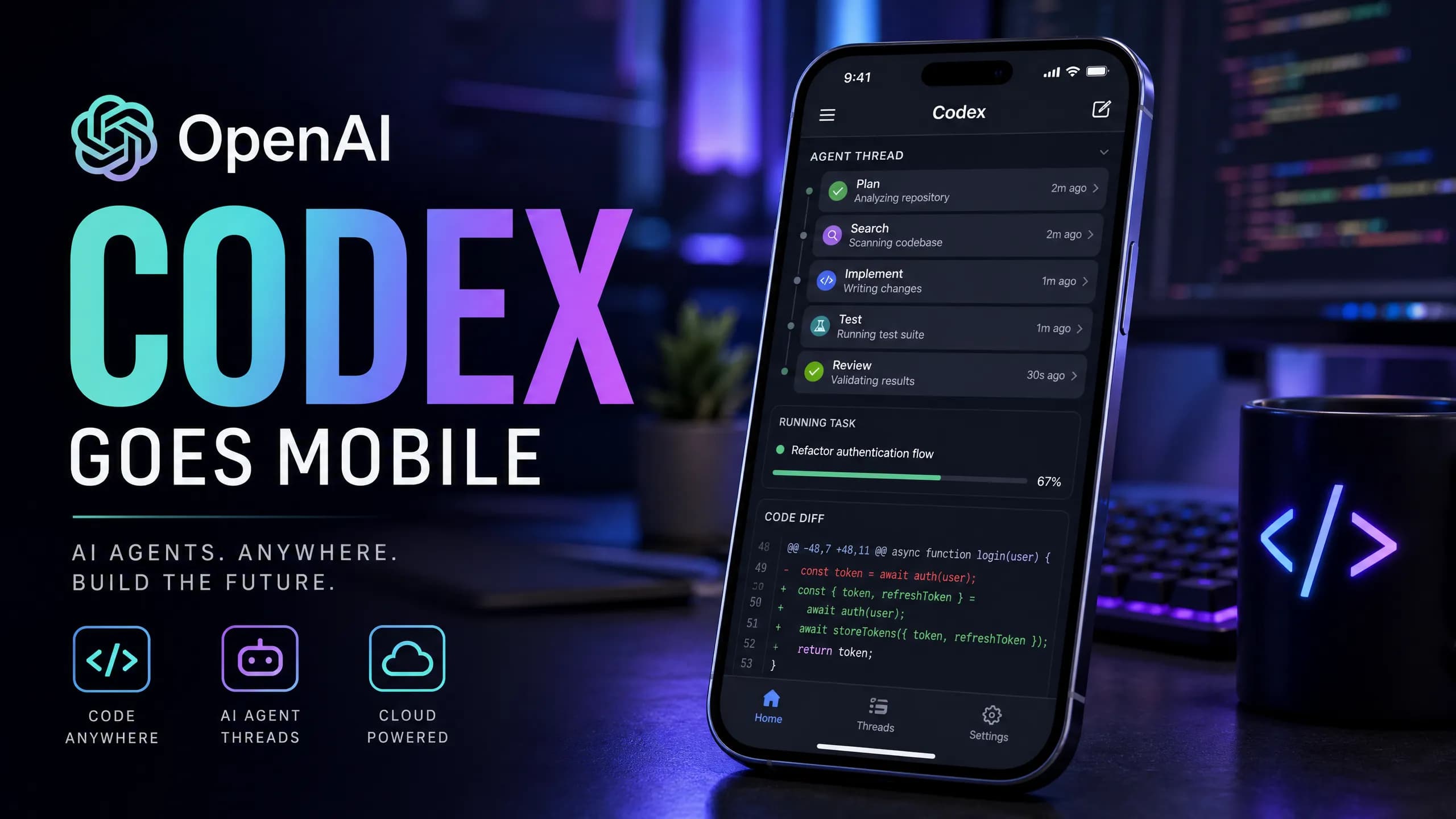
In a significant move poised to redefine the landscape of AI development, OpenAI has officially rolled out its powerful coding assistant, Codex, within the ChatGPT iOS application. This integration marks a pivotal moment, liberating developers from the confines of their desktops and enabling them to manage, track, and initiate long-running AI tasks directly from their mobile devices. This strategic enhancement not only addresses a critical need for flexibility in the fast-paced world of AI but also intensifies the competitive dynamics within the coding tool market, particularly as OpenAI vies for dominance against emerging rivals like Anthropic.
The Evolution of AI Development: From Desktop to Mobile
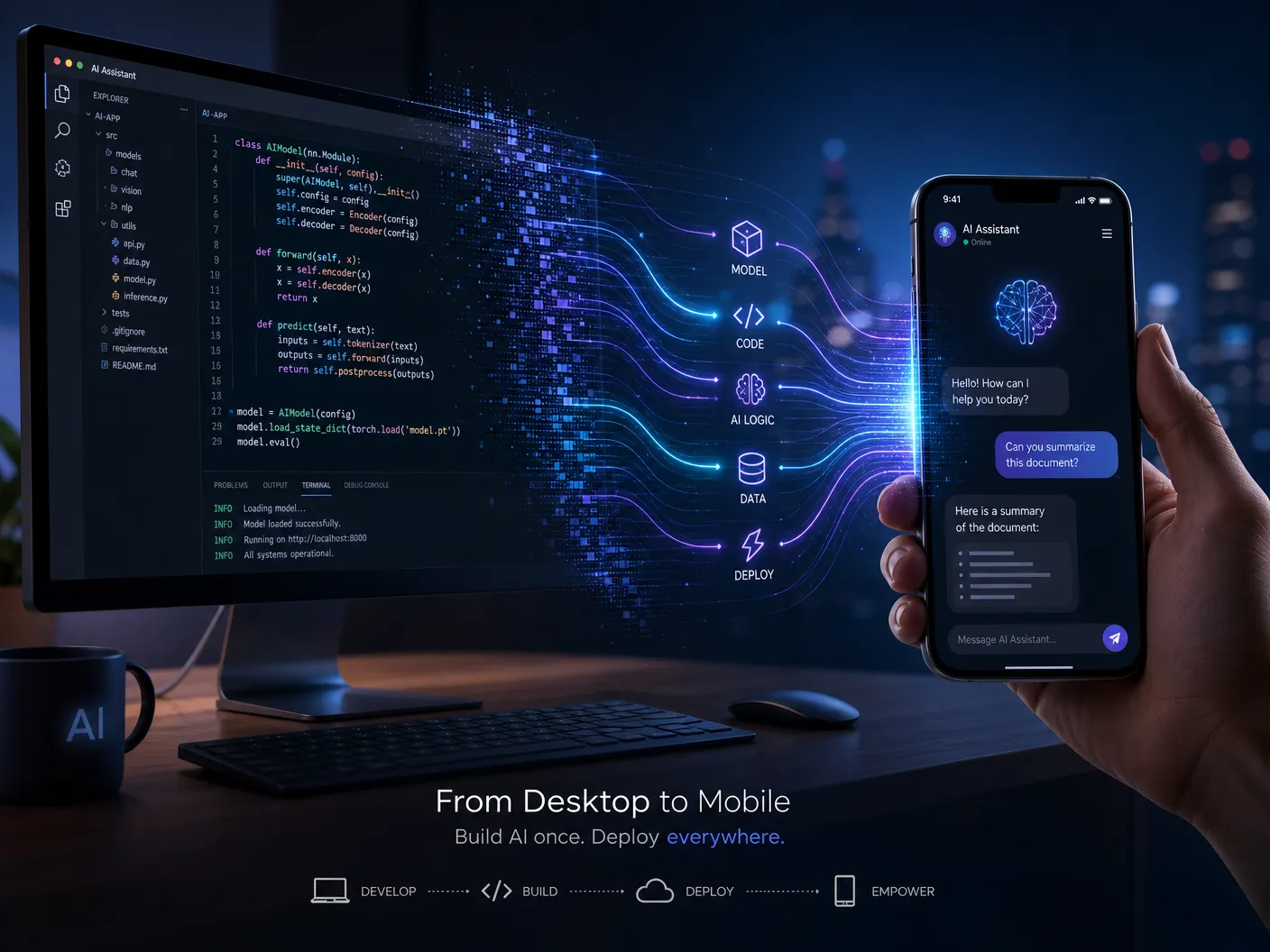
For years, the development and management of complex AI models and agents have been tethered to powerful desktop workstations or remote servers. While these environments offer the necessary computational resources, they often restrict the agility and responsiveness required in modern development cycles. The introduction of Codex on mobile is a direct response to this limitation, offering a seamless extension of the development environment into the pockets of AI engineers and researchers.
Key Features of Mobile Codex:
- Remote Task Management: Users can now access live threads, monitor code changes, approve decisions, and manage plugins directly from their iOS devices.
- Secure Relay Layer: OpenAI emphasizes the implementation of a "secure relay layer" that safeguards the user's computer from direct exposure to the open internet, ensuring data integrity and security.
- Cross-Device Synchronization: The mobile system seamlessly syncs with other ChatGPT instances, providing a unified experience across different platforms.
- Initiate New Tasks: Developers can start new AI tasks on the go, allowing for continuous workflow even when away from their primary workstations.
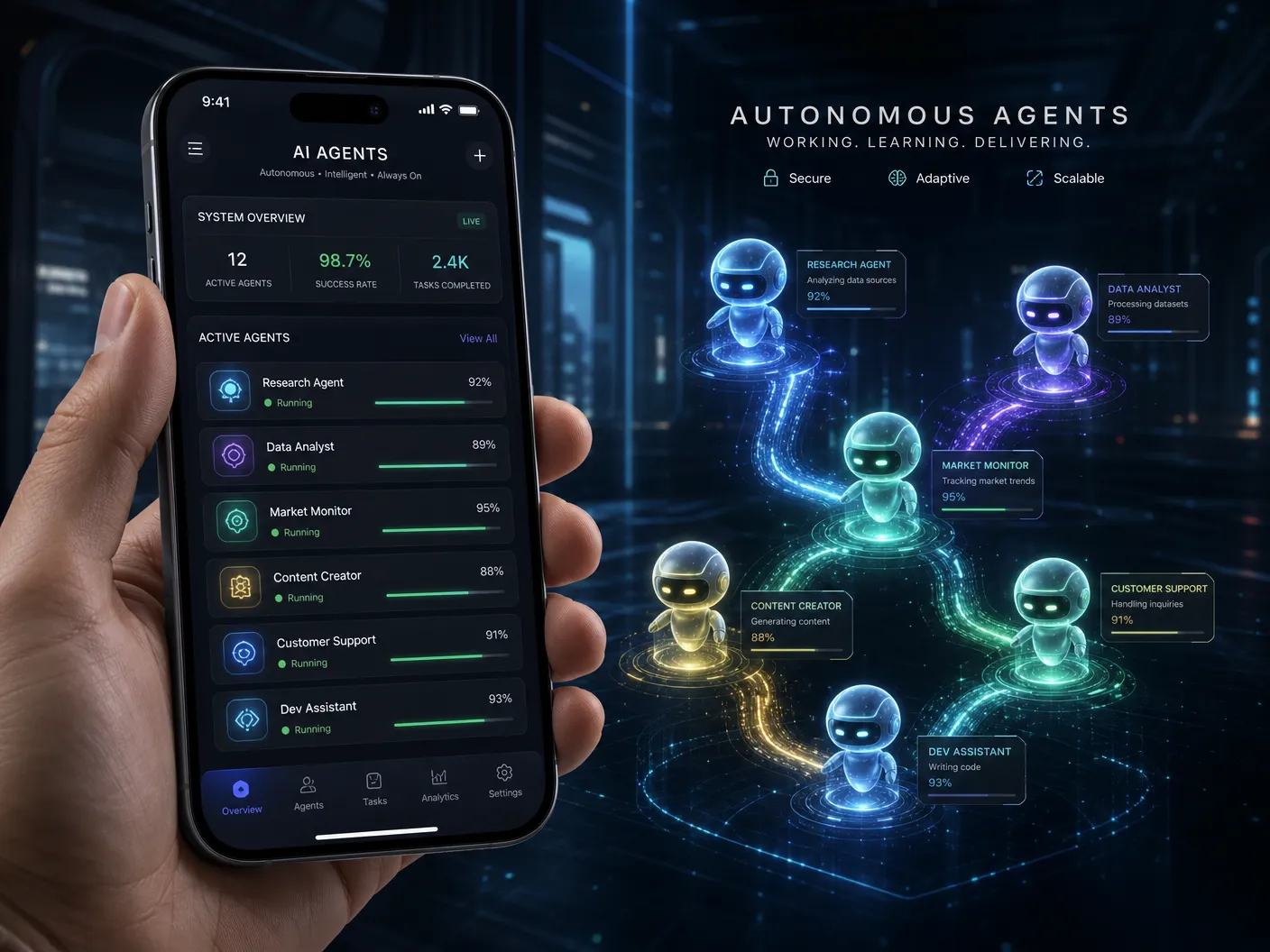
This mobile integration is more than just a convenience; it represents a fundamental shift in how AI development can be approached. The ability to keep agents running and manage tasks remotely, especially as AI models become increasingly capable of executing for extended periods, is a substantial quality-of-life improvement. It effectively "unshackles users from desks and computers," fostering a more dynamic and responsive development ecosystem.
The Competitive Edge: OpenAI vs. Anthropic
The move to mobile for Codex is also a clear strategic play in the escalating competition between OpenAI and Anthropic in the coding tool market. OpenAI's blog post subtly, yet directly, positioned its offering as superior, stating it's "more than the ability to remotely control a single task or dispatch new tasks to your computer." This statement is a direct jab at Anthropic, which had previously introduced its own mobile access features:
- Remote Control (February): Anthropic provided limited mobile access for Claude, allowing for remote oversight.
- Dispatch (March): This feature extended desktop accessibility for Claude, enabling on-the-go management.
While Anthropic's offerings were steps in the right direction, OpenAI's comprehensive integration of Codex into the ChatGPT iOS app appears to offer a more robust and integrated mobile development experience. This competitive dynamic is beneficial for developers, as it drives innovation and pushes both companies to continuously enhance their tools.
Broader Implications and Industry Impact
The End of "Open Computers"?
The trend towards mobile AI management suggests that the era of developers needing to keep "open computers" running constantly to maintain agent operations may be drawing to a close. As AI models become more autonomous and capable of long-duration tasks, the ability to monitor and intervene from a mobile device becomes not just convenient, but essential for efficiency and work-life balance.
The Future of AI Hardware
Beyond software, this development also hints at future trends in AI hardware. With rumors circulating about OpenAI potentially developing its own phone in 2027, the mobile integration of Codex could be a precursor to a more deeply integrated AI hardware-software ecosystem. This could ignite a new rivalry in the AI hardware market, especially if Apple's much-anticipated Siri AI revival doesn't meet expectations.
The Developer Experience
Ultimately, the mobile accessibility of Codex is a boon for the developer experience. It allows for greater flexibility, faster iteration cycles, and a more seamless integration of AI development into daily workflows. This could lead to an acceleration of AI product development and deployment, as barriers to continuous engagement are reduced.
Conclusion
OpenAI's decision to bring Codex to the ChatGPT iOS app is a strategic masterstroke that addresses both practical developer needs and competitive pressures. By enabling mobile management of complex AI tasks, OpenAI is not only enhancing the utility of its tools but also setting a new standard for accessibility in AI development. As the AI landscape continues to evolve at a breakneck pace, such innovations are crucial for staying ahead, fostering a more agile development environment, and ultimately, bringing the power of AI closer to everyone.
References
- OpenAI takes Codex mobile - The Rundown AI