- Malik Logix
- Posts
- Agentic Execution Rise
Agentic Execution Rise
Discover how AI is moving from simple chatbots to autonomous agentic execution systems in 2026. Explore the multi-agent orchestration revolution.

Malik Farooq
April 27, 2026
Sponsored by
Deep Dive
Agentic Execution Rise
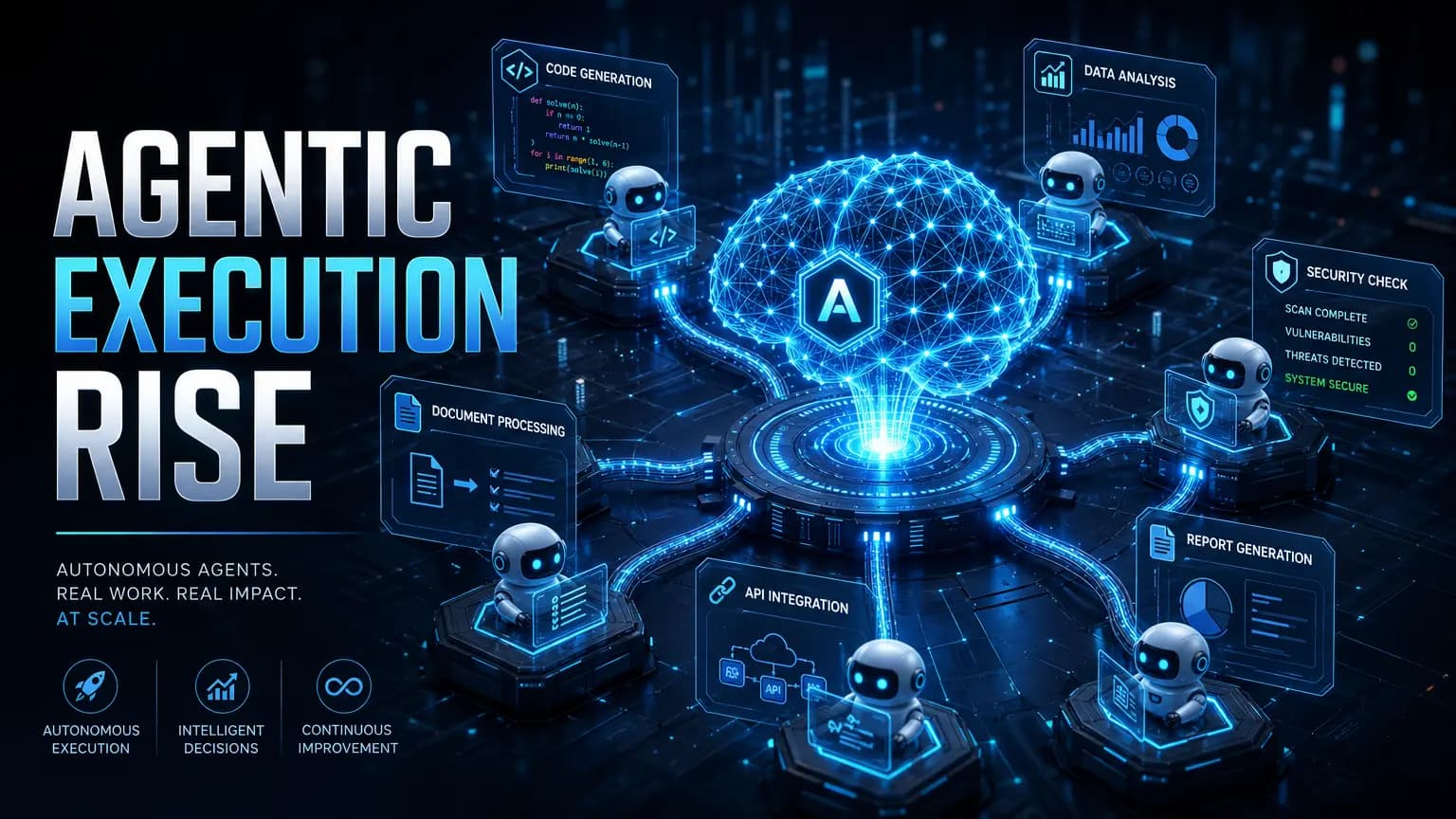
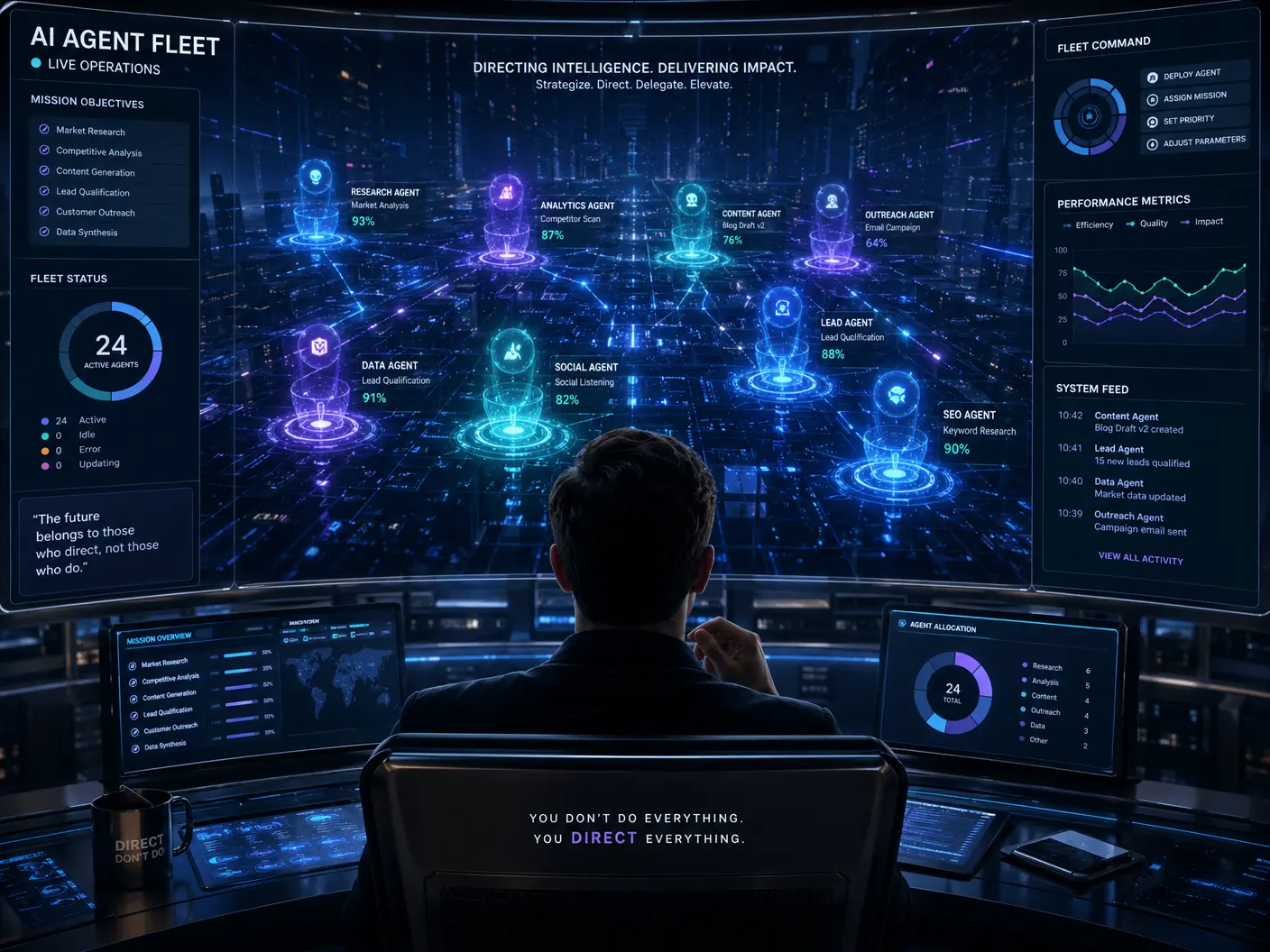
The era of the simple chatbot is officially over. As we navigate through April 2026, the artificial intelligence landscape has fundamentally shifted from conversational interfaces to robust, autonomous execution systems. This evolution marks a critical turning point in how enterprises and developers interact with machine intelligence. We are no longer asking AI to simply draft an email or summarize a document; we are commanding it to plan, execute, and verify complex, multi-step workflows autonomously.
This transformation is driven by the rapid maturation of agentic AI architectures. These systems are designed to operate independently, making decisions and taking actions to achieve predefined goals without constant human intervention. The implications for productivity, software development, and enterprise operations are profound, signaling a new dawn in the digital economy.
The Shift from Copilots to Autonomous Agents
For years, the industry focused on building "copilots"—AI assistants that worked alongside humans, offering suggestions and automating micro-tasks. While valuable, copilots still required a human in the loop to drive the process forward. The new paradigm of agentic execution removes this bottleneck. Modern AI agents are capable of understanding an entire repository, refactoring large codebases, creating pull requests, running tests, and debugging issues end-to-end [1].
This shift means developers and knowledge workers are transitioning from "doing the work" to "reviewing and directing autonomous agents." The focus has moved from suggestion-based assistance to execution-based development. The question is no longer whether AI can help us code or write, but rather how much of our entire workflow the AI can execute autonomously.
The Power of Multi-Agent Orchestration
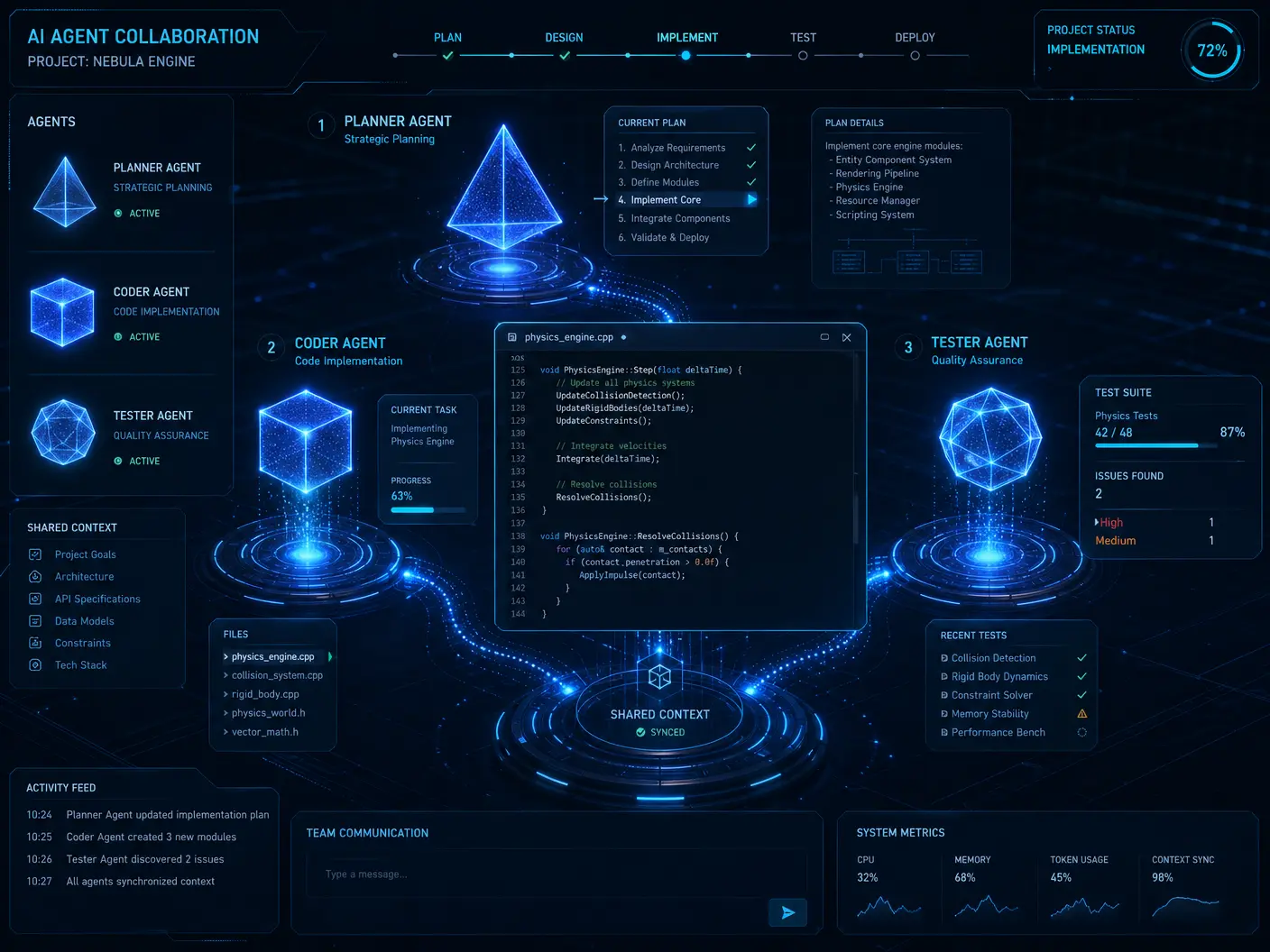
The true breakthrough in 2026 is not just the capability of a single agent, but the orchestration of multi-agent systems. Complex workflows require different reasoning strategies and specialized skills. A single, monolithic model often struggles to maintain context and accuracy over long, intricate tasks. Multi-agent architectures solve this by dividing labor among specialized entities.
A typical modern AI architecture now includes several distinct agent types working in concert:
| Agent Type | Primary Function | Example Use Case |
|---|---|---|
| Planner Agents | Break down complex goals into actionable steps. | Designing a software architecture from a prompt. |
| Research Agents | Gather and synthesize information from external sources. | Scraping the web for the latest market data. |
| Execution Agents | Perform the actual tasks, such as writing code or generating reports. | Writing the backend logic for a new application. |
| Verification Agents | Check the output for errors, security flaws, or hallucinations. | Running unit tests and reviewing code quality. |
This modular approach significantly improves the quality, reliability, and scalability of AI systems. By having one agent gather information, another validate sources, a third write the output, and a fourth check for correctness, the overall system becomes far more robust than any single model could be [1].
Enterprise Adoption and Productivity Gains
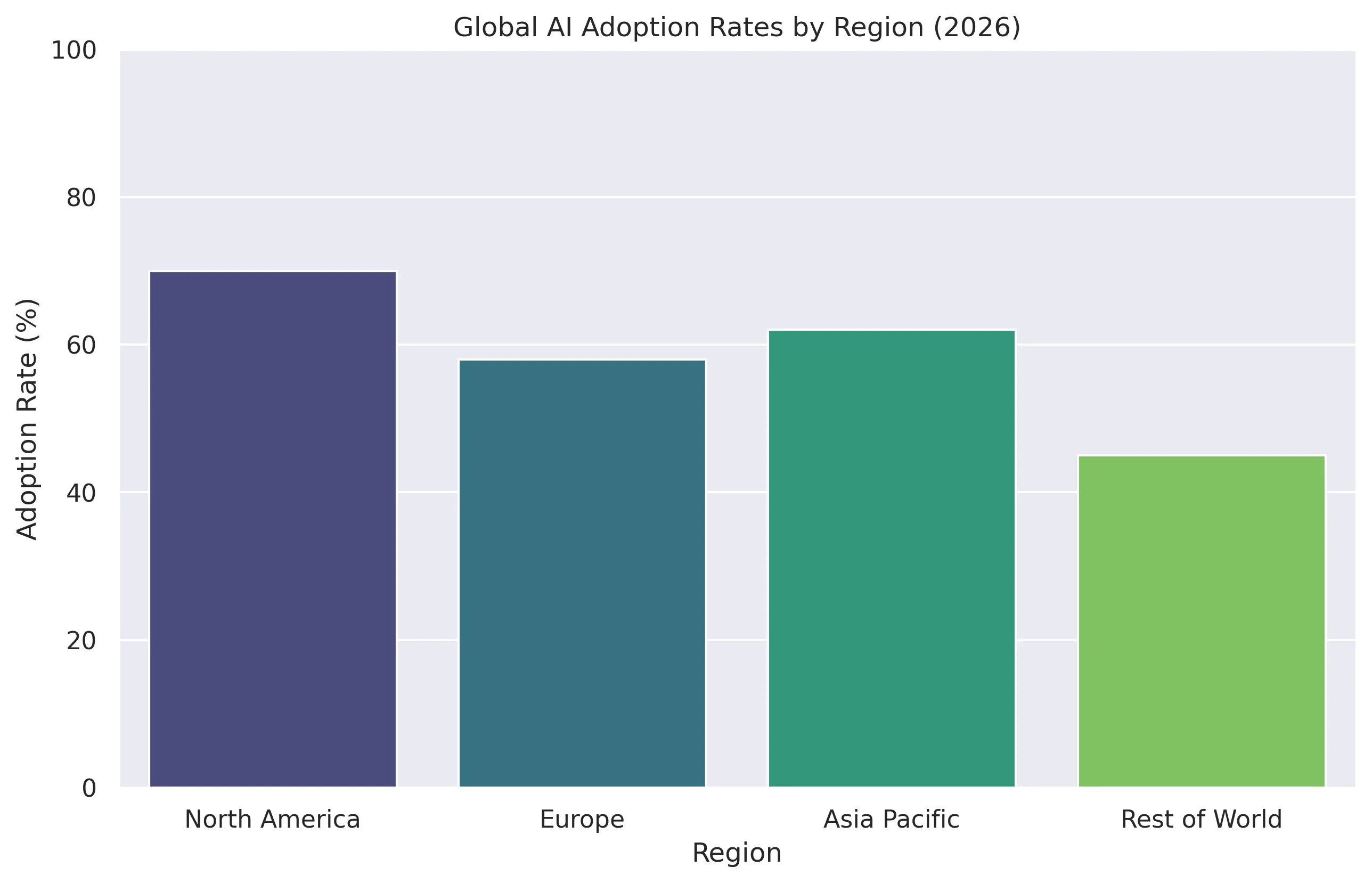
The adoption of agentic AI is accelerating at an unprecedented pace. According to recent industry reports, North America leads the charge, with 70% of enterprises actively using AI technologies, and a mere 3% stating they are not using AI at all [2]. This widespread adoption is driven by the tangible productivity gains these systems offer.
Business leaders are highly optimistic about the impact of AI on their operations. Current statistics indicate that 60% of business owners believe AI will significantly increase their productivity, and the technology is expected to improve overall employee productivity by up to 40% [3]. Furthermore, worker access to AI tools rose by a staggering 50% in 2025, setting the stage for the massive deployment of agentic systems we are witnessing today [4].
The Challenges of Real-World Deployment
Despite the rapid progress, deploying autonomous systems in the real world is not without its challenges. As these agents take on more complex, long-running tasks, they often encounter issues that require sophisticated handling. Common problems include tool execution failures, context drift over long sessions, hallucinated planning steps, and cascading reasoning errors [1].
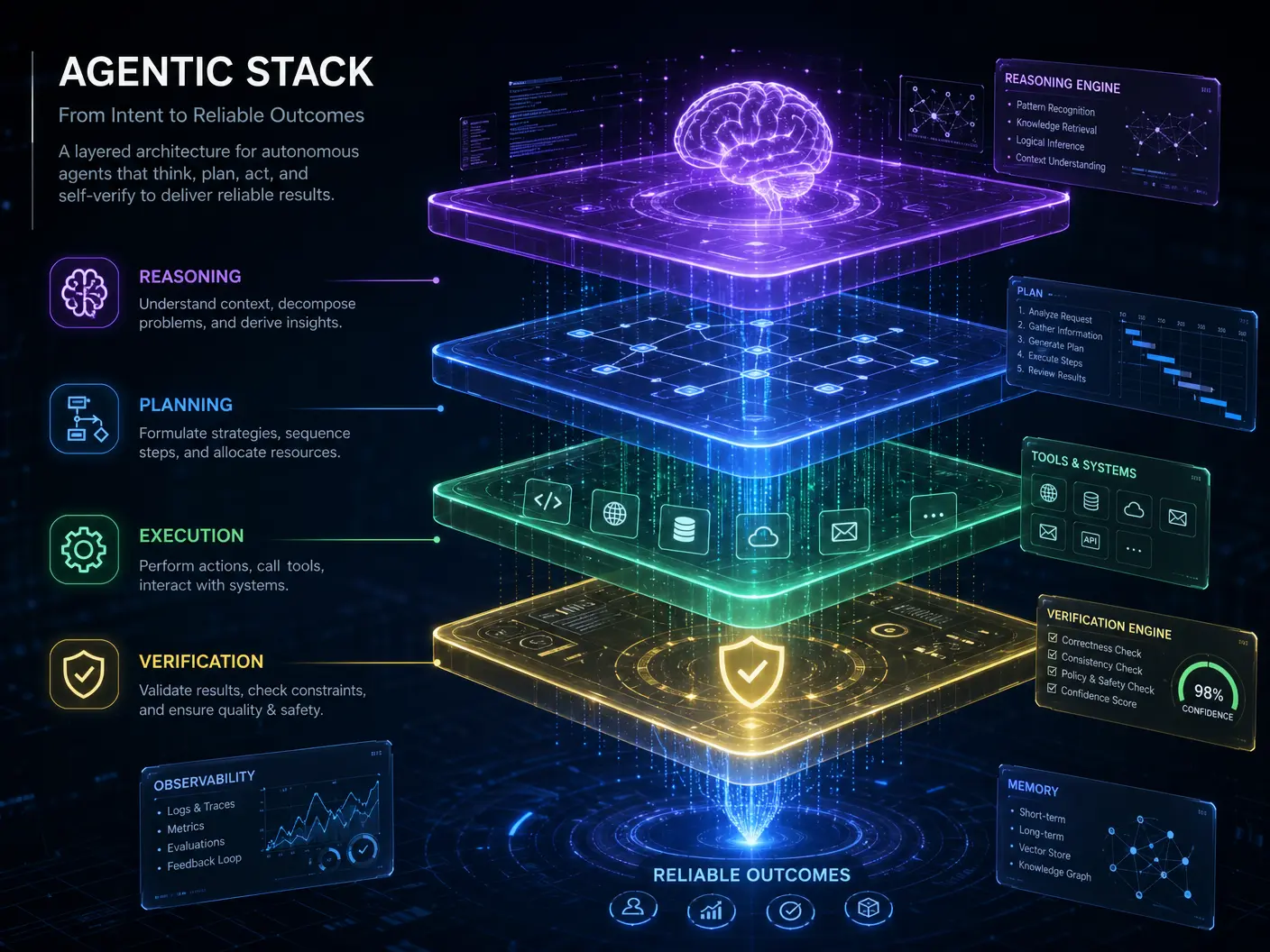
To mitigate these issues, the industry is developing a new "AI Stack" focused on reliability and observability. This stack includes robust retry logic, human approval checkpoints for critical actions, advanced memory management systems, and comprehensive runtime monitoring. Ensuring that these autonomous systems operate safely and predictably is the primary focus for AI engineers in 2026.
Conclusion
The rise of agentic execution systems is the defining AI trend of April 2026. By moving beyond simple chatbots and embracing multi-agent orchestration, we are unlocking unprecedented levels of automation and productivity. As these systems become more reliable and deeply integrated into enterprise workflows, they will fundamentally reshape how we work, create, and solve complex problems. The future belongs to those who can effectively direct and collaborate with these autonomous digital workers.
References
[1] Vishal Mysore. "The Biggest AI Trends and Tools Emerging in April 2026." Medium, April 2026.
[2] NVIDIA Blog. "How AI Is Driving Revenue, Cutting Costs and Boosting Productivity." March 2026.
[3] National University. "131 AI Statistics and Trends for 2026." March 2025.
[4] Deloitte US. "The State of AI in the Enterprise - 2026 AI report." 2026.
Ready to master AI?
Join 1,000+ professionals getting the edge in AI marketing. 3 minutes a day to 10x your growth.
Join Free NowKeep reading
AI Knowledge Graphs
Discover how AI-native knowledge systems and LLMWikis are revolutionizing information organization and retrieval in 2026, creating connected intelligence layers.
Malik Farooq/
Humanoid Robotics Reality
Witness the real-world deployment of humanoid robots in 2026, powered by Vision-Language-Action models. Explore their impact on industries and daily life.
Malik Farooq/
The Agentic AI Marketing Revolution
Learn the latest AI strategies to stay ahead in the marketing game.
Malik Farooq/
Back to archive
Share