- Malik Logix
- Posts
- Humanoid Robotics Reality
Humanoid Robotics Reality
Witness the real-world deployment of humanoid robots in 2026, powered by Vision-Language-Action models. Explore their impact on industries and daily life.

Malik Farooq
April 28, 2026
Sponsored by
Deep Dive
Humanoid Robotics Reality
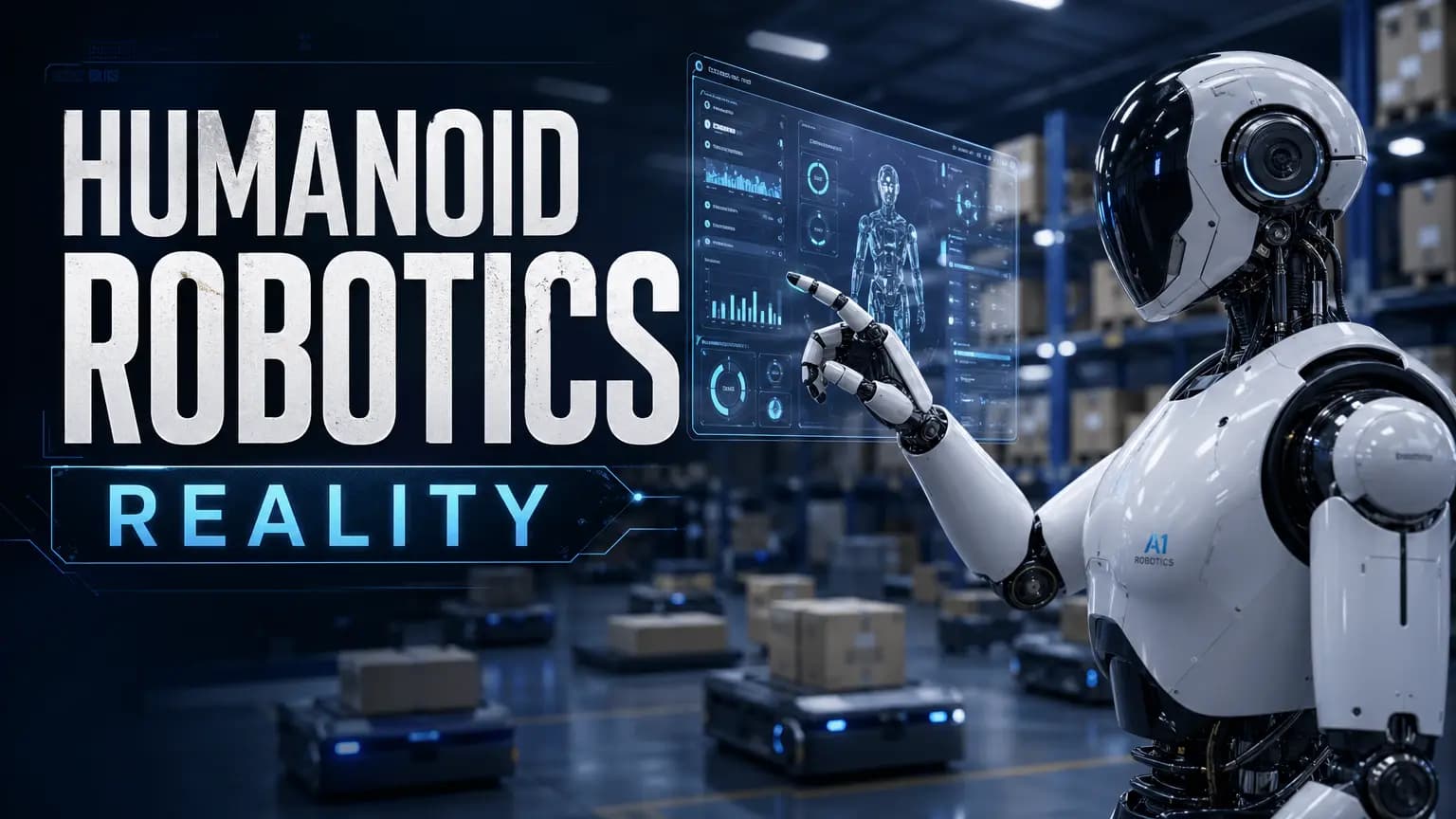
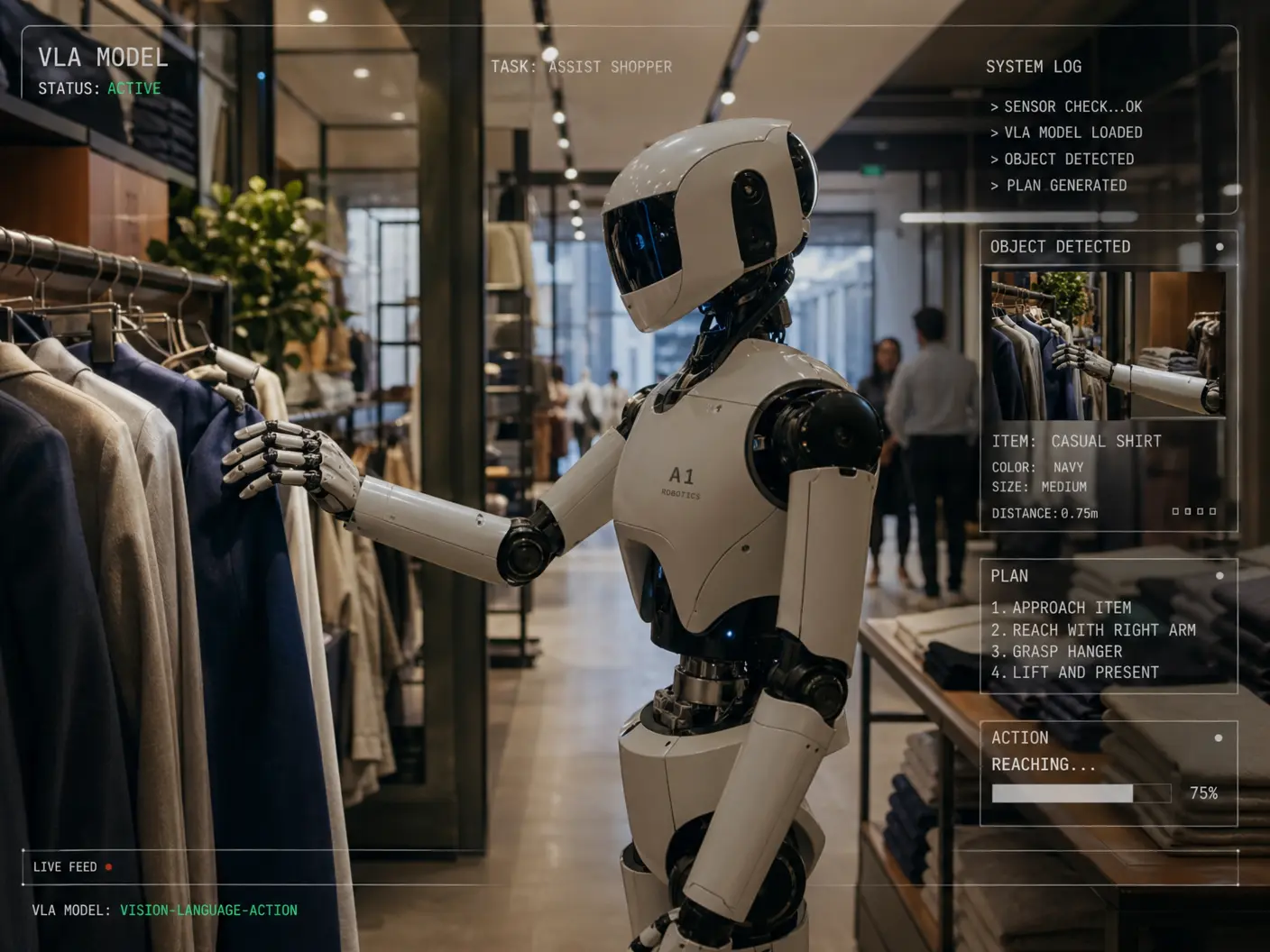
For decades, humanoid robots have been a staple of science fiction, promising a future where intelligent machines seamlessly integrate into our daily lives. In April 2026, that future is no longer a distant dream but a rapidly unfolding reality. We are witnessing the real-world deployment of humanoid robotics pilots across various industries, marking a significant leap from controlled laboratory environments to dynamic, unstructured settings. This monumental shift is largely driven by the convergence of advanced AI, sophisticated mechanics, and groundbreaking Vision-Language-Action (VLA) models.
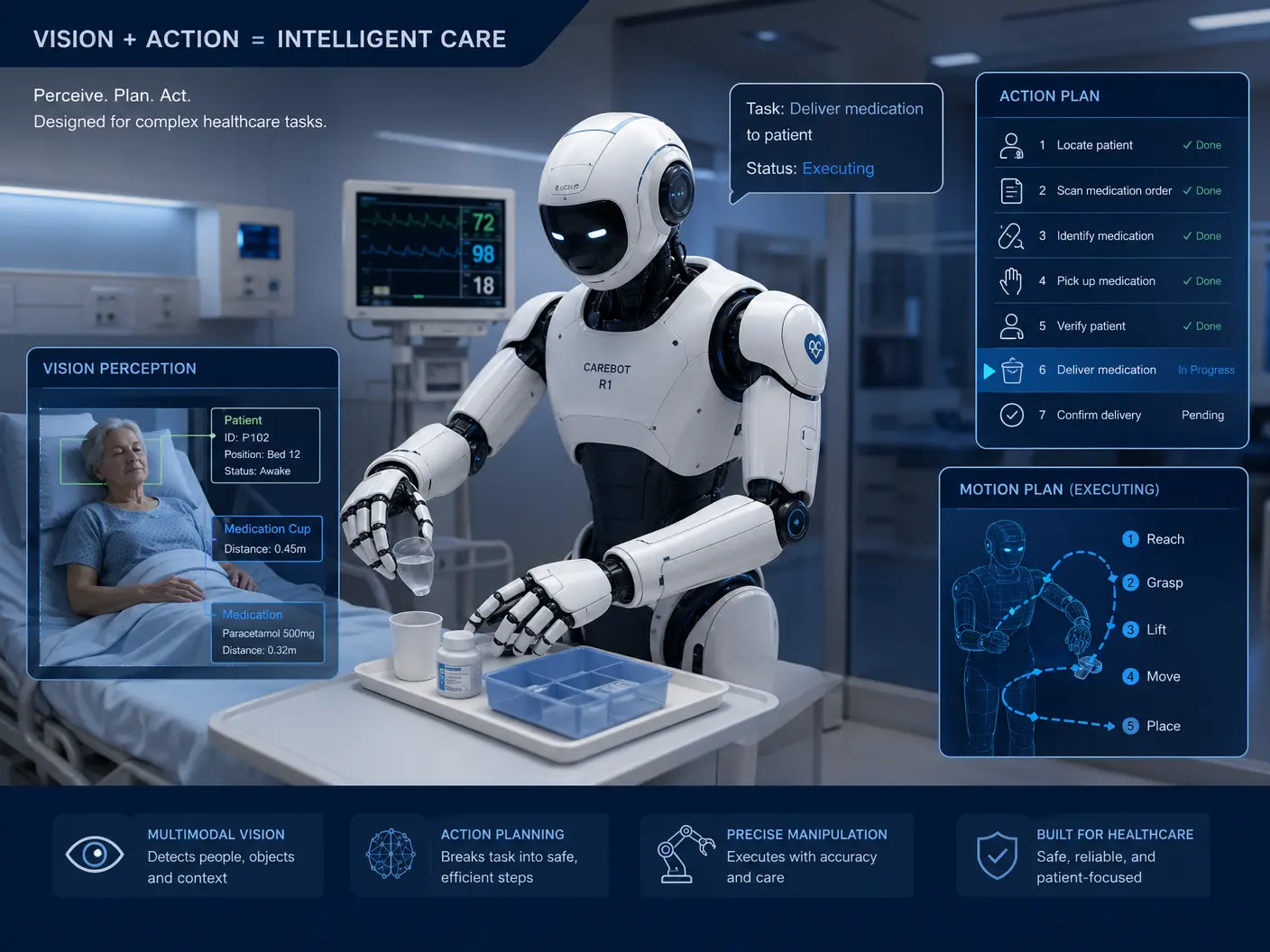
The implications of this development are vast, extending beyond industrial automation to reshape sectors like healthcare, logistics, and even home assistance. These aren't just sophisticated industrial arms; these are machines designed to perceive, understand, and interact with the world in ways that mimic human capabilities, opening up new frontiers for productivity and service.
From Factories to Unstructured Environments
Traditional robotics has long excelled in structured, repetitive tasks within controlled factory settings. However, the true challenge for robotics has always been operating effectively in the unpredictable, dynamic environments of the real world. Humanoid robots, powered by cutting-edge AI, are now overcoming this hurdle.
Modern robotics systems are increasingly combining several critical AI components:
- Vision Models: Enabling robots to interpret visual information, recognize objects, and understand spatial relationships with human-like precision.
- Language Models: Allowing robots to comprehend natural language commands, engage in meaningful dialogue, and process complex instructions.
- Action Planning Systems: Equipping robots with the ability to strategize and sequence physical actions to achieve goals, adapting to unforeseen circumstances.
- Reinforcement Learning: Providing robots with the capacity to learn from experience, refine their movements, and improve performance over time.
This powerful synergy, particularly the rise of VLA models, is what allows these humanoid robots to adapt to environments previously deemed too complex for automation. They are no longer confined to assembly lines but are beginning to operate effectively in warehouses, healthcare facilities, retail spaces, and even homes [1].
Impact on Productivity and Labor
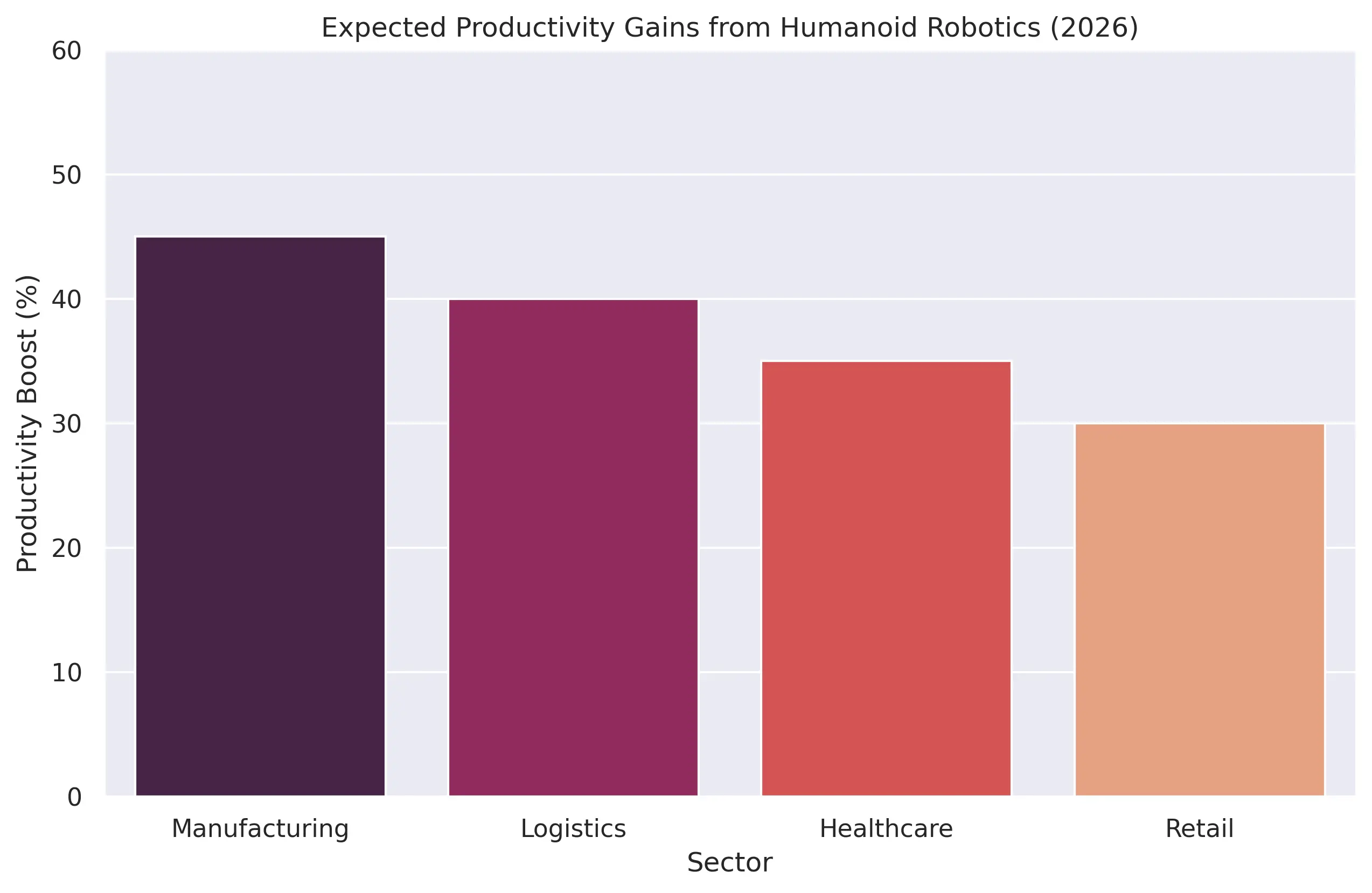
The deployment of humanoid robots is poised to deliver substantial productivity gains across the economy. While concerns about job displacement often arise, the immediate impact is largely seen in augmenting human capabilities and filling labor gaps in physically demanding or hazardous roles. AI, including advanced robotics, is broadly expected to improve overall employee productivity by 40% [3].
Furthermore, business owners are increasingly recognizing the potential of these technologies. A significant 60% of business owners believe AI will increase their productivity, a sentiment that extends to the integration of humanoid robots into their operations [3]. These robots can perform tasks that are repetitive, dangerous, or require continuous physical effort, freeing human workers to focus on more complex, creative, and strategic endeavors.
Ethical Considerations and Societal Integration
As humanoid robots become more prevalent, ethical considerations and societal integration become paramount. Questions surrounding safety, accountability, and the impact on human employment require careful consideration and proactive policy development. The goal is to ensure that these technologies serve humanity, enhancing our lives without compromising fundamental values.
Public perception and acceptance will also play a crucial role in the successful integration of humanoid robots. Education and transparent communication about their capabilities and limitations will be essential to foster trust and address anxieties. The journey towards a future shared with intelligent robots is not just a technological one, but a societal one.
The Road Ahead: Advanced Capabilities
The current generation of humanoid robots, while impressive, represents just the beginning. Future advancements will likely include:
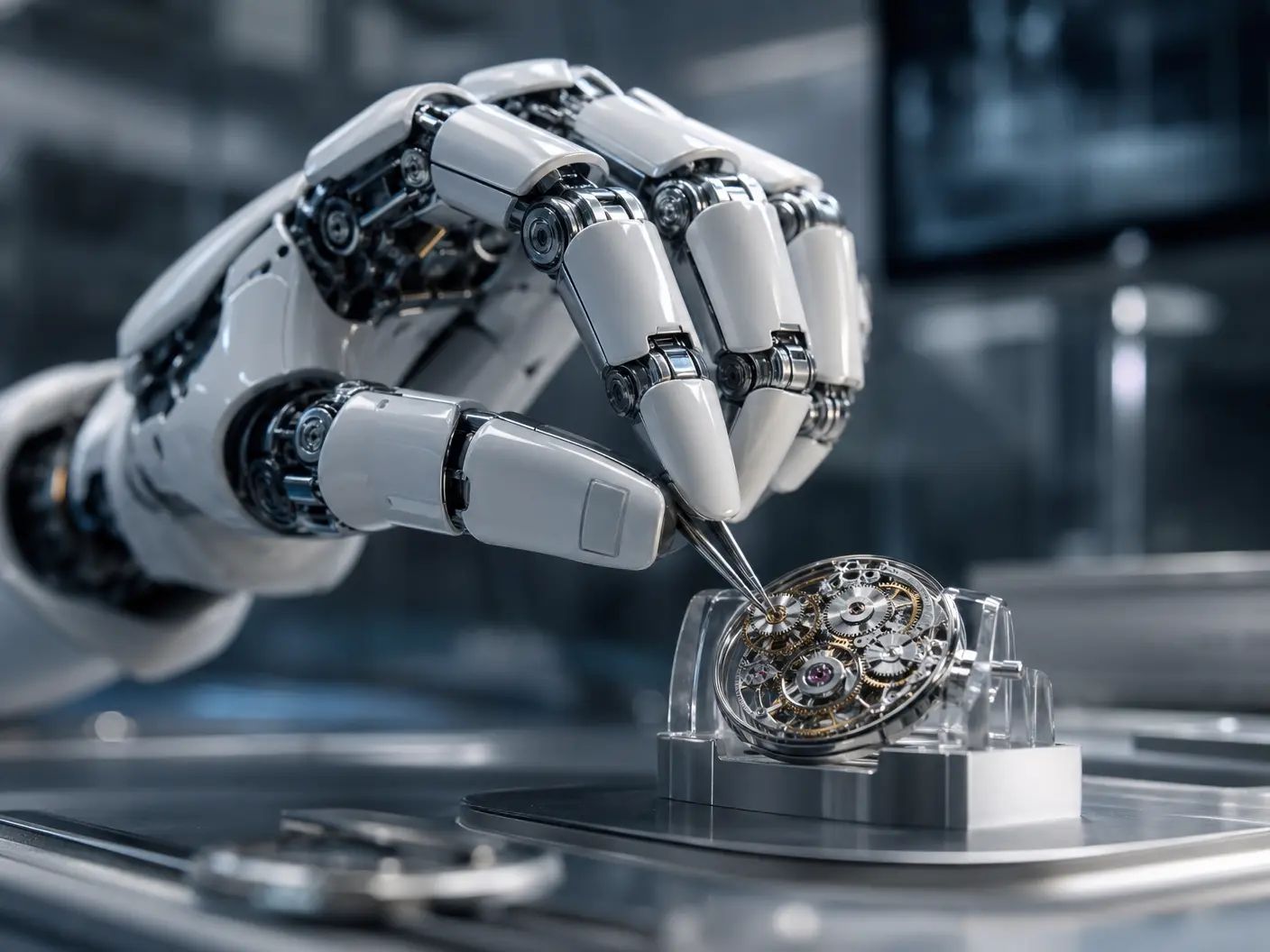
- Enhanced Dexterity and Manipulation: Enabling robots to handle delicate objects and perform intricate tasks with greater precision.
- Improved Social Interaction: Developing more nuanced understanding of human emotions and social cues for more natural interactions.
- Advanced Learning from Demonstration: Allowing robots to learn new skills more quickly and intuitively by observing human actions.
- Energy Efficiency: Extending operational times and reducing the environmental footprint of robotic systems.
These ongoing developments will further expand the range of applications for humanoid robots, making them even more versatile and indispensable across various sectors.
Conclusion
Humanoid Robotics Reality is no longer a futuristic concept but a tangible aspect of our present. In April 2026, these advanced machines, powered by sophisticated VLA models, are moving beyond controlled environments to tackle real-world challenges. While the journey involves both immense potential and significant considerations, the trajectory is clear: humanoid robots are set to redefine productivity, service, and our interaction with technology. The future is here, and it walks among us.
References
[1] Vishal Mysore. "The Biggest AI Trends and Tools Emerging in April 2026." Medium, April 2026.
[2] NVIDIA Blog. "How AI Is Driving Revenue, Cutting Costs and Boosting Productivity." March 2026.
[3] National University. "131 AI Statistics and Trends for 2026." March 2025.
[4] Deloitte US. "The State of AI in the Enterprise - 2026 AI report." 2026.
Ready to master AI?
Join 1,000+ professionals getting the edge in AI marketing. 3 minutes a day to 10x your growth.
Join Free NowKeep reading
AI Knowledge Graphs
Discover how AI-native knowledge systems and LLMWikis are revolutionizing information organization and retrieval in 2026, creating connected intelligence layers.
Malik Farooq/

Agentic Execution Rise
Discover how AI is moving from simple chatbots to autonomous agentic execution systems in 2026. Explore the multi-agent orchestration revolution.
Malik Farooq/
The Agentic AI Marketing Revolution
Learn the latest AI strategies to stay ahead in the marketing game.
Malik Farooq/
Back to archive
Share