AI Drug Discovery
The pharmaceutical industry, traditionally characterized by lengthy timelines, high costs, and a high rate of failure, is undergoing a profound transformation. In April 2026, Artificial Intelligence is no longer a supplementary tool but has firmly established itself as the core engine driving drug discovery and development. This paradigm shift is accelerating the identification of novel drug candidates, optimizing molecular design, and significantly reducing the time and resources required to bring life-saving therapies to patients.
AI's integration into biotech is a response to the escalating complexity of biological systems and the sheer volume of data generated by modern research. From genomics and proteomics to clinical trial data, the information landscape is too vast for human analysis alone. AI provides the computational power and pattern recognition capabilities necessary to navigate this complexity, unlocking insights that were previously unattainable.
From Supporting Role to Central Command
Historically, AI's role in drug discovery was often limited to specific, isolated tasks, such as analyzing images or predicting protein structures. While valuable, these applications did not fundamentally alter the core processes. Today, AI has moved from a supporting role to central command, influencing every stage of the drug discovery pipeline:
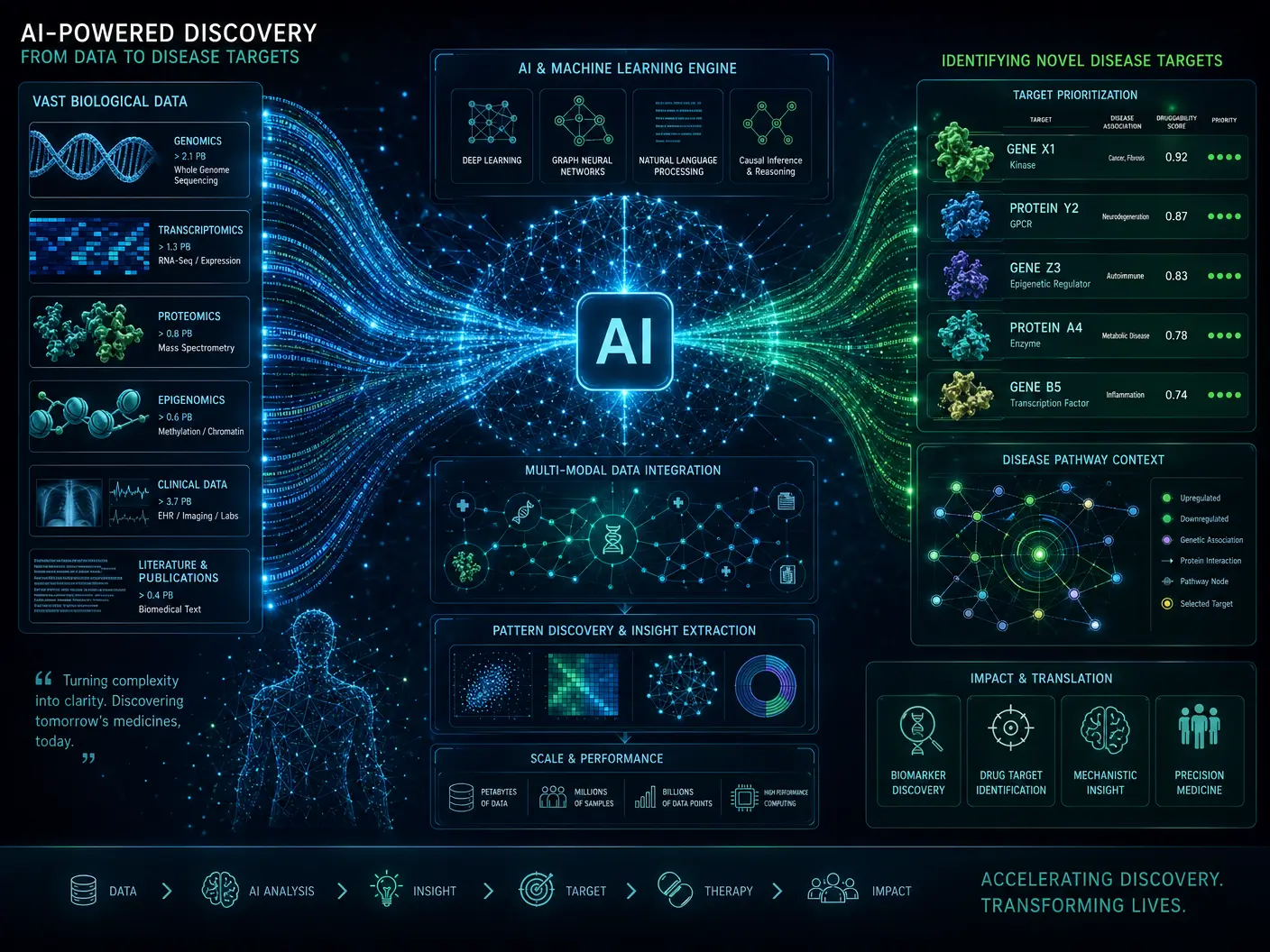
- Target Identification: AI algorithms can analyze vast biological datasets to identify novel disease targets with higher precision, predicting which genes or proteins are most likely to respond to therapeutic intervention.
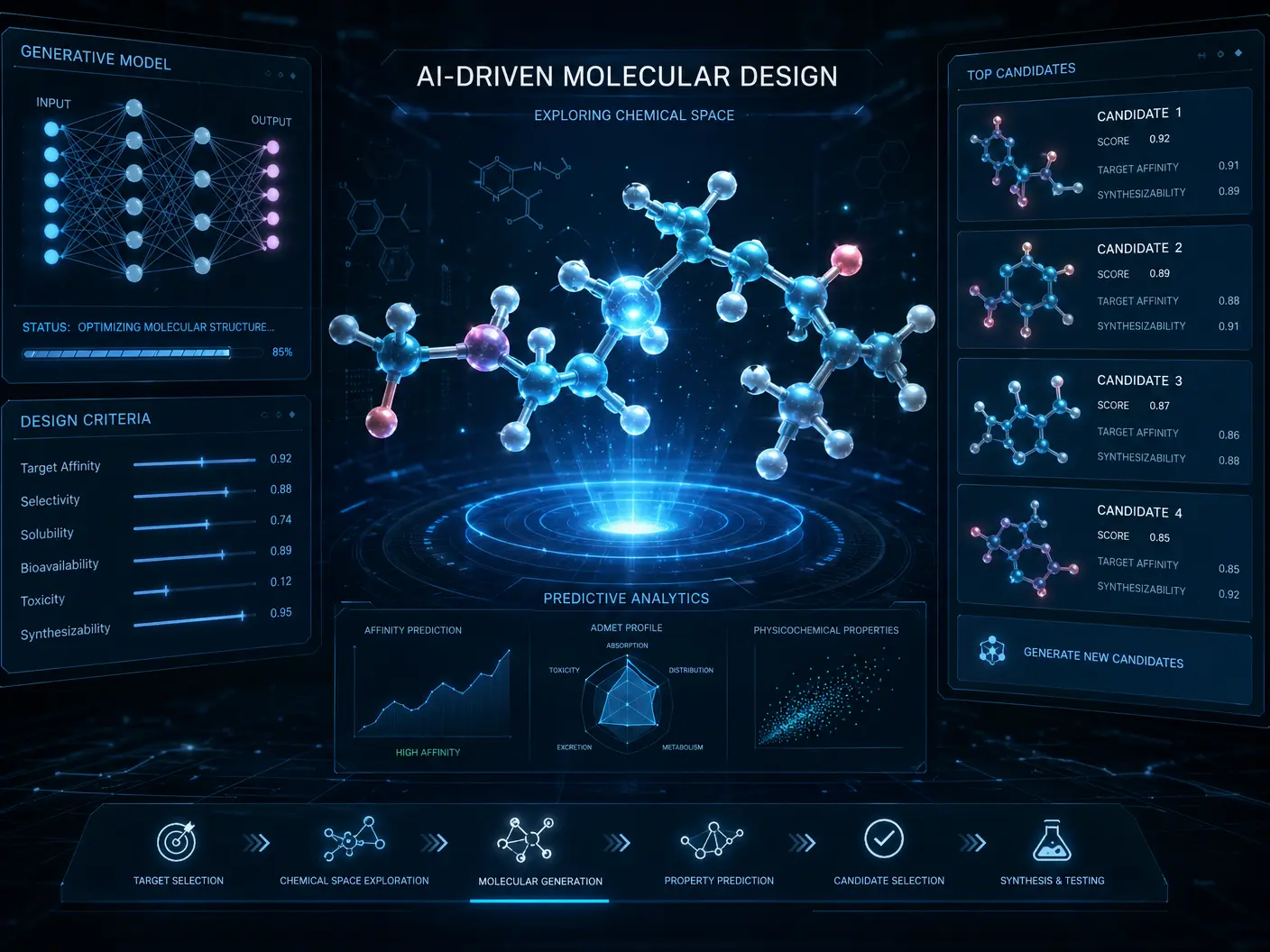
- Molecule Design and Synthesis: Generative AI models can design new molecules with desired properties from scratch, exploring chemical space far more efficiently than traditional methods. This includes predicting binding affinities, toxicity, and pharmacokinetic profiles.
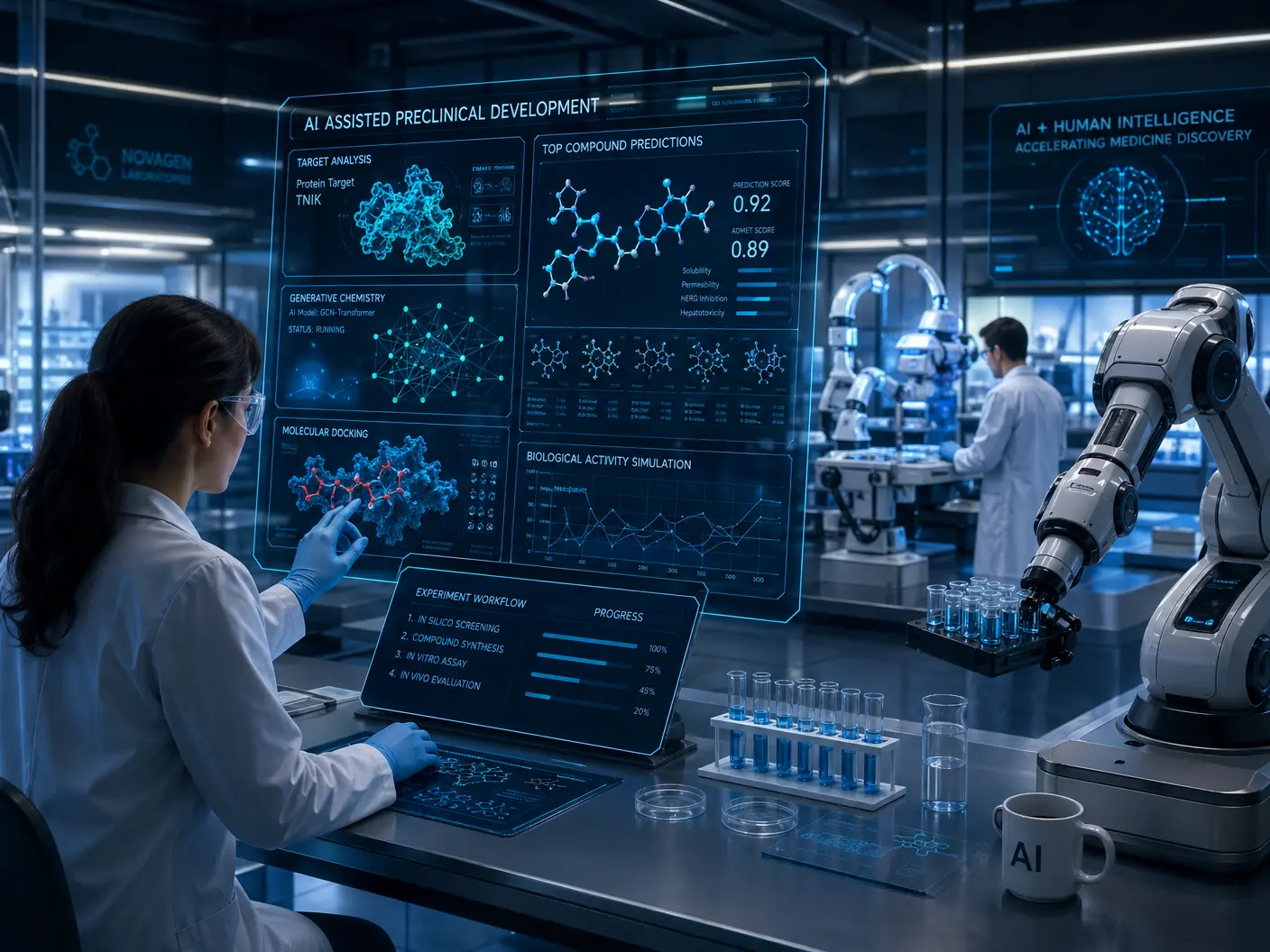
- Preclinical Development: AI assists in optimizing lead compounds, predicting their efficacy and safety, and even designing more efficient in vitro and in vivo experiments.
- Clinical Trials: AI helps in patient stratification, identifying ideal candidates for trials, and analyzing trial data to predict outcomes and identify potential adverse effects, thereby streamlining the entire clinical development process.
This comprehensive integration means that AI is now shaping how targets are chosen, how biology is understood, and how new medicines are brought to market [1].
The Economic and Strategic Imperative
The adoption of AI in drug discovery is not merely a scientific advancement; it is an economic and strategic imperative. The cost of developing a new drug can run into billions of dollars, with success rates often below 10%. AI promises to drastically improve these metrics. The industry has recognized this, with roughly 60% of biotech teams now opting to buy proven commercial AI solutions that scale, rather than building everything in-house [2]. This reflects a pragmatic approach to leveraging specialized AI expertise.
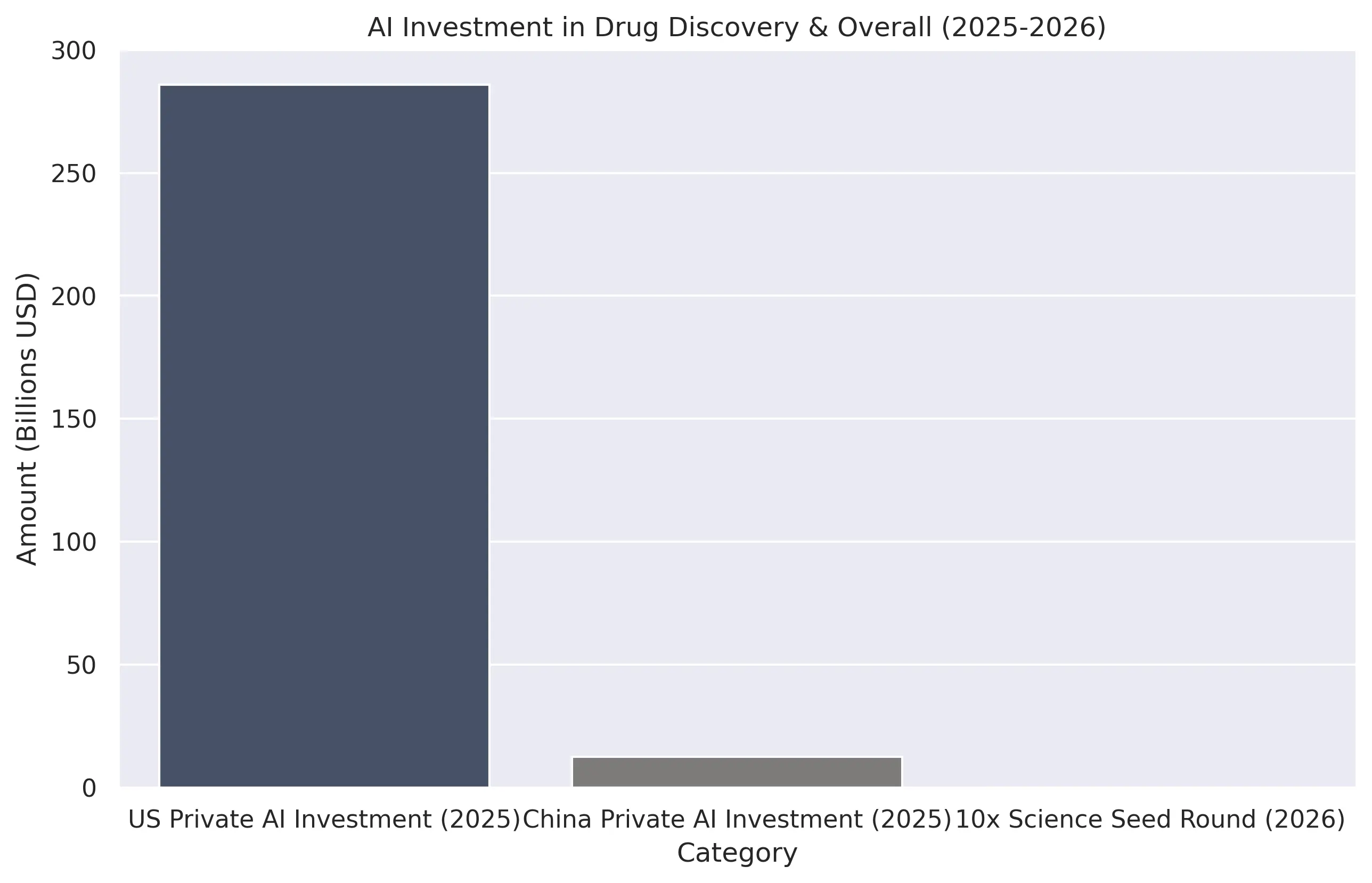
Investment in AI-driven drug discovery is also surging. For instance, 10x Science, a startup focused on helping pharmaceutical researchers understand complex molecules, successfully raised a $4.8 million seed round in April 2026 [3]. Such investments underscore the confidence in AI's ability to deliver tangible results and accelerate the pace of innovation.
Challenges and the Road Ahead
Despite the immense promise, the path to fully AI-driven drug discovery is not without its challenges. Data quality and interoperability remain critical hurdles. AI models are only as good as the data they are trained on, and integrating disparate datasets from various sources requires robust infrastructure and standardization efforts. Ethical considerations, particularly regarding data privacy and the responsible use of AI in healthcare, also demand careful attention.
However, the trajectory is clear. Future advancements will likely focus on:
- Multimodal Data Integration: Combining diverse data types (genomic, proteomic, imaging, clinical) to create more holistic patient and disease models.
- Explainable AI (XAI): Developing AI models whose predictions and recommendations can be easily understood and trusted by human scientists and clinicians.
- Automated Experimentation: Integrating AI with robotics to create closed-loop systems that can design, execute, and analyze experiments autonomously.
These developments will further solidify AI's role, making the drug discovery process more efficient, precise, and ultimately, more successful.
Conclusion
AI Drug Discovery is at the forefront of innovation in April 2026, transforming the biotech landscape. By moving beyond traditional methodologies and embracing AI at every stage of development, the industry is poised to deliver a new generation of therapies faster and more effectively than ever before. This shift represents not just a technological upgrade, but a fundamental redefinition of how we approach medicine, promising a healthier future for all. The era of AI-powered drug discovery is here, and its impact will be felt for generations to come.
References
[1] Drug Target Review. "2026: the year AI stops being optional in drug discovery." January 2026.
[2] Ardigen. "AI in Biotech: 2026 Drug Discovery Trends." 2026.
[3] TechCrunch. "AI is spitting out more potential drugs than ever. This startup wants to figure out which ones matter." April 2026.
[4] National University. "131 AI Statistics and Trends for 2026." March 2025.