AI Power Crisis
The Hidden Cost of Intelligent Machines
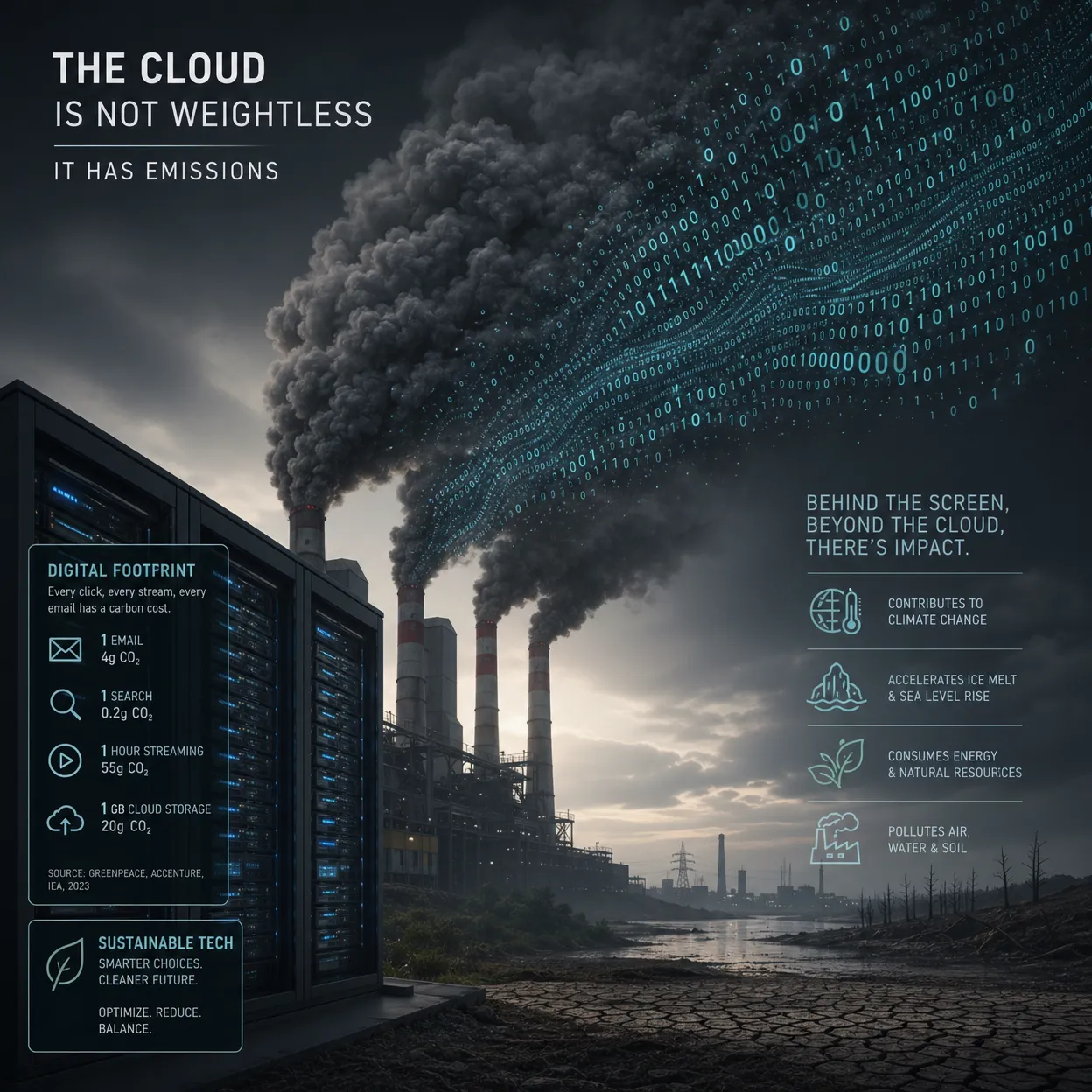
As artificial intelligence continues its relentless march of progress, a critical and often overlooked challenge is emerging: the immense environmental and energy demands of advanced AI models. The computational power required to train and operate these sophisticated systems is staggering, leading to a significant increase in energy consumption, carbon emissions, and even water usage. This "AI Power Crisis" necessitates a closer examination of the sustainability of our technological advancements and the broader societal implications.
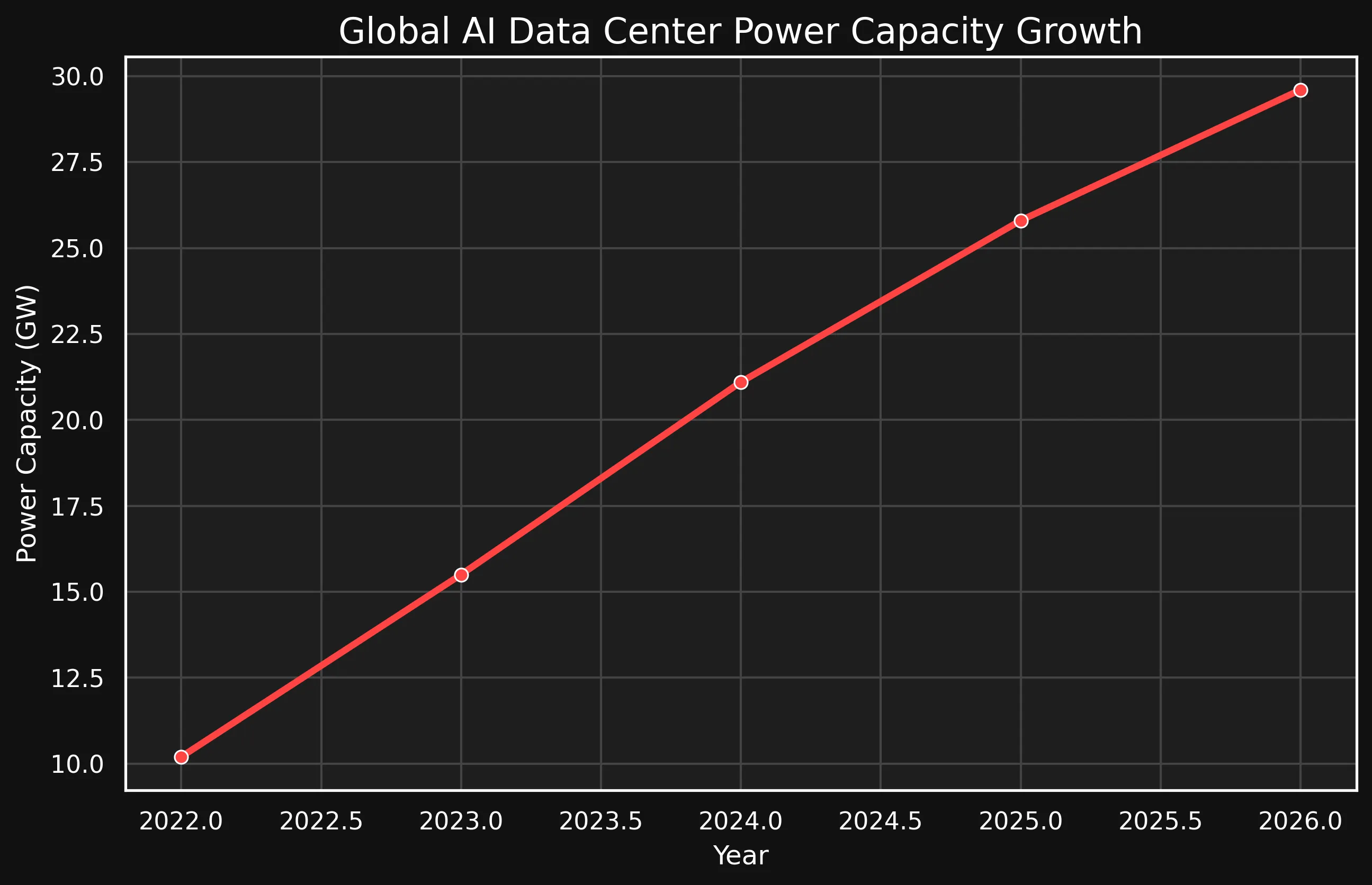
The scale of AI's environmental footprint is becoming increasingly apparent. Training a single frontier model, such as Grok-4, is estimated to generate 72,816 tons of CO2, an amount equivalent to the annual emissions of approximately 17,000 cars. This statistic alone highlights the substantial carbon footprint associated with cutting-edge AI development. Furthermore, the global AI data center power capacity is projected to reach an astounding 29.6 GW by 2026, a figure comparable to the peak electricity demand of an entire state like New York. The continuous growth in AI capabilities directly correlates with an escalating demand for energy, posing a significant challenge to global sustainability efforts.
Water, Workforce, and Public Trust
Beyond energy consumption, the environmental impact of AI extends to water resources. The cooling systems essential for maintaining optimal operating temperatures in massive AI data centers require vast quantities of water. For instance, the inference water usage of GPT-4o alone could potentially exceed the drinking water needs of 12 million people. This raises serious concerns about water scarcity and the responsible allocation of resources, particularly in regions already facing water stress.
The rapid advancement of AI also has profound implications for the workforce and public trust. While AI promises to enhance productivity and create new opportunities, there are growing anxieties about job displacement and the need for workforce adaptation. The 2026 AI Index report indicates that only 33% of Americans expect AI to improve their jobs, a figure lower than the global average. Moreover, the report suggests that AI-driven workforce disruption is disproportionately affecting younger workers first. This highlights the urgent need for proactive policies and educational initiatives to prepare the workforce for an AI-transformed economy.
Public trust in AI is another critical factor. Concerns about transparency, ethical considerations, and the potential for misuse of powerful AI models are prevalent. The development of AI must be guided by robust ethical frameworks and regulatory oversight to ensure that these technologies serve humanity's best interests and do not exacerbate existing societal inequalities. The
self-education wave, where individuals are actively seeking to understand and adapt to AI, is a positive sign, but it needs to be supported by clear guidelines and accessible resources.
Towards Sustainable AI: A Call to Action
The challenges posed by the AI Power Crisis are significant, but not insurmountable. Addressing them requires a concerted effort from researchers, developers, policymakers, and the public. Key areas of focus include:
- Energy Efficiency: Developing more energy-efficient AI algorithms and hardware, including specialized AI chips and optimized data center designs.
- Renewable Energy Integration: Powering AI data centers with renewable energy sources to minimize carbon emissions.
- Water Conservation: Implementing advanced cooling technologies and water recycling systems in data centers to reduce water consumption.
- Ethical AI Development: Prioritizing the development of AI models that are not only powerful but also environmentally responsible and socially equitable.
- Public Education and Policy: Fostering a deeper understanding of AI's impacts and developing comprehensive policies that guide its sustainable and ethical deployment.
The future of AI depends on our ability to balance innovation with responsibility. Ignoring the environmental and societal costs of AI development is no longer an option. By proactively addressing the AI Power Crisis, we can ensure that artificial intelligence remains a force for good, contributing to a sustainable and prosperous future for all.
Key Takeaways:
- Massive Energy Footprint: Training frontier AI models generates significant CO2 emissions, equivalent to thousands of cars annually.
- Soaring Power Demand: Global AI data center power capacity is projected to reach 29.6 GW by 2026, comparable to the peak demand of an entire state.
- Water Consumption Concerns: AI data centers require vast amounts of water for cooling, raising concerns about water scarcity.
- Societal Impact: Public trust in AI is mixed, and AI-driven workforce disruption is impacting younger workers, highlighting the need for ethical development and supportive policies.
The AI Power Crisis is a call to action for sustainable and responsible AI development. By prioritizing energy efficiency, renewable energy, water conservation, and ethical considerations, we can harness the transformative potential of AI while safeguarding our planet and society.
Author: Malik Farooq
Date: April 28, 2026