- Malik Logix
- Posts
- AI Policy Governance
AI Policy Governance
Explore the global push for AI regulation and governance frameworks in 2026, addressing safety, ethics, and societal impact.

Malik Farooq
April 29, 2026
Sponsored by
Deep Dive
AI Policy Governance
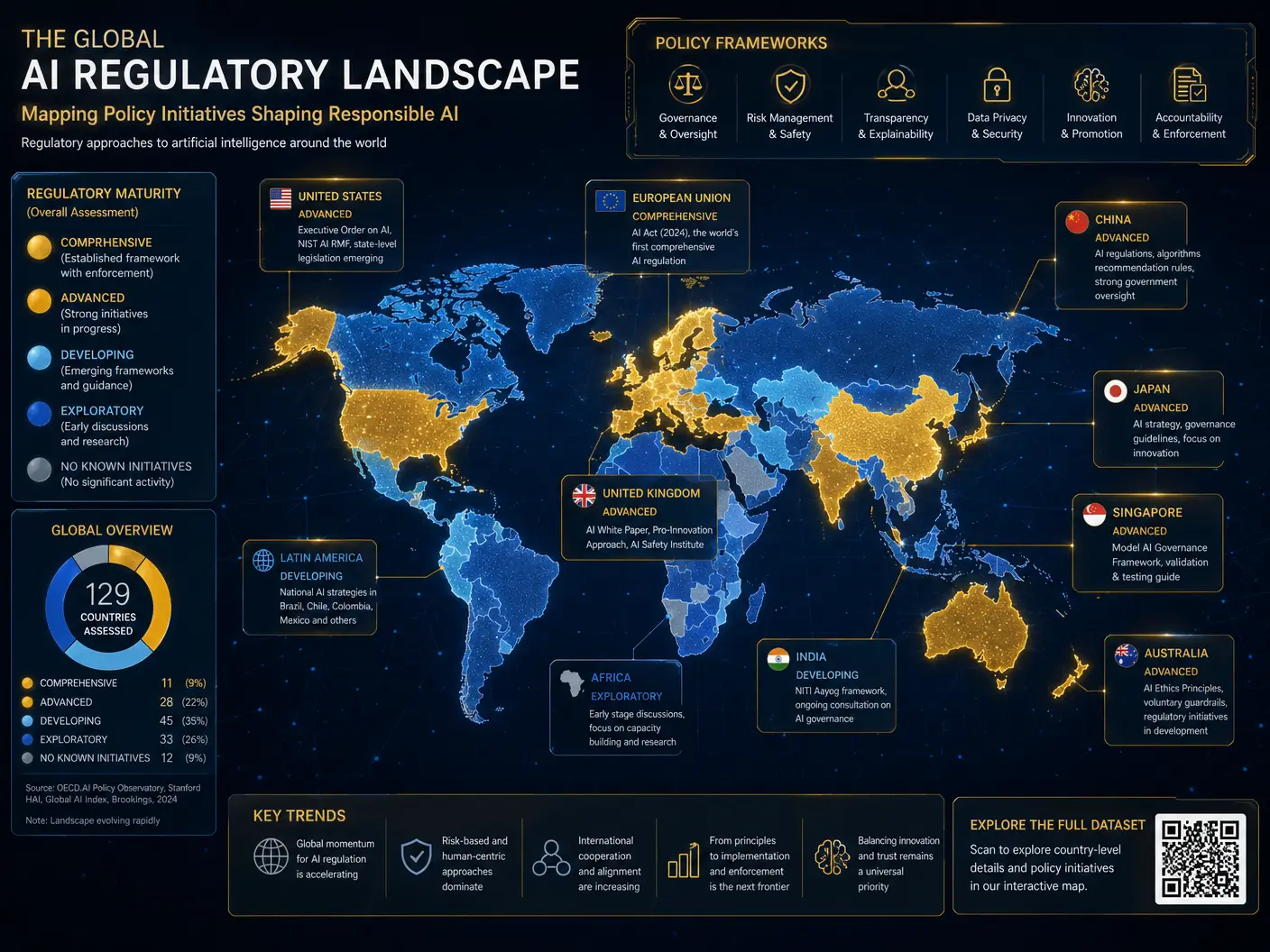
The Global Regulatory Landscape
- AI Safety: Establishing standards and protocols to prevent AI systems from causing unintended harm, including issues like autonomous weapon systems and critical infrastructure control.
- Data Privacy: Protecting personal data used by AI systems, ensuring transparency in data collection, usage, and algorithmic decision-making.
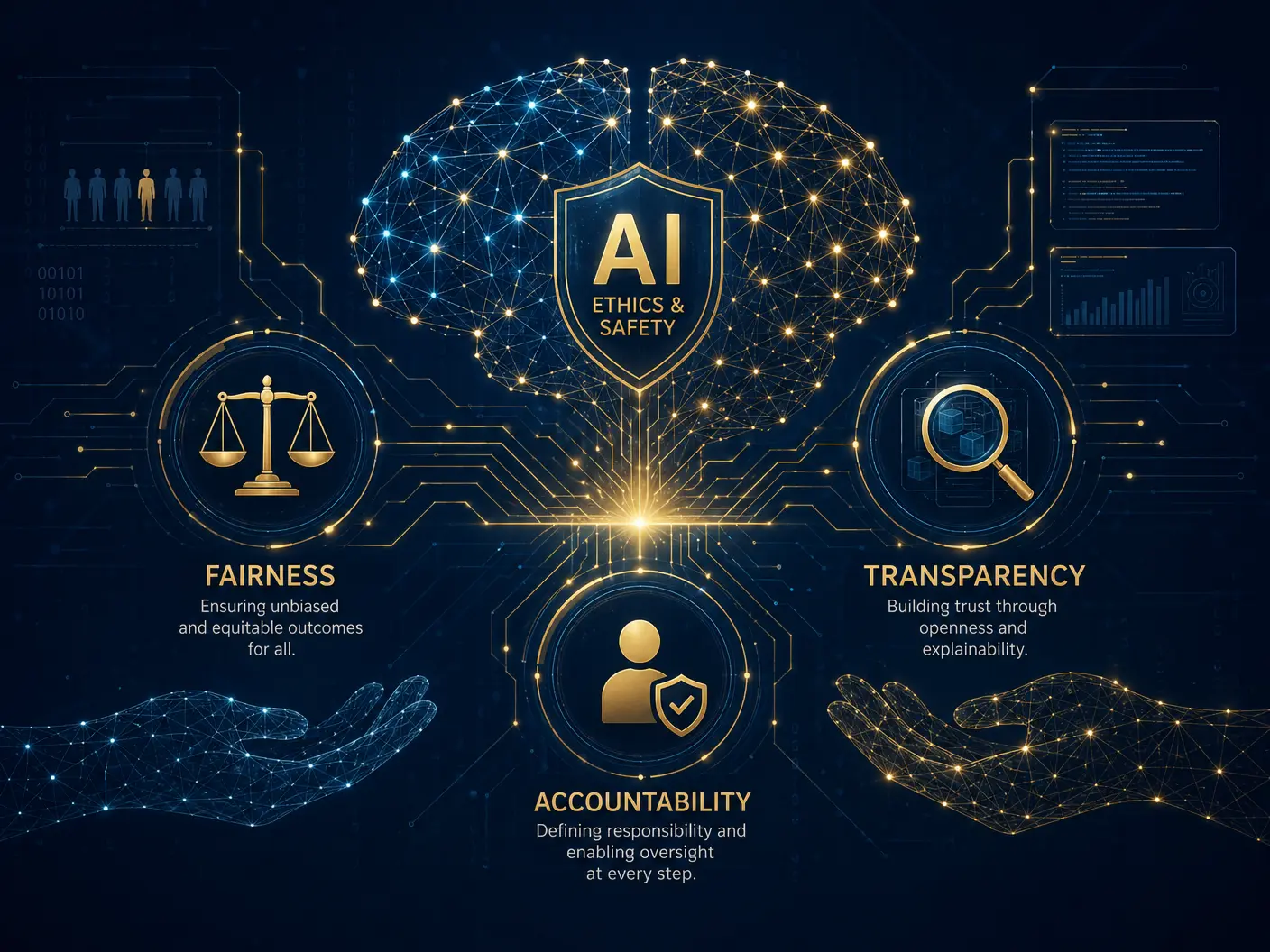
- Bias and Fairness: Developing mechanisms to identify and mitigate algorithmic bias, ensuring equitable outcomes for all individuals.
- Accountability and Liability: Defining who is responsible when AI systems make errors or cause harm.
- Transparency and Explainability: Requiring AI systems to be understandable and their decisions justifiable, particularly in high-stakes applications.
Investment and Geopolitical Dynamics
Challenges in Implementation
- Pace of Innovation: AI technology evolves at an incredibly rapid rate, often making regulations obsolete before they are fully implemented.
- Global Harmonization: Achieving consensus on international AI standards is difficult due to differing national interests, values, and legal traditions.
- Technical Complexity: Regulators often lack the deep technical expertise required to understand the nuances of AI systems and design effective controls.
- Balancing Innovation and Regulation: Overly restrictive regulations could stifle innovation, while insufficient oversight could lead to significant risks.
The Future of Responsible AI

- International Cooperation: Increased collaboration between nations to develop common principles and standards for AI.
- Multi-stakeholder Engagement: Greater involvement of industry, academia, civil society, and the public in shaping AI policy.
- Ethical AI by Design: Integrating ethical considerations and safety features into the very design and development of AI systems.
- Auditing and Certification: Development of independent auditing and certification processes for AI systems to ensure compliance with ethical and safety standards.
Conclusion
References
Ready to master AI?
Join 1,000+ professionals getting the edge in AI marketing. 3 minutes a day to 10x your growth.
Join Free NowKeep reading
Agents Take Lead
Explore the rapid rise of autonomous AI agents, their impact on various industries, and the future of human-AI collaboration. Featuring insights from the 2026 AI Index report.

AI Dollars Surge
An in-depth look at the escalating global investment in AI, the fierce competition between major economic powers, and the financial implications of the AI revolution.
AI Power Crisis
Examining the environmental and energy demands of advanced AI models, their carbon footprint, water consumption, and the broader societal implications of this technological growth.