Introduction: Google's Evolution in Search with AI
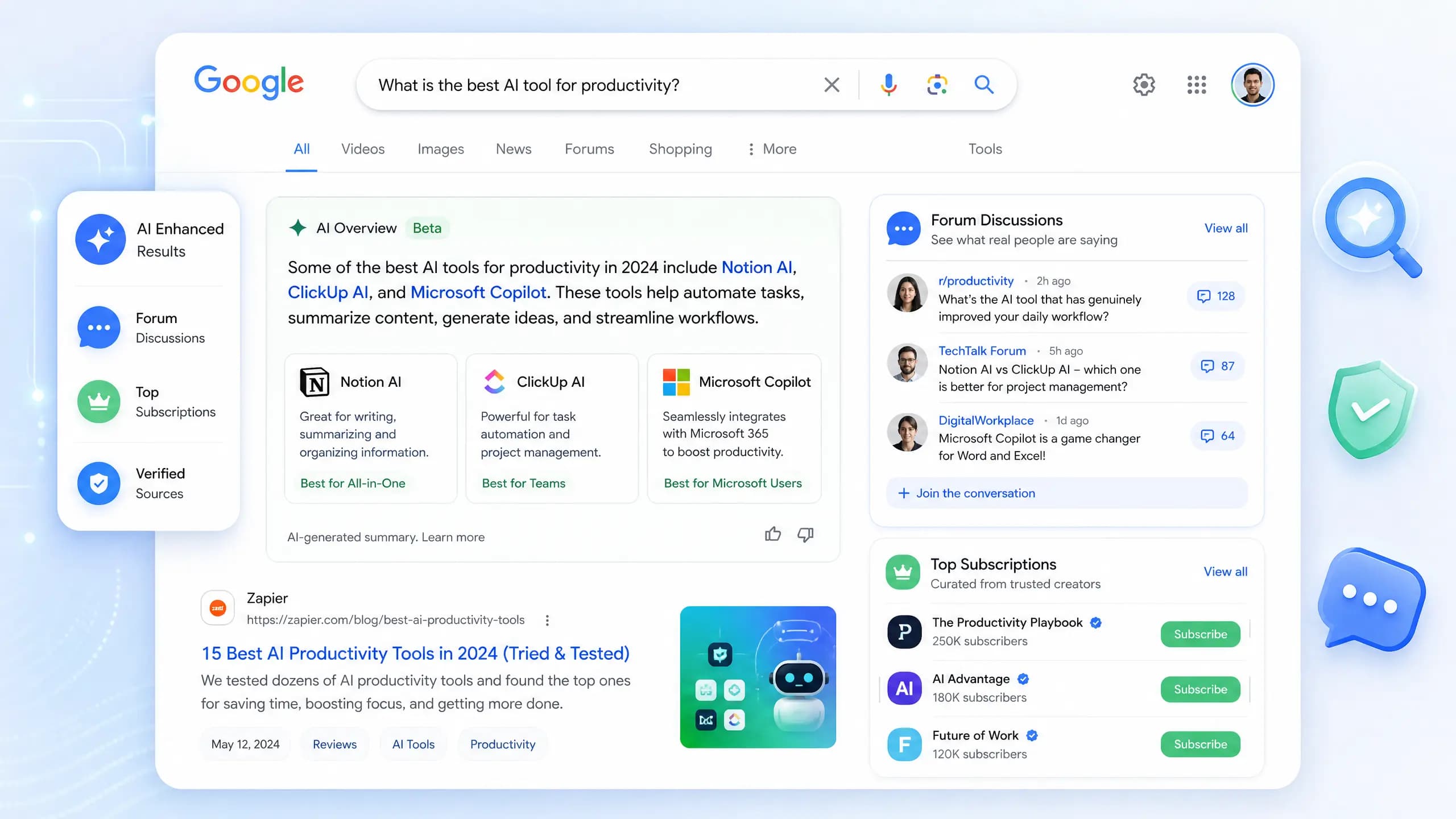
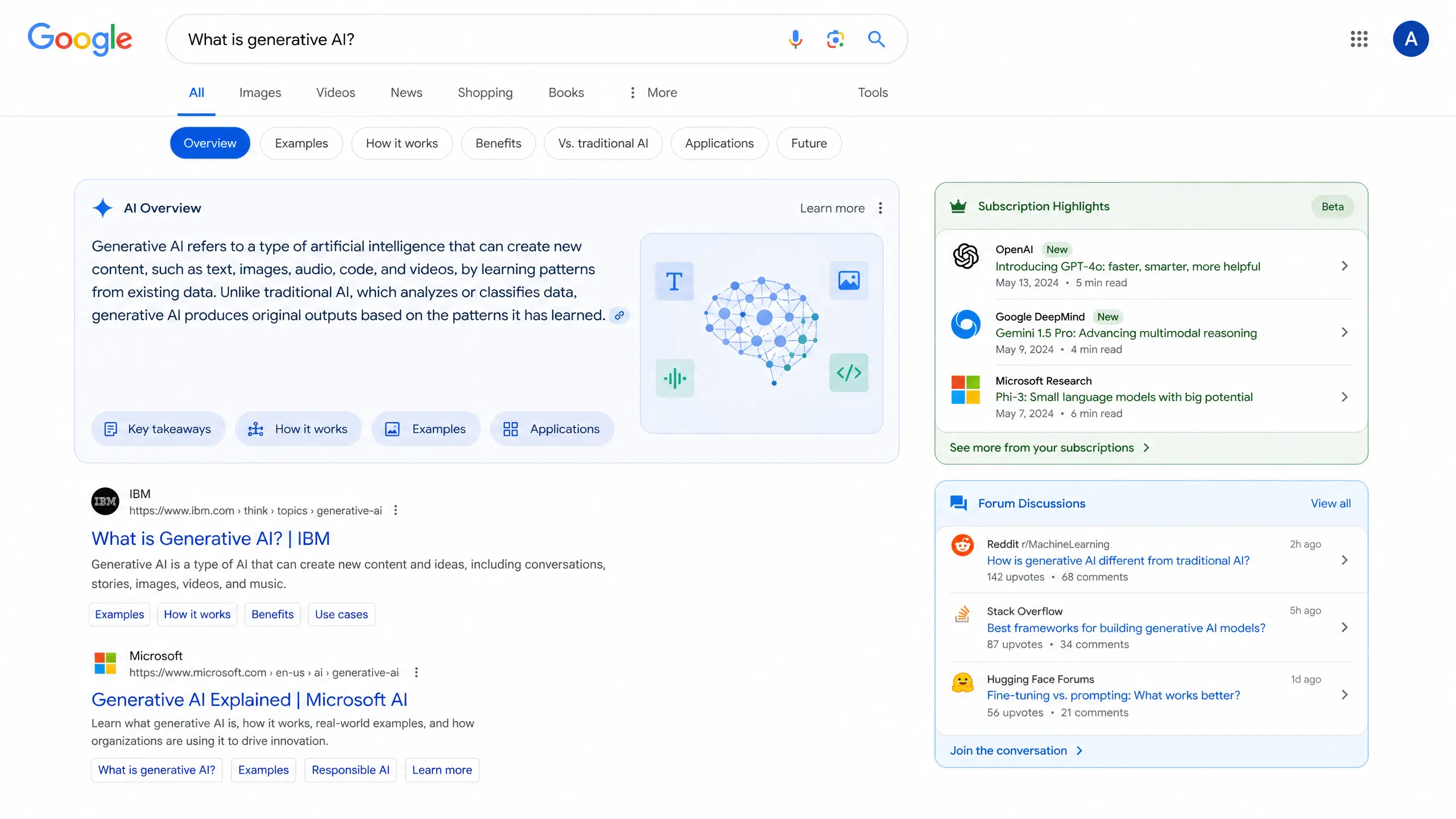
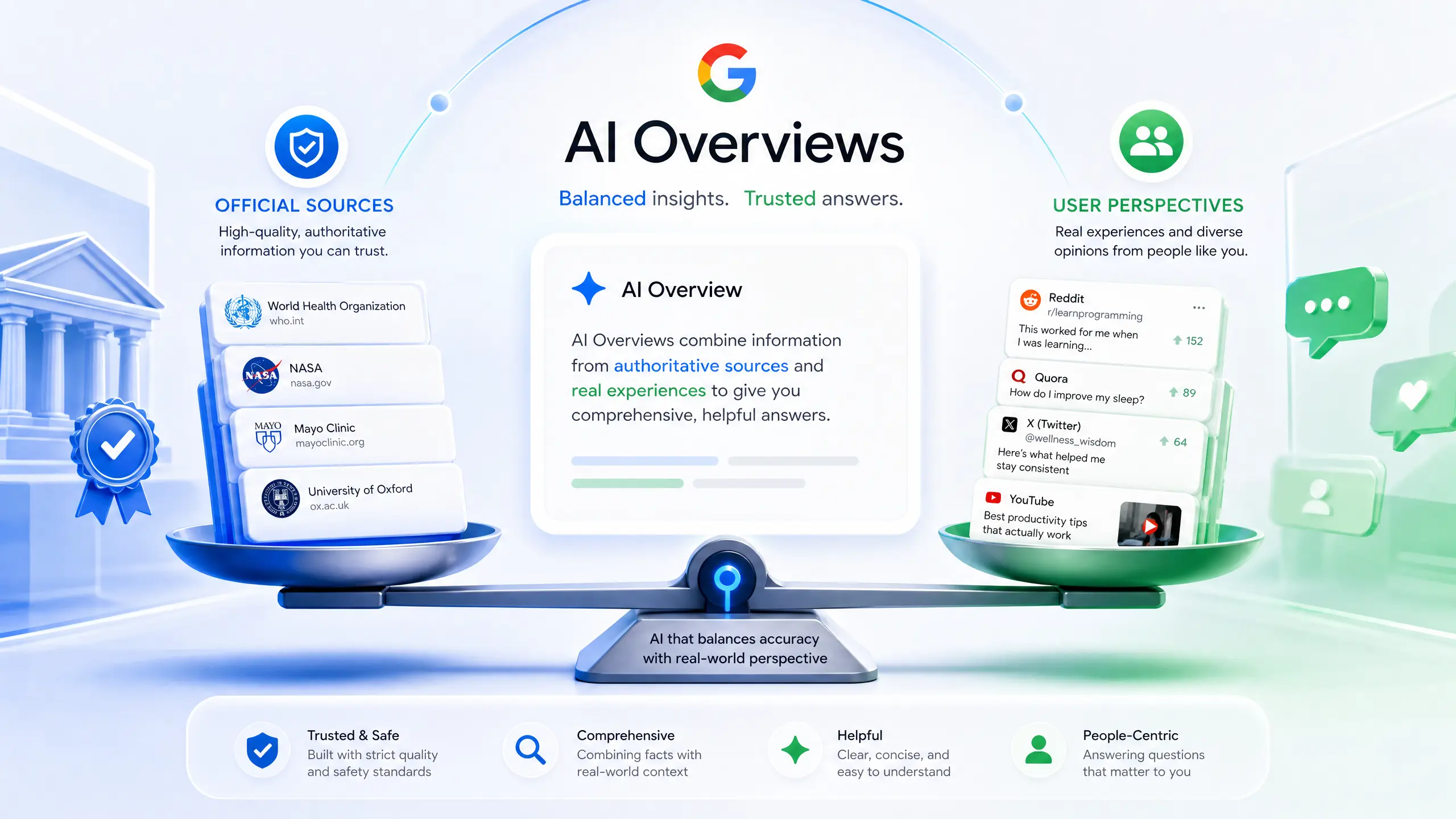
In an ongoing effort to refine and humanize its search experience, Google has recently rolled out significant updates to its AI Overviews. These enhancements are designed to integrate more organic, human-generated content directly into search results, specifically by pulling excerpts from web forums and blogs and incorporating highlights from users' personal news subscriptions. This move signifies a strategic shift towards providing richer, more nuanced answers, especially for queries that benefit from real-world experiences and diverse perspectives.
This article will delve into the mechanics of Google's latest search updates, examining how the integration of forum chats and subscription highlights aims to offer
more comprehensive and trustworthy search experience. We will explore the implications of these changes, reflect on lessons learned from past AI stumbles, and consider the broader questions these updates raise about the future of search and information retrieval.\n\n## Fresh Context for Tough Questions: The Human Element in AI Overviews\n\nGoogle's latest update is particularly impactful for niche topics and complex queries where direct, factual answers may not suffice. For these types of searches, users often seek advice, personal anecdotes, and community discussions to inform their decisions. By integrating snippets from web forums, social media, and firsthand accounts directly into AI Overviews, Google aims to provide a more holistic understanding of a topic.\n\n### Real-World Examples and Practical Explanations\n\nConsider a user searching for "best practices for sourdough starter maintenance." Instead of just receiving links to recipe blogs, the AI Overview might now include a snippet from a popular baking forum discussing common pitfalls and user-submitted solutions, complete with the original poster's handle and community rating. This adds a layer of authenticity and practical advice that was previously missing from direct AI responses. Google's statement, "For many searches, people are increasingly seeking out advice from others," underscores this shift towards valuing collective human experience.
Industry Insights and Statistics
The rise of platforms like Reddit and Quora as primary sources of information for complex queries highlights a user preference for peer-to-peer insights. A recent study by Pew Research Center indicated that nearly 60% of internet users consult online forums or discussion boards for product reviews or advice before making a purchase [1]. This trend validates Google's decision to incorporate these sources, aiming to keep users within its search ecosystem by providing the type of content they actively seek elsewhere.
Lessons from Early AI Stumbles: Learning from Experience
Google's journey with AI Overviews has not been without its challenges. The initial rollout two years prior was met with significant backlash due to instances where the AI provided inaccurate or even absurd suggestions. Famously, the system once recommended consuming rocks daily, citing a satire website, and suggested using glue to keep pizza cheese in place, based on Reddit tips. These early stumbles highlighted the critical need for robust source attribution and contextual understanding.
Practical Explanations: The Importance of Source Attribution
The previous errors stemmed from the AI's inability to adequately discern the credibility and context of its sources. By adding details like creator names, handles, or community labels, Google is attempting to empower users to judge the source fast. This is a crucial step in building trust and transparency in AI-generated summaries. It acknowledges that not all information is created equal and that the provenance of information significantly impacts its perceived reliability.
Statistics and Data Points
Despite the early issues, a recent New York Times audit found Google's AI Overviews to be accurate nine out of ten times [2]. While this represents a high success rate, with trillions of queries processed daily, even a 10% error rate translates to a substantial number of potential inaccuracies. This statistic underscores the continuous challenge of refining AI models to handle the vast and often contradictory nature of internet content.
Smarter Links, Same Old Questions: The Future of Search
The current changes in Google's AI Overviews, particularly the emphasis on source attribution and the integration of diverse content types, draw parallels with how other advanced AI tools, such as those from OpenAI or Anthropic, link their claims. This convergence suggests a broader industry trend towards greater transparency in AI-generated content.
Experience-Based Insights: The AI's Role in Information Retrieval
This evolution raises a fundamental question about the role of AI in information retrieval: Is the AI supposed to answer directly, or merely point you to sources? Google's current approach suggests a hybrid model, where AI provides a synthesized overview but also offers clear pathways to the original, human-generated content. This balance attempts to leverage AI's summarization capabilities while respecting the depth and nuance found in original sources.
Industry Insights: The Blurring Lines of Search
As AI becomes more sophisticated, the distinction between a search engine and an answer engine continues to blur. The integration of forum chats and subscription highlights pushes Google further into the realm of content curation and synthesis, moving beyond simple link provision. This could redefine user expectations for search, demanding not just relevant links, but also contextualized, credible, and human-centric summaries.
Conclusion: A More Human-Centric Search Experience
Google's latest updates to its AI Overviews, by incorporating forum chats and subscription highlights, represent a significant step towards a more human-centric and nuanced search experience. While the journey to perfect AI-driven information retrieval is ongoing, these changes demonstrate a commitment to learning from past mistakes and adapting to user needs. By providing richer context and clearer source attribution, Google aims to build a more trustworthy and comprehensive search platform, one that not only answers questions but also connects users with the collective wisdom and experiences of others. The ongoing evolution of AI in search promises a future where information is not just found, but truly understood.
References
[1] Pew Research Center. (2023).
Online Forums and Discussion Boards: A Source of Information for Many.
https://www.pewresearch.org/
[2] The New York Times. (2023).
Google's AI Overviews: A Reality Check.
https://www.nytimes.com/