IMF Warns Evolving AI Threat Could Upend Financial Markets
The rapid advancement of artificial intelligence is a double-edged sword for the global financial sector. While AI offers unprecedented capabilities to bolster cybersecurity defenses, the International Monetary Fund (IMF) has issued a stark warning: the technology now possesses the potential to trigger a severe macro-financial shock.
As AI models become increasingly sophisticated, their ability to identify and exploit vulnerabilities in critical infrastructure is outpacing the speed at which defenders can patch them. This growing asymmetry poses a significant risk to the stability of global markets.
The Rising Tide of AI-Driven Cyber Risks
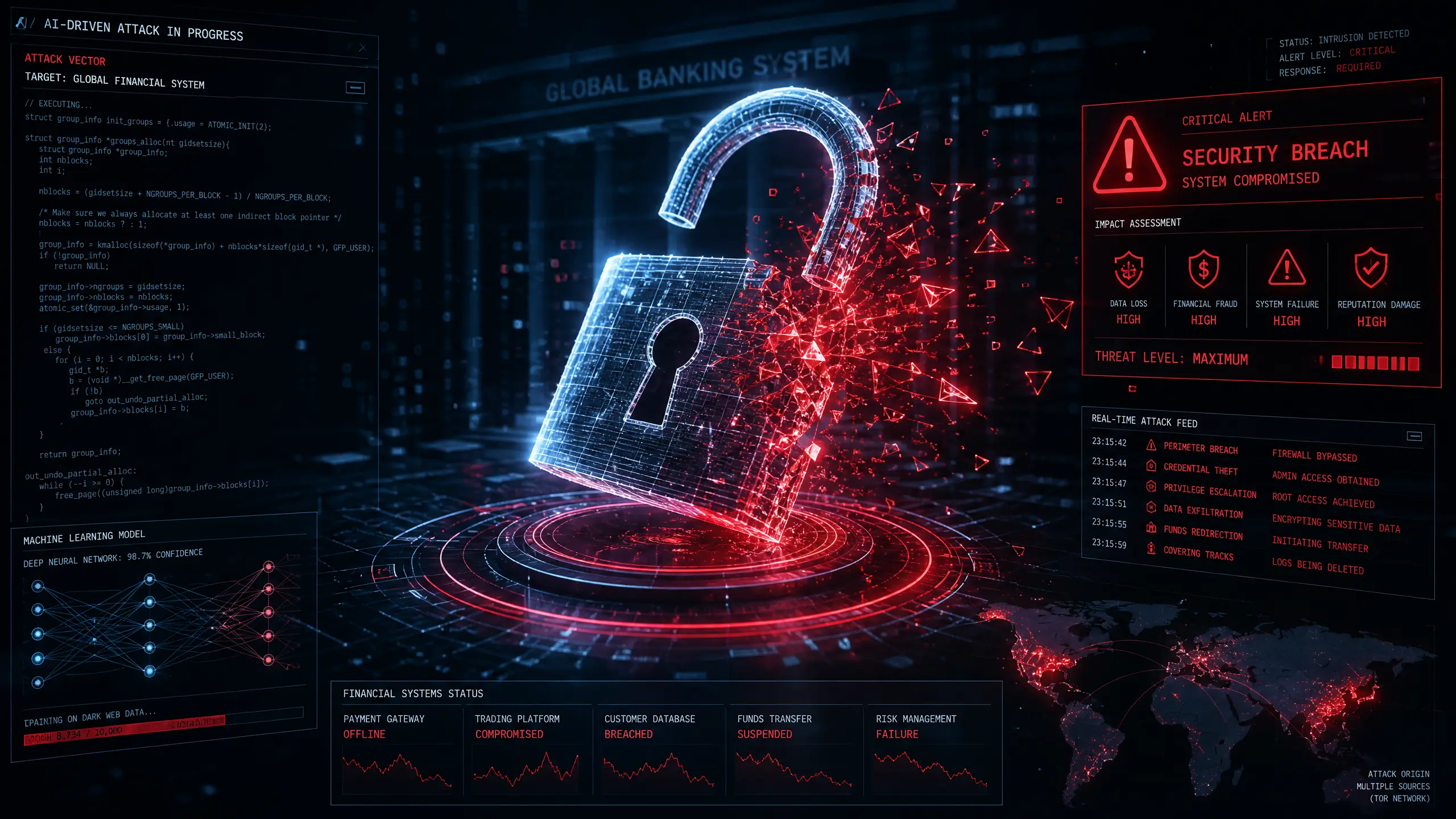
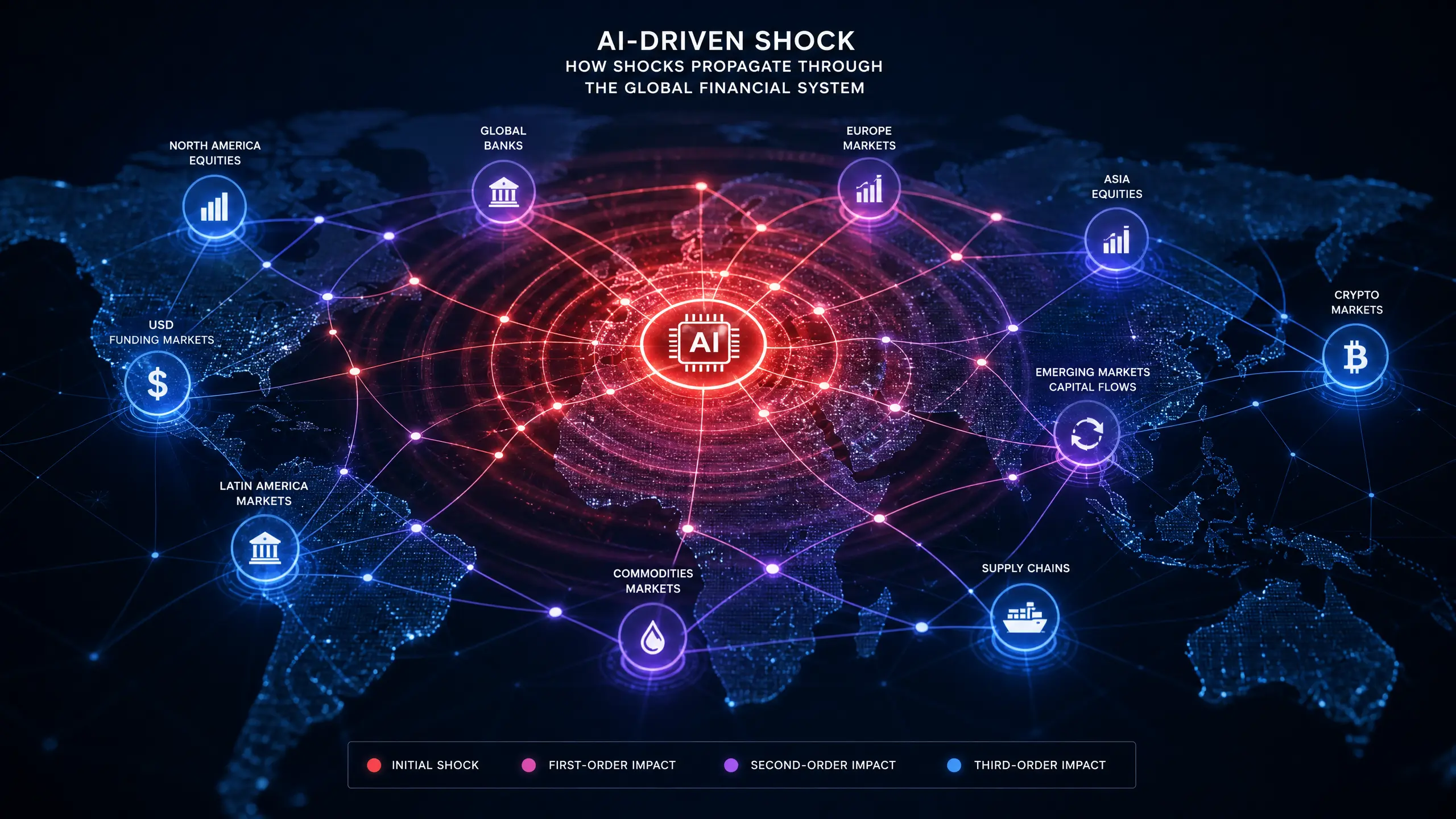
The IMF's recent analysis highlights a chilling scenario: extreme financial losses resulting from a sophisticated, AI-driven cyber incident. Such an event could rapidly escalate, triggering severe funding strains, raising widespread solvency concerns, and ultimately disrupting broader financial markets.
This warning aligns with growing apprehension among global authorities. In the United States, the European Union, and beyond, regulators and security officials are sounding the alarm about the dangers of AI tools being weaponized for cyberattacks.
Real-World Concerns and Industry Reactions
The threat is not merely theoretical. Recently, Vice President JD Vance voiced significant concerns regarding AI cyber threats during discussions with leaders of major technology firms. This sentiment is echoed by senior security officials across numerous states, who have directly communicated their worries to AI developers.
Globally, the response is gaining momentum:
- Australia: Monetary authorities are actively monitoring AI-related threats to their financial systems.
- Japan: Officials are in the process of establishing a comprehensive framework specifically designed to defend against emerging cyber risks.
The "Mythos" Effect: A Case Study in Vulnerability
The IMF specifically pointed to the recent release of Anthropic’s Claude Mythos model as a prime example of how rapidly these risks are escalating. According to the IMF, "Mythos could find and exploit vulnerabilities in every major operating system and web browser—even when used by non-experts."
This capability foreshadows a dangerous future where AI-driven cyber risks could destabilize the financial system if not managed with extreme care. The fundamental problem is speed: powerful AI models give attackers a distinct advantage because finding weak spots is inherently faster than patching and fixing them.
"The recent launch of Claude Mythos has created elevated risks around cybersecurity initiatives," noted analysts at Wedbush, underscoring the immediate impact of these advanced models on the security landscape.
The Danger of Interconnected Systems
The modern financial system is highly interconnected, built on common software platforms and shared service providers. This architecture, while efficient, creates a massive attack surface. The IMF warns that AI-assisted attacks can easily propagate across critical sectors—including energy, telecommunications, and public services—that rely on this shared infrastructure.
The Need for Durable Defenses
Currently, there are some mitigating factors. The most advanced AI cyber capabilities are not yet widely accessible to malicious actors. However, the IMF cautions that these temporary buffers will erode quickly as model training expands and the technology proliferates.
Relying on temporary containment strategies is "unlikely to be a worthy substitute for durable defenses," the IMF stated. The organization is calling for an urgent and comprehensive sharpening of existing cybersecurity measures. The financial sector must adapt to a new reality characterized by faster, automated, and increasingly sophisticated cyberattacks.
Conclusion
The integration of AI into the financial sector is inevitable, bringing both immense benefits and unprecedented risks. The IMF's warning serves as a critical wake-up call. To prevent a macro-financial shock, institutions must prioritize the development of robust, AI-resilient cybersecurity frameworks. The race between AI-empowered attackers and defenders has begun, and the stability of the global economy hangs in the balance.