- Malik Logix
- Posts
- OpenAI AI Phone Jumped Line
OpenAI AI Phone Jumped Line
Discover how OpenAI is fast-tracking its AI phone for a 2027 release, featuring specialized AI processors and aiming for mass production. Explore the implications for agentic experiences and the competitive landscape of AI hardware.

Malik Farooq
May 11, 2026
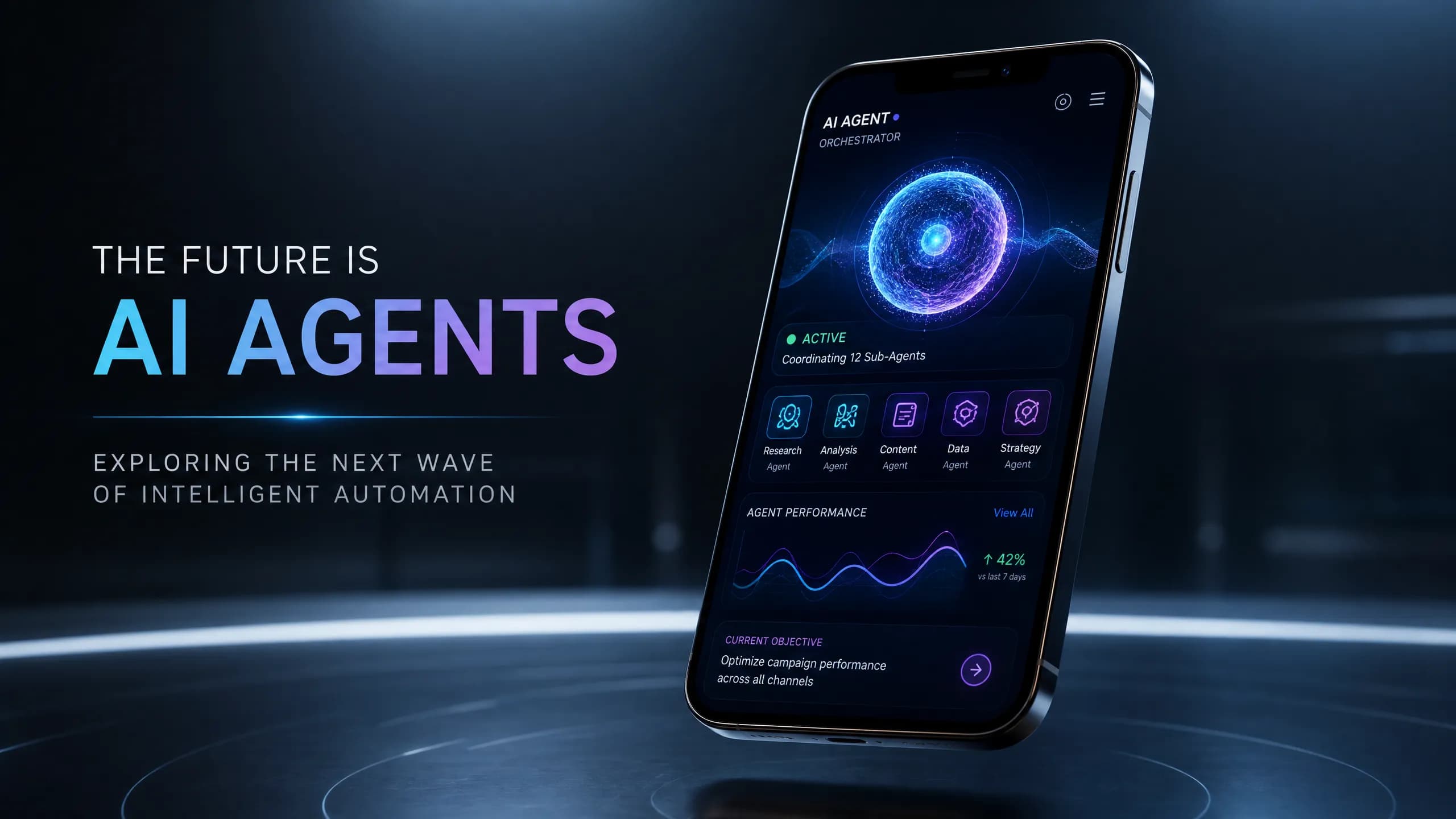
Deep Dive
OpenAI AI Phone Jumped Line: What It Means for the Future of AI and Mobile Tech
Why OpenAI's AI Phone Is Jumping the Line
- IPO Ambitions: OpenAI is preparing for a potential Initial Public Offering (IPO). Bringing a flagship hardware product to market can boost valuation and demonstrate tangible assets beyond software APIs.
- Competitive Pressure: With tech giants racing to embed AI deeply into their hardware ecosystems, OpenAI’s need to control both hardware and software is paramount.
- Technological Breakthroughs: Advances in AI processors and software have reached a point where seamless agentic experiences—AI that acts autonomously on behalf of users—are not just possible but necessary.
What Makes This AI Phone Different?
- Enhanced HDR pipeline for AI visual sensing: This means the phone can process and understand images and videos with far greater nuance and real-time responsiveness. Imagine AI-powered augmented reality with near-human perception.
- Optimized language models: The phone will run advanced natural language processing tasks natively, reducing latency and enhancing privacy since data does not need to travel to cloud servers constantly.
Why Controlling Hardware and OS Is a Game Changer
"True AI agency requires full-stack integration—from silicon to software."
The Strategic Importance
- Optimized Performance: Proprietary AI processors designed specifically for OpenAI’s models will deliver faster, more efficient computation compared to generic chips.
- Data Privacy and Security: Processing AI tasks locally reduces dependency on cloud infrastructure, minimizing data exposure risks.
- Seamless User Experience: Customized OS and hardware integration enables smoother, more intuitive AI interactions tailored precisely to the device capabilities.
- Innovation Freedom: Controlling the stack allows OpenAI to experiment with novel AI use cases without being constrained by third-party hardware limitations.
The Jony Ive Factor
The Competitive Landscape: OpenAI’s AI Phone vs. Industry Giants
Key Competitors and Their AI Strategies
| Company | AI Hardware Approach | AI Software Highlights |
|---|---|---|
| Apple | Custom AI chips (Neural Engine in A-series) | Siri, Core ML, On-device AI |
| Tensor chips for Pixel phones | Google Assistant, TensorFlow Lite | |
| Samsung | Exynos AI processors | Bixby, AI-powered camera enhancements |
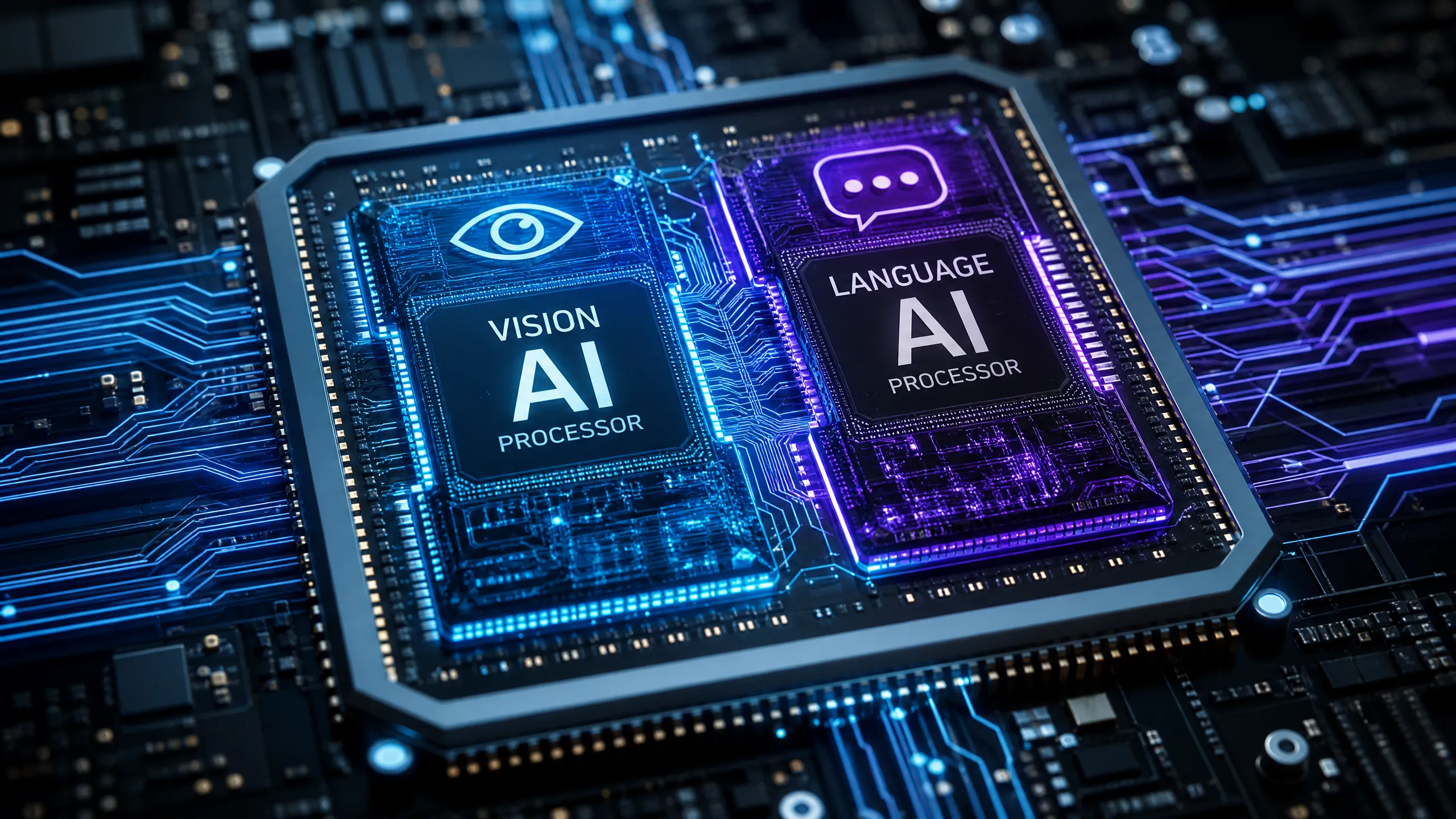
| OpenAI (New) | Dual AI processors by MediaTek for vision & language | GPT-based agentic AI, deep integration |
What OpenAI Brings to the Table
- Agentic AI: Unlike the reactive assistants currently on phones, OpenAI’s AI phone aims for proactive, autonomous AI agents that can perform complex tasks independently.
- Deep Learning Integration: Leveraging OpenAI’s GPT-5.5-Instant rollout, the phone is expected to handle real-time inference with low latency.
- Focus on Vision and Language: The dual processor design targets two of AI’s most challenging domains—visual understanding and conversational reasoning.
Shipment Goals and Market Impact
Broader AI Ecosystem Developments: Context Matters
Anthropic’s 10 Ready-to-Run AI Agents for Finance
- Analyze market trends
- Automate trading decisions
- Provide personalized financial advice
Making Notion Agents More Autonomous
Span & Nvidia’s Home-Based Mini AI Data Centers

Practical Implications for Developers and Consumers
For Developers
- New Hardware APIs: OpenAI’s phone will likely introduce SDKs tailored for its dual AI processors, enabling developers to build highly optimized AI applications.
- Enhanced AI Capabilities: Developers can leverage advanced vision and language models running natively, opening doors to innovative apps in AR, translation, content creation, and more.
- Ecosystem Opportunities: Early adoption may position developers advantageously in a new AI-first marketplace.
For Consumers
- Smarter Devices: Expect phones that can understand context, anticipate needs, and perform complex tasks autonomously.
- Improved Privacy: Local AI processing means sensitive data stays on-device, reducing cloud exposure.
- Potential Cost Premium: Cutting-edge hardware and capabilities may come at a higher price point, at least initially.
Industry Insights and Experience-Based Perspectives
- Software Alone Isn’t Enough: AI models like GPT have proven their value, but without tight hardware integration, user experience suffers from latency, energy inefficiency, and privacy concerns.
- Agentic AI Demands Control: True autonomous AI agents require a device-level command center that only owning hardware and OS can provide.
- Market Timing Is Critical: Accelerating the phone launch positions OpenAI ahead of many competitors who plan AI hardware rollouts post-2027.
AI Phone Statistics & Market Projections
- Target shipments: 30 million units (2027-28)
- Global smartphone shipments (2025 est.): ~1.3 billion units
- Estimated AI-capable device CAGR: 25% through 2030
- Average AI workload per device increase: 3x in next 3 years
- Percentage of users willing to pay premium for AI features: 40% (2025 survey)
Conclusion: The Dawn of Agentic AI Phones
Ready to master AI?
Join 1,000+ professionals getting the edge in AI marketing. 3 minutes a day to 10x your growth.
Join Free NowKeep reading

AI Distorting Everything Economy
Artificial intelligence is reshaping the U.S. economy, creating distortions in GDP, stock markets, and the job landscape. Explore the profound impact of AI on economic indicators.

Anthropic SpaceX Compute Partners
Explore the unexpected partnership between Anthropic and SpaceX, as Anthropic leases the Colossus 1 supercluster, signaling a new era in AI compute and Elon Musk's strategic moves in the AI landscape.
IMF Warns Evolving AI Threat
The International Monetary Fund warns that advanced AI models could trigger macro-financial shocks by exploiting vulnerabilities in global financial systems.