Voice AI in India: Wispr Flow's Strategic Bet on a Complex Market
India, a nation characterized by its rich linguistic diversity and a burgeoning digital population, presents both immense opportunities and significant challenges for voice AI technologies. While Indian internet users are highly accustomed to voice notes, voice search, and multilingual messaging, transforming these habits into a scalable AI business model is a formidable task. The complexities stem from the country's vast linguistic landscape, the prevalent use of mixed languages (code-switching), and the intricate patterns of monetization. Amidst these challenges, Wispr Flow, an AI-powered voice input software startup, is making a strategic bet, viewing India as a critical growth market worth the intensive effort.
Navigating India's Linguistic Labyrinth
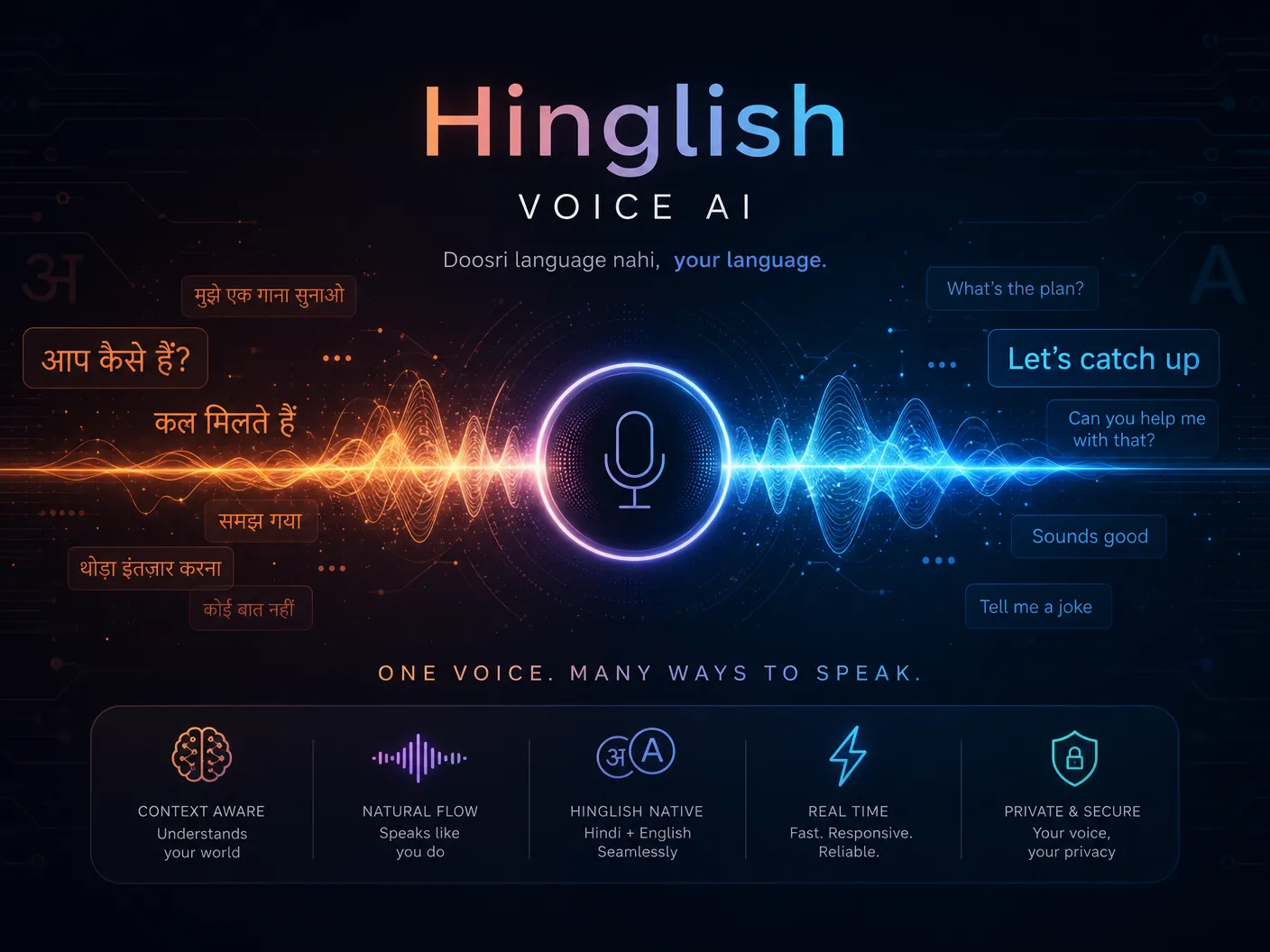
Wispr Flow, headquartered in the Bay Area, has identified India as its fastest-growing market. This growth is particularly noteworthy given that voice-based AI products in India are still in their nascent stages and highly fragmented. To address the unique linguistic environment, Wispr Flow has aggressively expanded its offerings for Indian users, starting with Hinglish, a dynamic blend of Hindi and English widely spoken across the country. The company's future plans include broader multilingual voice support, a significant local hiring drive, and a long-term vision for lower pricing to penetrate beyond the white-collar segment into a wider demographic of Indian households.
Historically, voice technology in India, from digital assistants to WhatsApp voice notes, primarily focused on convenience. However, a new wave of AI startups, including Wispr Flow, is now leveraging generative AI to evolve these habits into a more comprehensive computing layer. This shift aims to integrate voice AI more deeply into daily life, making it an indispensable tool rather than a mere convenience.
Product Adaptation and Market Penetration
To enhance product relevance for Indian users, Wispr Flow initiated beta testing for a Hinglish voice model earlier this year. The company strategically launched its Android application first, recognizing Android's dominance in the Indian mobile operating system market. This followed initial releases on Mac and Windows, with an expansion to iOS in 2025. This phased rollout demonstrates a keen understanding of market dynamics and user accessibility.
Tanay Kothari, Co-founder and CEO of Wispr Flow, noted that initial adoption in India was primarily among white-collar professionals, such as managers and engineers. However, the company is now observing broader usage patterns, with students and older users being onboarded by younger family members. This organic expansion into diverse user segments underscores the potential for widespread adoption once linguistic and accessibility barriers are effectively addressed.
India has rapidly become Wispr Flow's second-largest market globally, both in terms of users and revenue, trailing only the U.S. Kothari attributes this accelerated growth to the startup's focused India-centric initiatives, particularly the successful rollout of Hinglish support. The natural inclination of Indian users to mix Hindi and English in everyday conversations has been a significant factor, driving the expansion of use cases beyond professional settings into more personal communication.
"The biggest thing is people are starting to use it more in personal apps," Kothari emphasized, highlighting the increasing use of Wispr Flow on messaging platforms like WhatsApp and various social media applications where users frequently switch between Hindi and English.
Growth Trajectory and Future Outlook
Wispr Flow's growth in India has been remarkable. Kothari reported a month-over-month growth rate of approximately 60% earlier this year, which surged to around 100% following its recent India launch campaign. This campaign included a marketing push featuring a launch video from Kothari and targeted offline initiatives in Bengaluru, aimed at introducing the product to a broader mainstream audience.
Looking ahead, Wispr Flow plans to further expand its multilingual voice support over the next 12 months, enabling users to seamlessly switch between English and other Indian languages beyond Hindi. In a strategic move to enhance affordability and market penetration, the startup introduced India-specific pricing in December, offering annual plans at ₹320 (approximately $3.4) per month, a significant reduction from its global standard of $12 monthly. The long-term goal is to further reduce costs to as low as ₹10–20 (around 10–20 cents) per month, making Wispr Flow accessible to virtually every individual in the country, irrespective of their socio-economic background.
"I want every single person in the country to be able to use Wispr Flow, and that’s what we’re really building for," Kothari stated, outlining the company's ambitious vision for inclusive growth.
To bolster its local presence and operational capabilities, Wispr Flow recently appointed Nimisha Mehta to lead its India operations. The company aims to expand its Indian team to approximately 30 employees over the next year, focusing on building consumer growth, partnerships, and enterprise teams, complementing its existing engineering and support functions. Globally, Wispr Flow currently employs about 60 individuals.
The Broader Landscape of Voice AI in India
Wispr Flow's focus on India is part of a larger trend, with many companies recognizing the country's strategic importance for voice-based AI products. Industry players like ElevenLabs have consistently highlighted India as a significant growth market. Concurrently, local startups such as Gnani.ai, Smallest AI, and Bolna have garnered substantial investor interest, reflecting the increasing adoption of voice-based AI tools across both consumer and business applications.
Despite this growing interest, transforming voice AI into a mainstream consumer product in India remains a considerable challenge. Neil Shah, Vice President of Research at Counterpoint Research, aptly describes India as the "ultimate stress test for voice AI," citing "linguistic, accent, and contextual friction" as primary impediments to wider adoption.
Data from Sensor Tower reveals that Wispr Flow recorded over 2.5 million global downloads between October 2025 and April 2026. India accounted for 14% of these installs, making it the second-largest market by downloads after the U.S. However, India contributed only about 2% of Wispr Flow’s in-app purchase revenue during the same period, indicating a disparity between user acquisition and monetization, partly due to the startup's desktop-centric global usage.
In India, Wispr Flow's usage is evenly split between desktop and mobile, a contrast to the 80:20 desktop-heavy mix observed in the U.S. Kothari also highlighted strong user retention, with approximately 70% retention after 12 months globally and in India. The company's commitment to linguistic accuracy is further evidenced by its employment of two full-time linguistics PhDs, who are dedicated to refining multilingual voice models and expanding support for additional Indian language combinations.
Conclusion
Wispr Flow's journey in India exemplifies the intricate balance between technological innovation, market adaptation, and strategic pricing in a highly diverse and challenging environment. By focusing on localized linguistic support, aggressive market penetration strategies, and a clear vision for affordability, Wispr Flow is poised to unlock the immense potential of voice AI in India. The insights gained from this market will undoubtedly contribute to the global evolution of voice AI, demonstrating how tailored approaches can overcome complex regional hurdles and foster widespread adoption.
References
- Voice AI in India is hard. Wispr Flow is betting on it anyway. - TechCrunch