- Malik Logix
- Posts
- Agentic AI Governance Enterprise Readiness
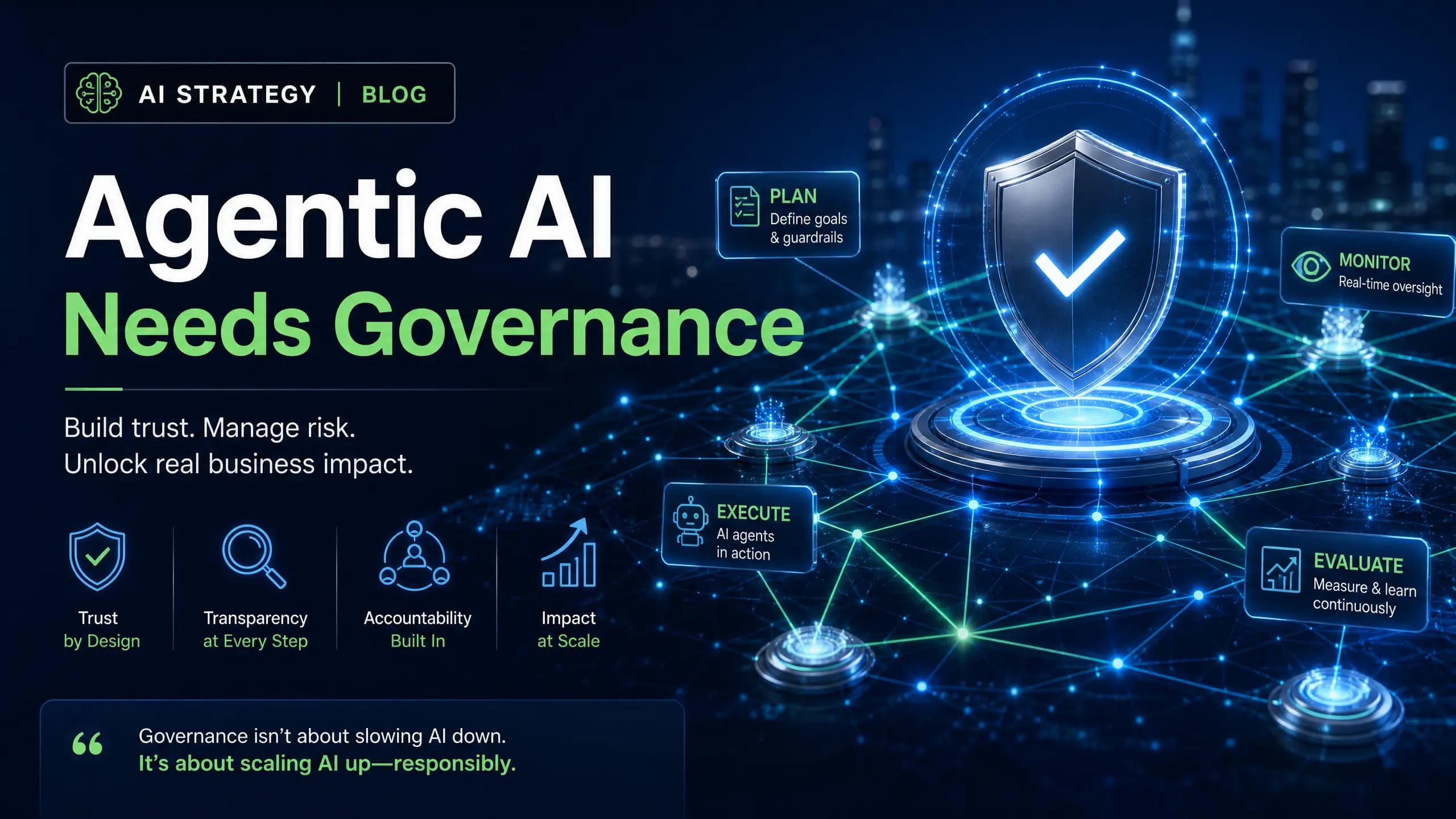
Agentic AI Governance Enterprise Readiness
Explore Google's innovative agentic AI governance platform and assess whether enterprises are truly prepared for the shift towards autonomous AI systems.

Malik Farooq
May 6, 2026
Deep Dive
AI Governance: Google's Agentic Approach and Enterprise Readiness
The landscape of artificial intelligence is rapidly evolving, with agentic AI systems emerging as a transformative force. These systems, capable of autonomous planning, reasoning, and execution, promise unprecedented efficiencies and innovation. However, their deployment introduces complex governance challenges that traditional AI frameworks are ill-equipped to handle. Recently, Google took a significant leap forward by integrating agentic AI governance directly into its product offerings, signaling a new era where governance is not an afterthought but a foundational component of AI development and deployment. This article delves into Google's approach, examines the current state of enterprise readiness, and highlights the critical considerations for organizations navigating this complex terrain.
Google's Vision: Governance as a Product Feature
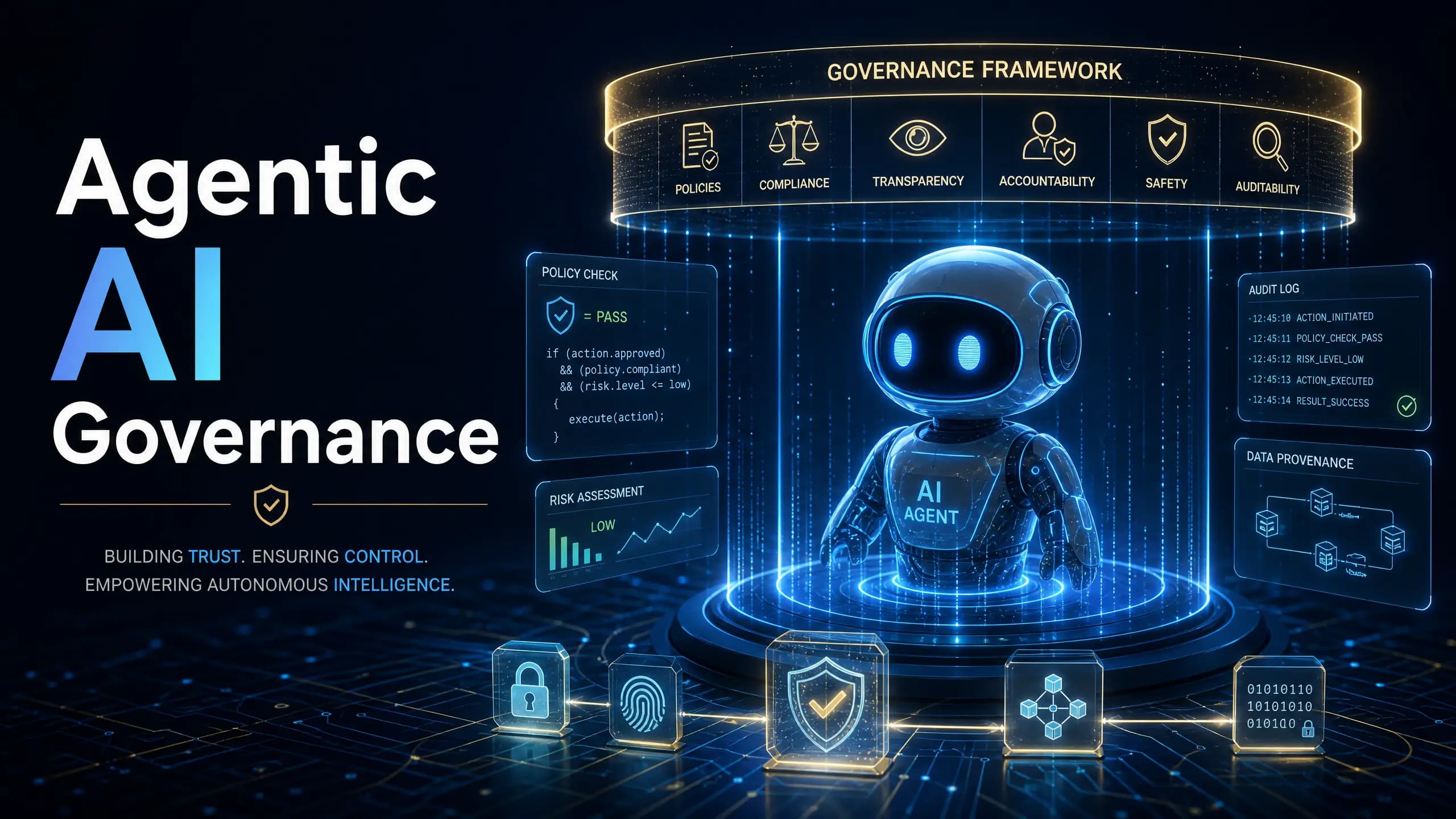
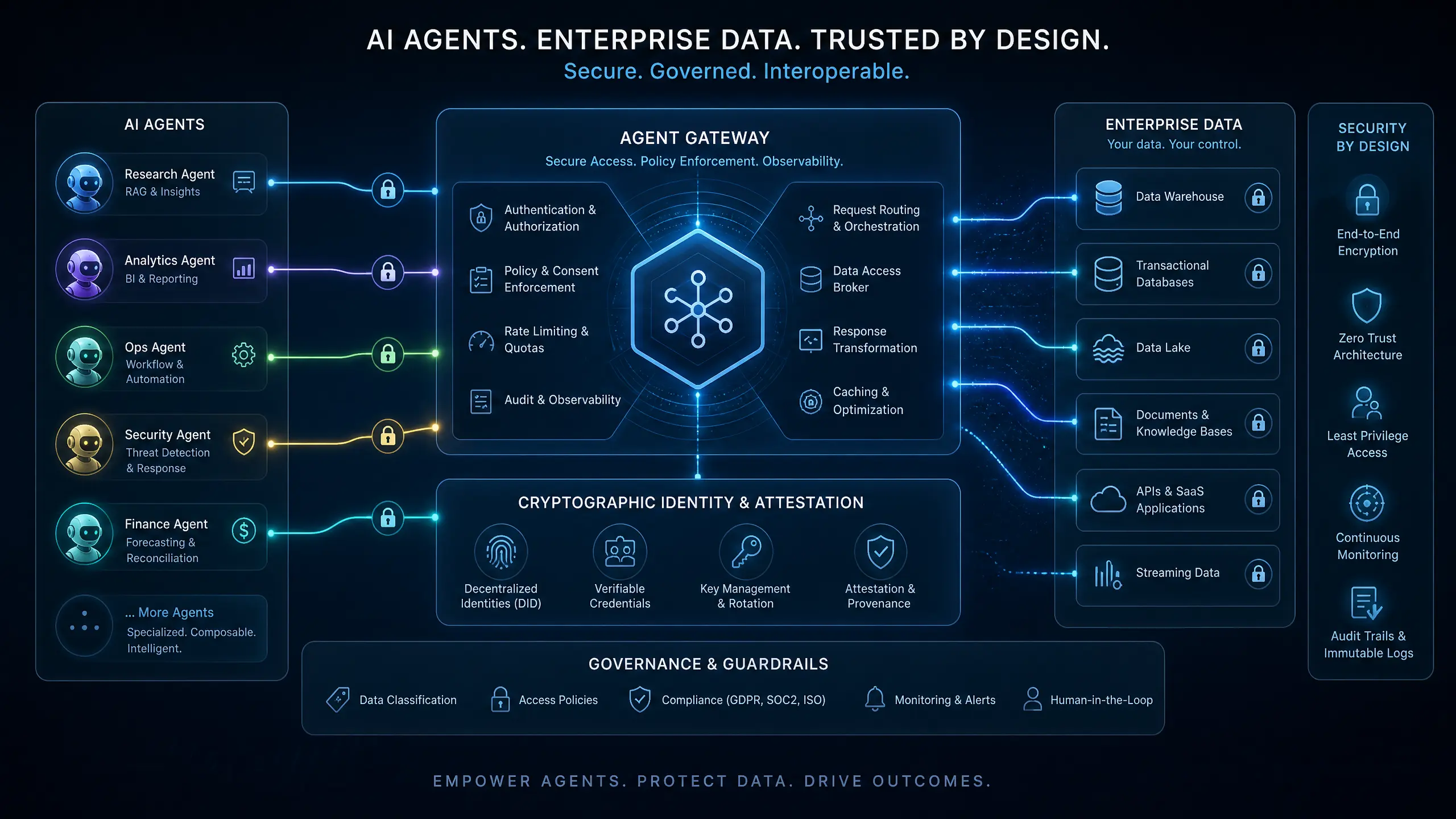
At Google Cloud Next ’26, Google unveiled the Gemini Enterprise Agent Platform, a successor to Vertex AI, designed to build, scale, govern, and optimize AI agents. What sets this platform apart is its inherent governance architecture. Every agent built on the platform receives a unique cryptographic identity, ensuring traceability and auditability. Furthermore, the Agent Gateway oversees interactions between agents and enterprise data, embedding governance directly into the product's core. This proactive approach addresses a critical gap that has hindered enterprise AI deployments.
The Unspoken Governance Gap
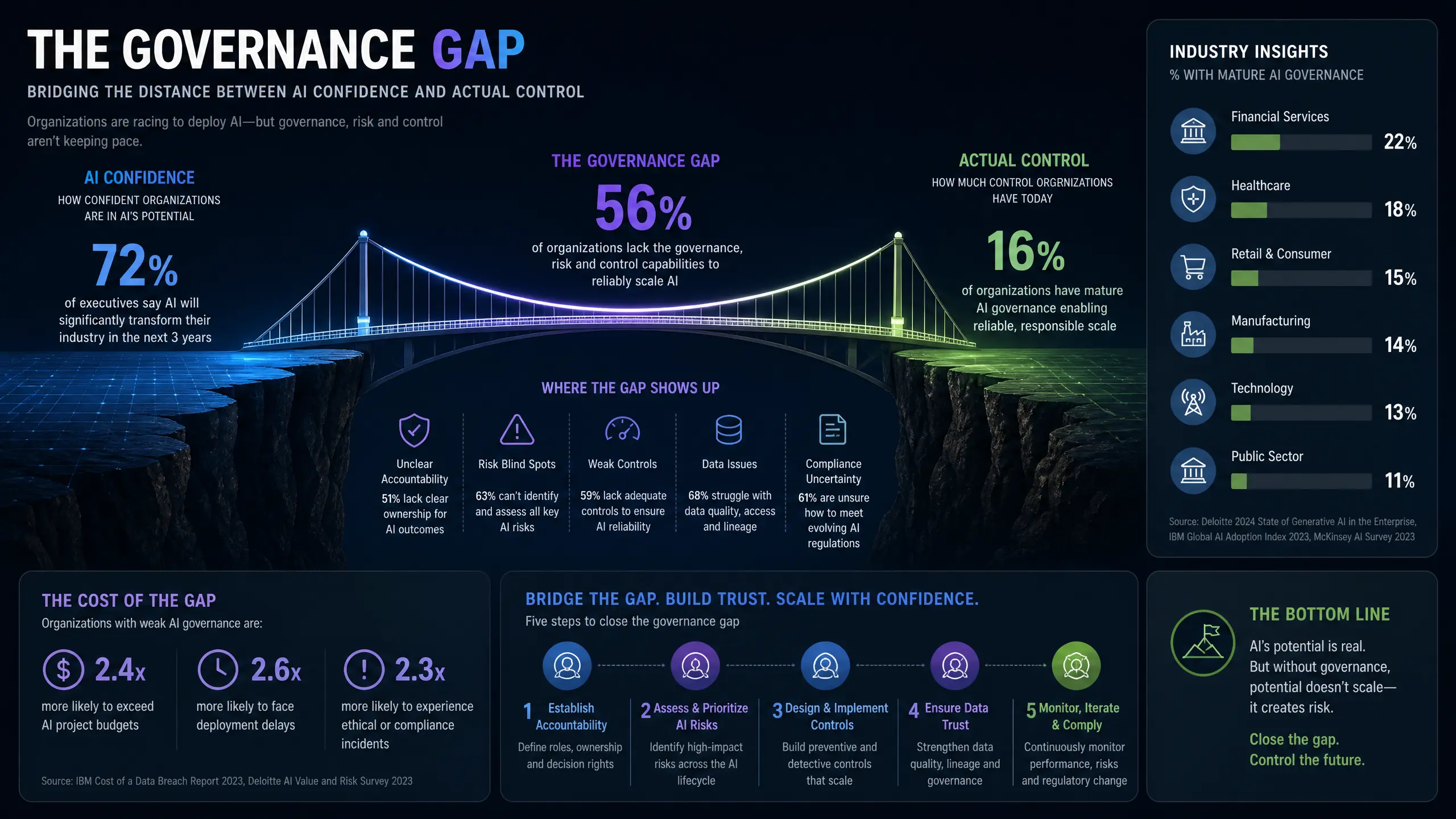
Despite widespread interest in agentic AI—with 97% of organizations exploring such strategies and 49% considering their capabilities advanced or expert—a significant governance deficit persists. A recent survey by OutSystems involving 1,879 IT leaders revealed that only 36% have a centralized approach to agentic AI governance, and a mere 12% utilize a centralized platform for control. This 85-point disparity between confidence and actual control underscores the urgent need for robust governance frameworks.
The Hype vs. Reality of Agentic AI Deployment
Gartner's 2026 Hype Cycle for Agentic AI places it at the Peak of Inflated Expectations. While only 17% of organizations have deployed AI agents, over 60% plan to do so within two years. However, the reality of production is stark: only 11% to 14% of agentic AI pilots reach genuine production scale. The majority stall or are abandoned, primarily due to governance breakdowns and integration complexities.
The Strategic Implications of Google's Move
Google's repositioning from mere model access to a comprehensive agentic enterprise platform places context, identity, and security at the center of the architecture. This strategic shift is significant, especially considering that major cloud providers only recently announced agent registries. Google's comprehensive response implies that deeper integration with its stack is necessary to leverage these governance capabilities.
The Challenge of Identity and Access Management
Agentic systems multiply identities and permissions at a scale that traditional human-centric identity and access management (IAM) models cannot support. When agents act across systems, governance must shift from approving models to defining permissible actions, identities, tools, and audit trails. Google's cryptographic agent identity and gateway architecture directly address this challenge, though enterprises must decide if they are willing to grant Google such operational centrality.
The Pitfalls of "Agent Washing"
A significant issue complicating the governance debate is "agent washing"—marketing scripted automation as agentic AI. Deloitte's research indicates that many so-called agentic initiatives are merely legacy workflow tools with conversational interfaces. Governance frameworks designed for autonomous agents do not align with scripted automation, leading to structures that are either too restrictive or too permissive.
The Cost of Weak Governance
Gartner estimates that over 40% of agentic AI projects could be canceled by 2027 due to unclear value and weak governance. Organizations investing in governance architecture—such as audit trails, escalation paths, bounded autonomy, and agent-level identity—are laying the groundwork for successful production deployments.
Conclusion: The Path Forward for Enterprises
Google's Cloud Next platform launch serves as a forcing function, providing the necessary tooling for governed agentic systems at scale. However, the harder organizational work remains: defining agent authorizations, establishing accountability, and deciding on the underlying platform. As enterprises navigate this transition, prioritizing robust governance will be the key to unlocking the true potential of agentic AI while mitigating its inherent risks.
Real-World Examples and Industry Insights
- Financial Sector: Banks are increasingly exploring agentic AI for fraud detection and risk management, requiring stringent governance to ensure compliance with regulatory standards.
- Healthcare: Agentic AI in healthcare must navigate complex data privacy laws, necessitating robust identity and access management frameworks.
- Manufacturing: Autonomous agents optimizing supply chains require clear boundaries to prevent disruptive decisions that could impact production.
Key Statistics
- 97% of organizations are exploring agentic AI strategies.
- 49% consider their agentic AI capabilities advanced or expert.
- 36% have a centralized approach to agentic AI governance.
- 12% use a centralized platform for control.
- 11% to 14% of agentic AI pilots reach genuine production scale.
- >40% of agentic AI projects could be canceled by 2027 due to weak governance.
By addressing these governance challenges head-on, enterprises can confidently embrace the agentic AI revolution, ensuring that their deployments are not only innovative but also secure, compliant, and aligned with their strategic objectives.
Ready to master AI?
Join 1,000+ professionals getting the edge in AI marketing. 3 minutes a day to 10x your growth.
Join Free NowKeep reading

AI Agents Interaction Infrastructure
Explore why AI agents require robust interaction infrastructure to prevent automation waste and ensure efficient, secure, and compliant operations in enterprise environments.
Malik Farooq/
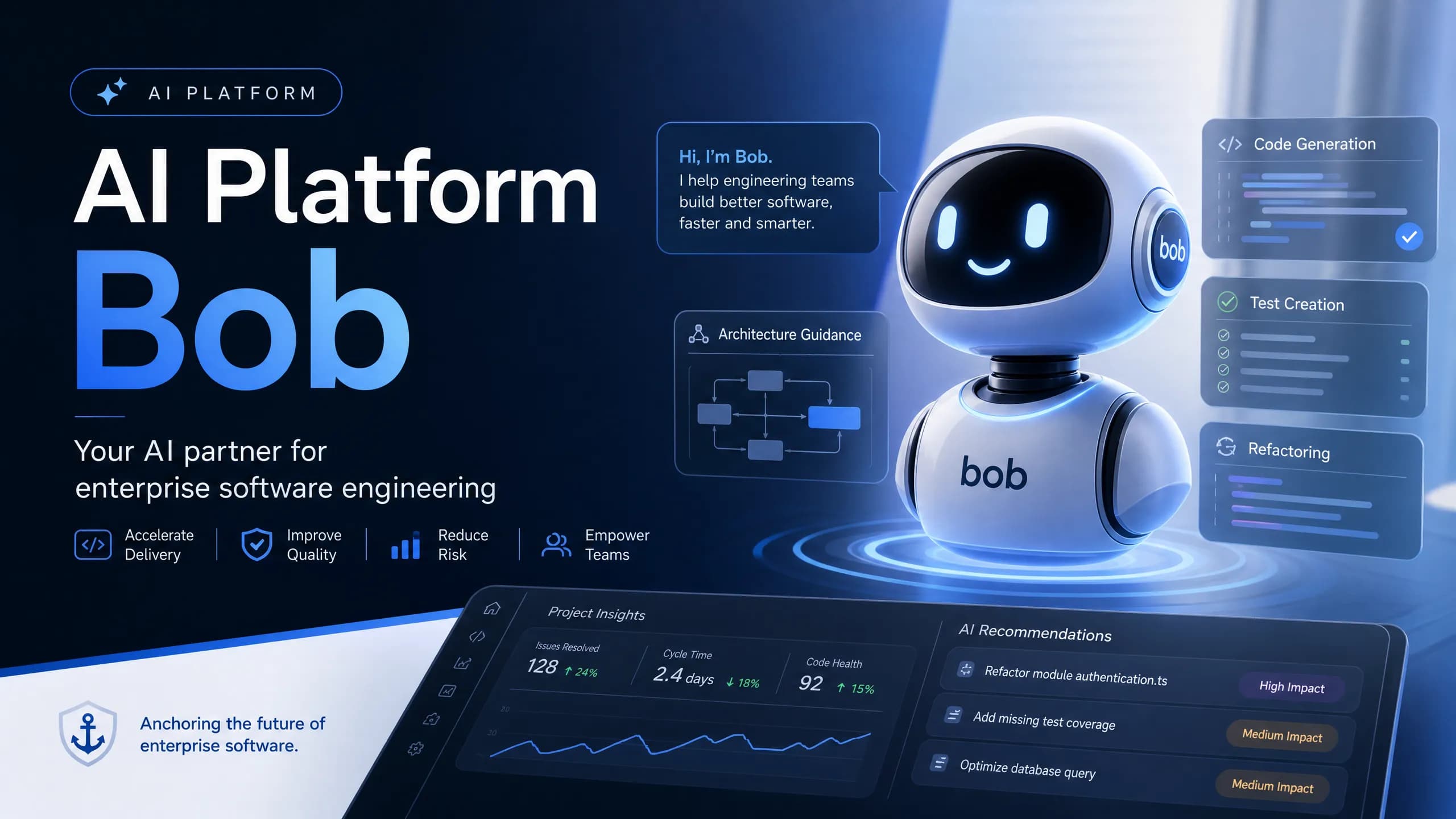
AI Platform Bob: Revolutionizing SDLC Cost Regulation
Discover how IBM's AI platform Bob is transforming software development lifecycle (SDLC) governance and cost regulation for enterprises.
Malik Farooq/
AI Transforming Business Strategy
Explore how AI is transforming business strategy with agentic AI governance and its impact on enterprise readiness.
Malik Farooq/
Back to archive
Share