- Malik Logix
- Posts
- AI Transforming Business Strategy
AI Transforming Business Strategy
Explore how AI is transforming business strategy with agentic AI governance and its impact on enterprise readiness.

Malik Farooq
May 6, 2026
Deep Dive

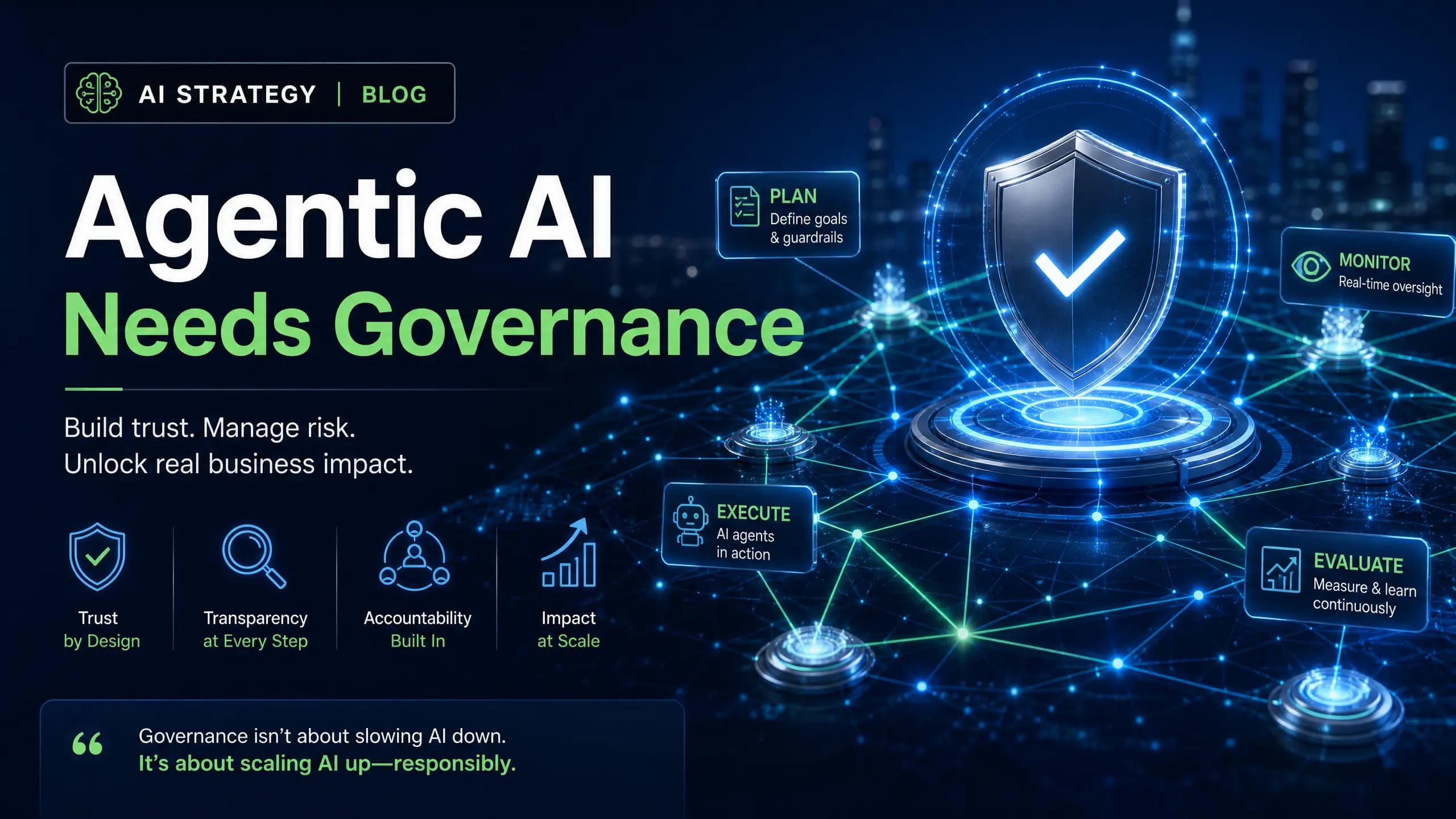
AI Transforming Business Strategy
Introduction
This is a hook-based introduction for the article "AI Transforming Business Strategy". It will grab the reader's attention and set the stage for the in-depth discussion on agentic AI governance.
The Rise of Agentic AI and the Governance Imperative
Agentic AI systems are rapidly evolving, moving beyond simple automation to autonomous decision-making and action execution. This shift presents unprecedented opportunities but also significant governance challenges. Google's recent announcement at Cloud Next '26, introducing the Gemini Enterprise Agent Platform with built-in governance features, marks a pivotal moment in the industry.
The Governance Gap: A Stark Reality
Despite the enthusiasm for agentic AI, a substantial gap exists between organizational confidence and actual control. A survey by OutSystems revealed that while 97% of organizations are exploring agentic AI strategies, only 36% have a centralized governance approach. This 85-point disparity highlights a critical need for robust governance frameworks.
Google's Strategic Bet on Integrated Governance
Google's approach with the Gemini Enterprise Agent Platform emphasizes integrated governance, where cryptographic identities for agents and an Agent Gateway for oversight are core to the architecture. This move signifies a shift from merely providing AI models to offering a comprehensive, secure platform for agent deployment and management.
The Challenge of 'Agent Washing'
A significant hurdle in agentic AI governance is the phenomenon of 'agent washing,' where many initiatives marketed as agentic AI are, in fact, sophisticated automation tools. This misclassification can lead to inappropriate governance frameworks, either too restrictive for true autonomous agents or too permissive for rule-based automation.
Real-World Implications and Industry Insights
The implications of effective agentic AI governance extend to various sectors. For instance, in finance, autonomous agents handling transactions require immutable audit trails and clear accountability mechanisms. In healthcare, AI agents assisting in diagnostics or treatment plans necessitate stringent regulatory compliance and ethical oversight.
Statistics and Data Points
- Deployment vs. Expectation: Gartner's 2026 Hype Cycle for Agentic AI indicates that only 17% of organizations have deployed AI agents, yet over 60% expect to do so within two years, showcasing an aggressive adoption curve.
- Pilot Project Failures: Independent analyses suggest that 86% to 89% of agentic AI pilot projects fail to reach genuine production scale, primarily due to governance breakdowns and integration complexities.
- Project Cancellations: Gartner estimates that over 40% of agentic AI projects could be canceled by 2027 if governance issues remain unaddressed.
Practical Explanations: Building a Robust Governance Framework
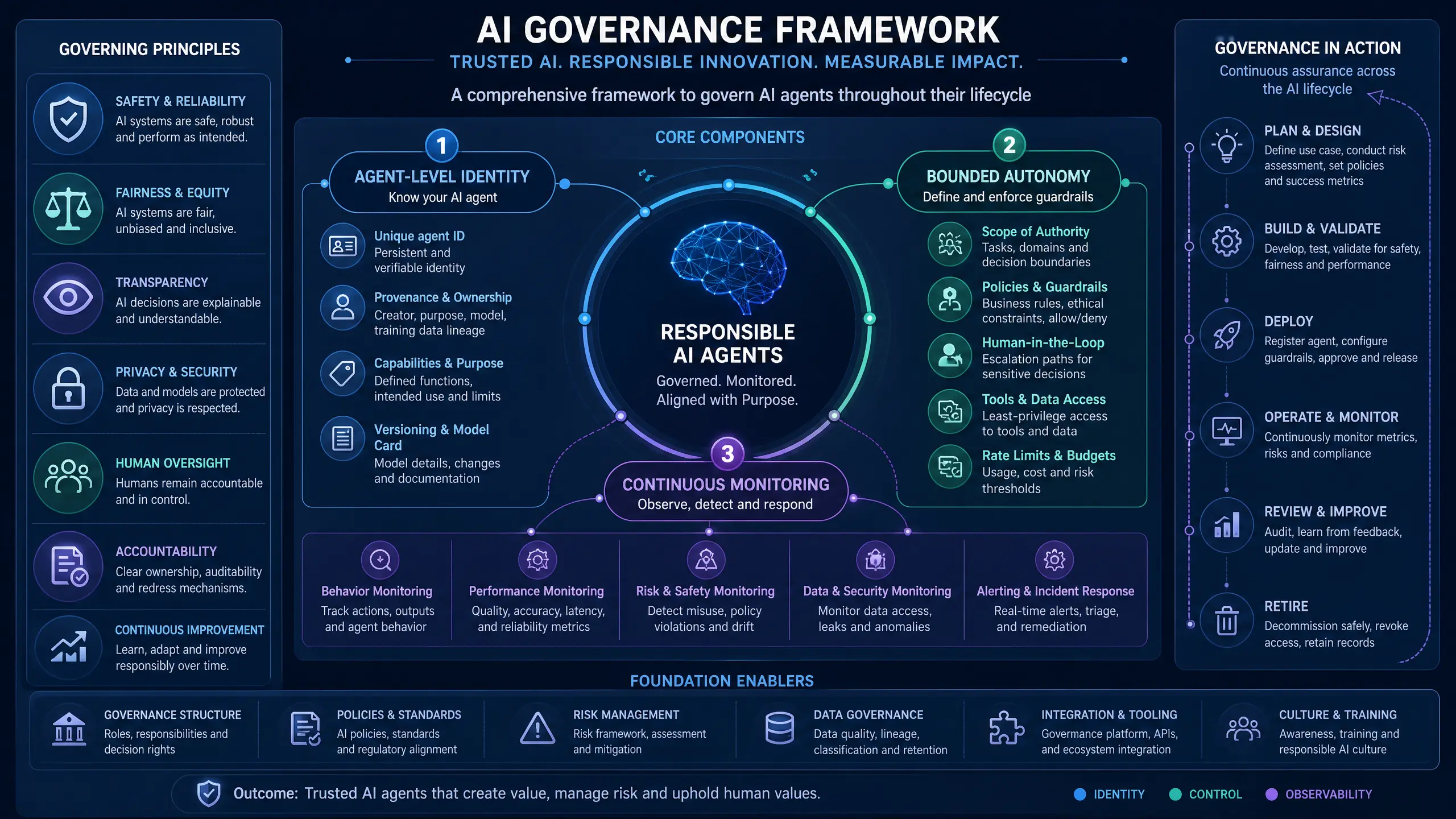
Establishing a robust governance framework for agentic AI involves several key components:
- Agent-Level Identity: Assigning unique cryptographic identities to each agent for traceability and auditing.
- Bounded Autonomy: Defining clear operational boundaries and decision-making scopes for autonomous agents.
- Escalation Paths: Implementing mechanisms for human intervention and oversight when agents encounter unforeseen situations or operate outside defined parameters.
- Continuous Monitoring: Regularly auditing agent activities, performance, and compliance with ethical guidelines and regulatory requirements.
Conclusion
The advent of agentic AI presents a transformative opportunity for enterprises. However, realizing its full potential hinges on establishing comprehensive and effective governance. Google's integrated approach with the Gemini Enterprise Agent Platform offers a blueprint for addressing these challenges. By prioritizing governance from design to deployment, organizations can harness the power of agentic AI while mitigating risks and ensuring responsible innovation.
Ready to master AI?
Join 1,000+ professionals getting the edge in AI marketing. 3 minutes a day to 10x your growth.
Join Free NowKeep reading
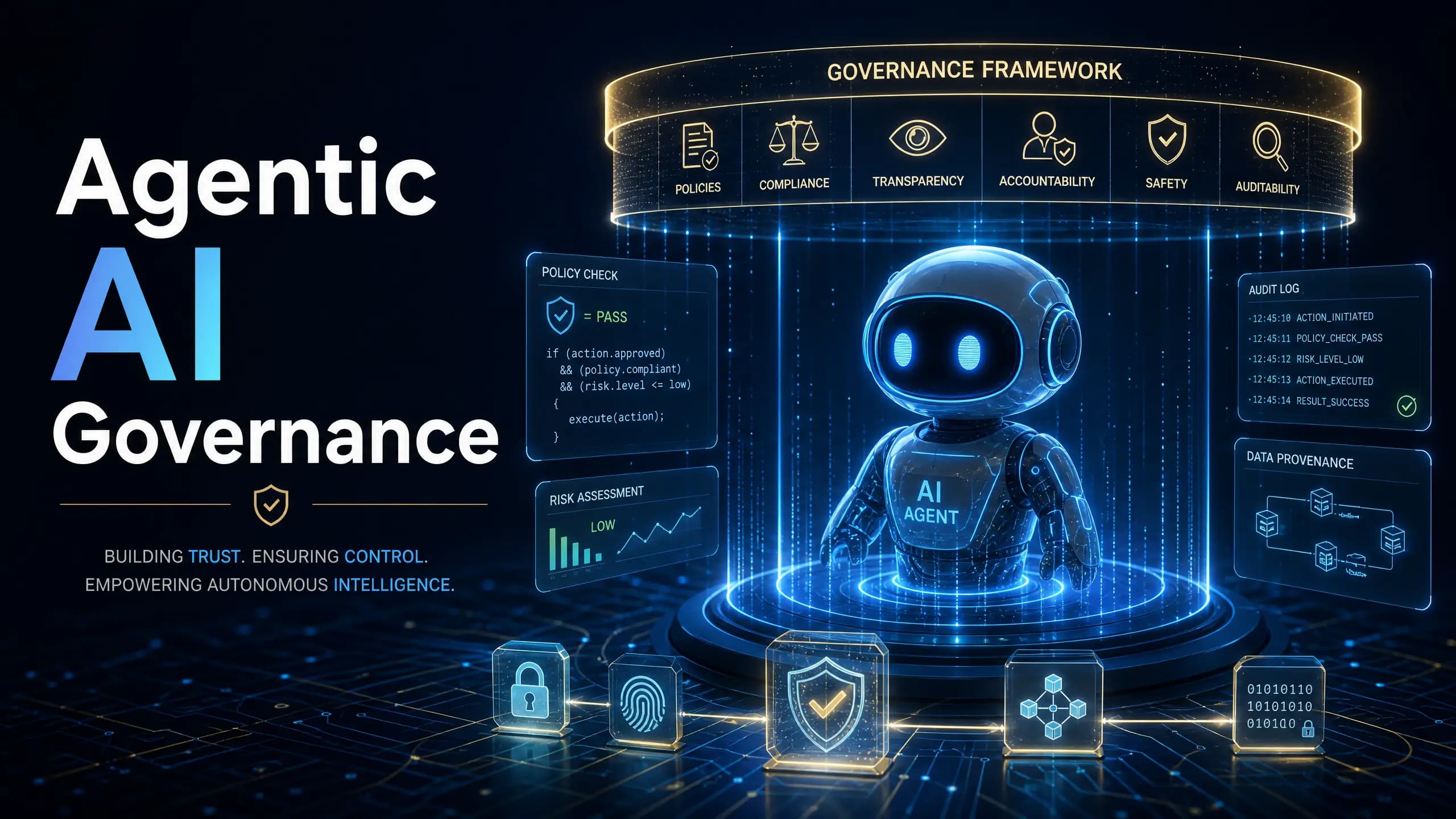
Agentic AI Governance Enterprise Readiness
Explore Google's innovative agentic AI governance platform and assess whether enterprises are truly prepared for the shift towards autonomous AI systems.
Malik Farooq/

AI Agents Interaction Infrastructure
Explore why AI agents require robust interaction infrastructure to prevent automation waste and ensure efficient, secure, and compliant operations in enterprise environments.
Malik Farooq/
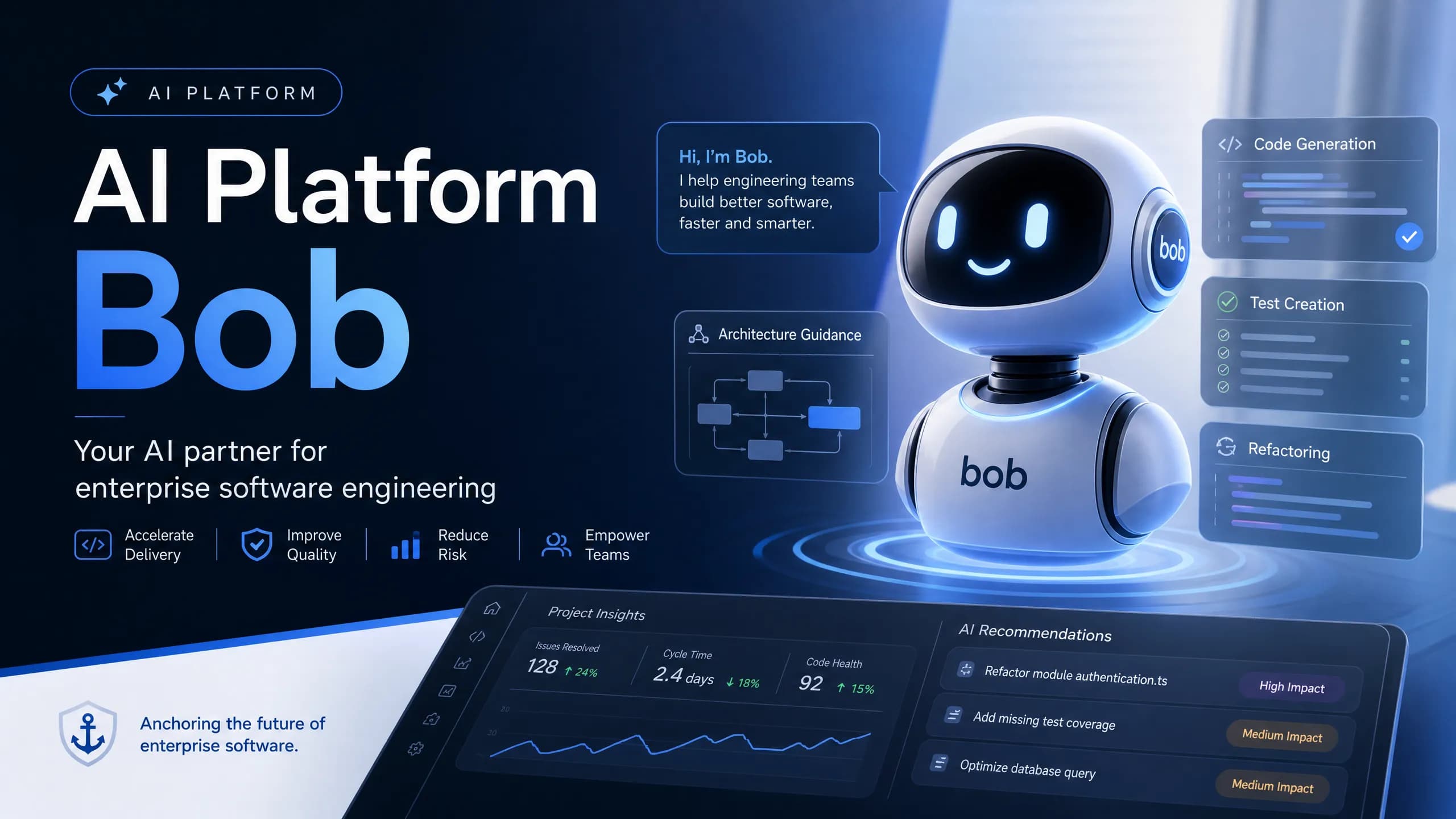
AI Platform Bob: Revolutionizing SDLC Cost Regulation
Discover how IBM's AI platform Bob is transforming software development lifecycle (SDLC) governance and cost regulation for enterprises.
Malik Farooq/
Back to archive
Share