- Malik Logix
- Posts
- AI Agents Interaction Infrastructure
AI Agents Interaction Infrastructure
Explore why AI agents require robust interaction infrastructure to prevent automation waste and ensure efficient, secure, and compliant operations in enterprise environments.

Malik Farooq
May 6, 2026

Deep Dive
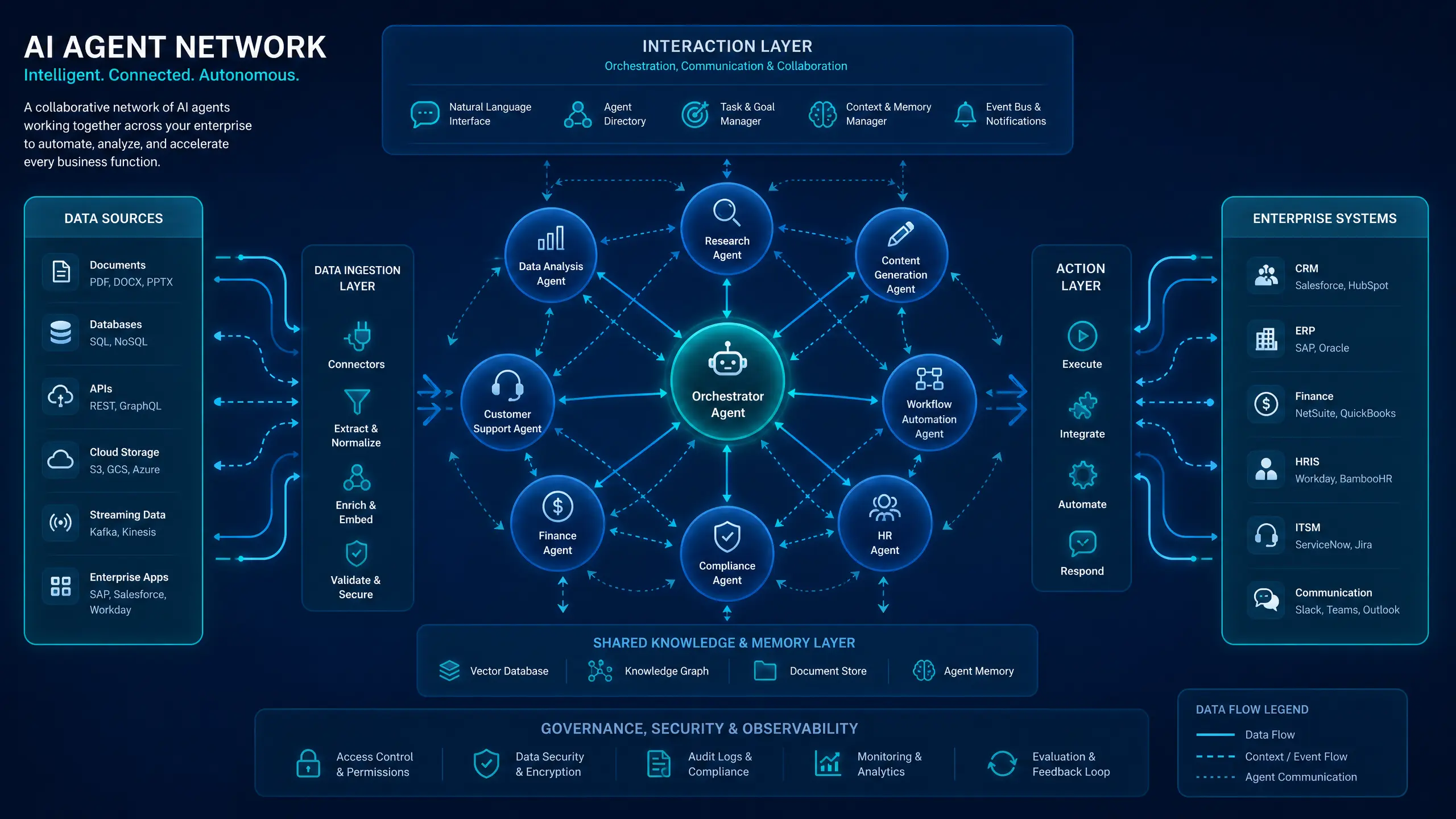
The Critical Need for Interaction Infrastructure in AI Agent Deployments
In today's rapidly evolving technological landscape, AI agents are becoming increasingly prevalent within corporate networks. These autonomous entities are designed to reason through complex tasks and execute decisions with minimal human intervention. However, as their autonomy grows and their deployment scales, a critical challenge emerges: the lack of a robust interaction infrastructure. Without this foundational layer, enterprises risk significant automation waste, operational inefficiencies, and potential compliance breaches.
Real-world Example: Consider a large financial institution deploying multiple AI agents to manage various aspects of its operations, from fraud detection to customer service and regulatory compliance. Each agent operates independently, but their tasks often intersect. A fraud detection agent might flag a suspicious transaction, requiring immediate input from a customer service agent to verify the account holder, and a compliance agent to ensure all actions adhere to financial regulations. If these agents lack a seamless, governed interaction framework, the process becomes fragmented, leading to delays, errors, and increased operational costs. Human operators are often forced to act as manual intermediaries, bridging the gaps between these disconnected systems.
The Evolution of Distributed Systems and AI Agents
The concept of dedicated interaction layers is not new. Earlier computing paradigms, such as application programming interfaces (APIs) and microservices, necessitated specialized gateways and service meshes to function effectively at scale. The proliferation of distributed systems, often owned by different internal teams and built on varied frameworks, has consistently demonstrated that simply adding more business logic does not resolve underlying instability. Instead, reliable interaction demands a distinct infrastructure layer that can manage the complexities of inter-agent communication and collaboration.
Industry Insight: The market dynamics driving this need are multifaceted. Firstly, AI agents have moved beyond experimental phases into active runtime participation across critical enterprise functions, including engineering pipelines, customer support, and security operations. This shift means that managing inter-agent collaboration is no longer a future consideration but an immediate operational imperative. Secondly, the operational environment is inherently heterogeneous, with diverse tools, cloud platforms, communication protocols, and business owners. This fragmentation is a permanent characteristic of the enterprise market. Thirdly, while foundational standards like the Model Context Protocol (MCP) and A2A communications are emerging to define how models access external tools and establish conversational parameters, they do not address the complexities of managing production environments, such as routing, error recovery, authority boundaries, human oversight, or runtime governance. This is precisely the void that a dedicated interaction infrastructure aims to fill.
The Financial and Operational Risks of Unmanaged Automation
Unmanaged automation, particularly in multi-agent environments, poses substantial financial and operational risks. The absence of a central governor for inter-agent communication can lead to ballooning compute expenses. Multi-agent inference often involves continuous API calls to expensive large language models. A routing failure or a looping error between confused agents can rapidly consume significant cloud budgets, far exceeding the value of the underlying transactions.
Statistics/Data Points: A recent industry report indicated that unmonitored multi-agent workflows could inflate token usage costs by as much as 300% in scenarios involving complex negotiations between internal procurement models and external vendor models [1]. This highlights the urgent need for infrastructure layers to implement hard financial circuit breakers that terminate interactions exceeding predefined token budgets or computational thresholds, thereby safeguarding against unforeseen expenditures.
Hardening the Multi-Agent Execution Layer for Security and Compliance
Integrating intelligent AI agents with existing legacy corporate architectures, especially in highly regulated sectors like financial institutions and healthcare, demands intense engineering resources. These organizations often rely on heavily fortified on-premises data warehouses, mainframe computation clusters, and customized enterprise resource planning (ERP) applications. Without a hardened interaction infrastructure, the risk of data corruption and security breaches multiplies with every automated step.
Practical Explanation: Imagine a scenario where a billing AI model initiates a transaction while a compliance AI model simultaneously flags the same account for review. Without a coordinated interaction layer, this could lead to a database lock or conflicting entries, compromising data integrity. A robust interaction layer prevents such collisions by enforcing capability limits, ensuring that autonomous entities cannot make unapproved modifications to primary source systems. Similarly, in the context of retrieval-augmented generation (RAG), where vector databases house contextual memories, the accurate and secure transfer of data between isolated vector environments is crucial. Data degradation can occur when models are forced to interpret summarized outputs rather than accessing original, cryptographically verified data logs. This necessitates rigid contextual borders and a central interaction mesh capable of tracing the complete lineage of all shared information.
Experience-based Insight: From an operational perspective, the risk of data contamination is a significant liability. If a customer service AI model inadvertently ingests highly classified financial data from an internal audit model during a contextual exchange, the resulting compliance violation could trigger severe regulatory penalties. Establishing a secure communication mesh allows data officers to implement highly specific access controls at the interaction layer, rather than attempting to reconstruct the logic of individual models. This approach ensures that every digital interaction is cryptographically logged, enabling regulatory bodies to trace automated decisions back to their exact origination point, thereby maintaining accountability and compliance.
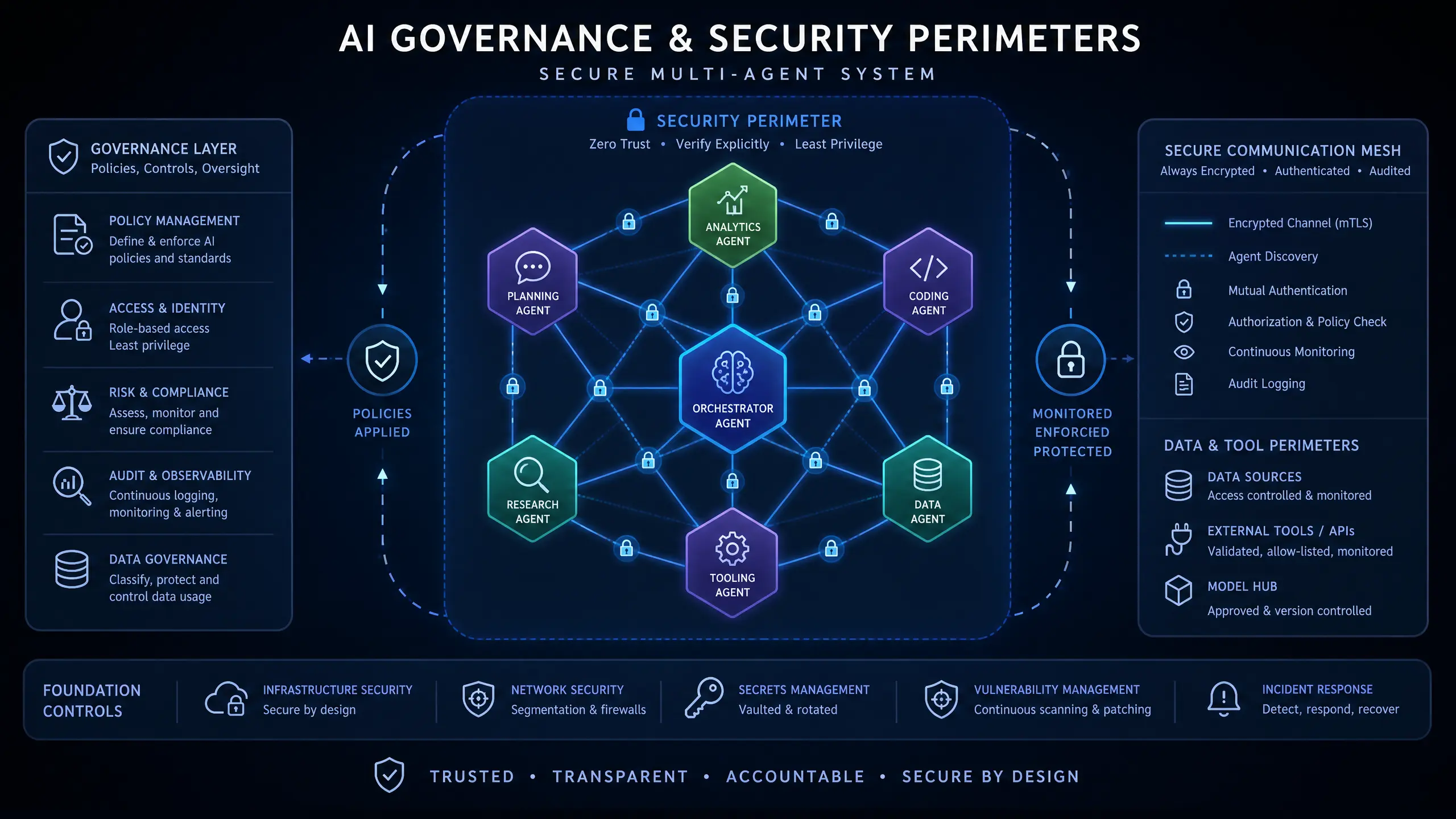
The Communication Mesh as a Security Perimeter
The design philosophy behind effective AI agent interaction infrastructure rejects the notion of a monolithic model governing the entire enterprise. Instead, it embraces a collaborative ecosystem of specialized participants, each with distinct strengths and roles, operating synchronously without requiring identical architectures. This framework-agnostic and cloud-agnostic approach acknowledges the value of existing tools and focuses on the operational phase—when models transition from the laboratory to the physical enterprise network as distributed entities.
Industry Insight: Governance is paramount in this strategy. A common pitfall in enterprise technology deployments is treating governance as an afterthought, patched onto the system post-deployment. This approach is particularly detrimental when dealing with autonomous enterprise actors that delegate tasks, transfer context, and execute actions across organizational boundaries. If authority rules remain implicit and data routing lacks transparency, the entire operation will suffer from a lack of trust, regardless of its technical functionality. To mitigate this, the underlying communication mesh must function as a robust security boundary. Organizations need mechanisms to inspect delegation chains, enforce strict authority limits, and maintain comprehensive audit trails of all runtime actions. Crucially, human participation must be deeply integrated into the execution layer, providing oversight and intervention capabilities when necessary.
Conclusion
The transition from single-model usage to a networked enterprise implementation of AI agents hinges on the development and deployment of a sophisticated interaction infrastructure. Without this foundation, organizations will face compounding system failures, escalating costs, and significant compliance violations. Companies that prioritize investment in a hardened, governed interaction infrastructure, rather than merely accumulating impressive software demonstrations, will be the ones to successfully deploy scalable and secure AI operations. This strategic investment ensures that AI agents can collaborate effectively, securely, and compliantly, unlocking their full potential to drive innovation and efficiency across the enterprise.
References
[1] Artificial Intelligence News. "Why AI agents need interaction infrastructure." Artificial Intelligence News, 24 April 2026, https://www.artificialintelligence-news.com/news/why-ai-agents-need-interaction-infrastructure/.
Ready to master AI?
Join 1,000+ professionals getting the edge in AI marketing. 3 minutes a day to 10x your growth.
Join Free NowKeep reading
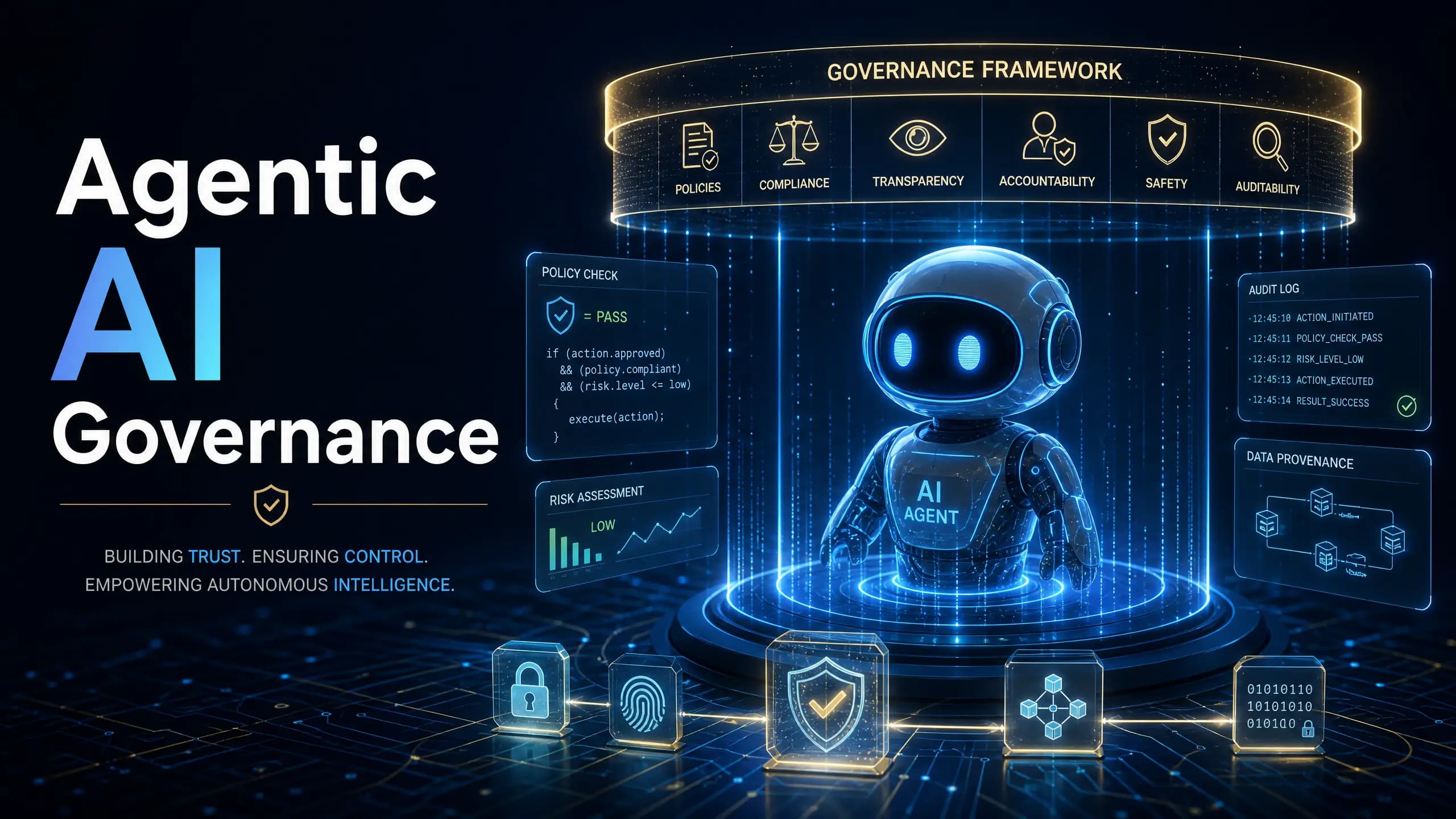
Agentic AI Governance Enterprise Readiness
Explore Google's innovative agentic AI governance platform and assess whether enterprises are truly prepared for the shift towards autonomous AI systems.
Malik Farooq/
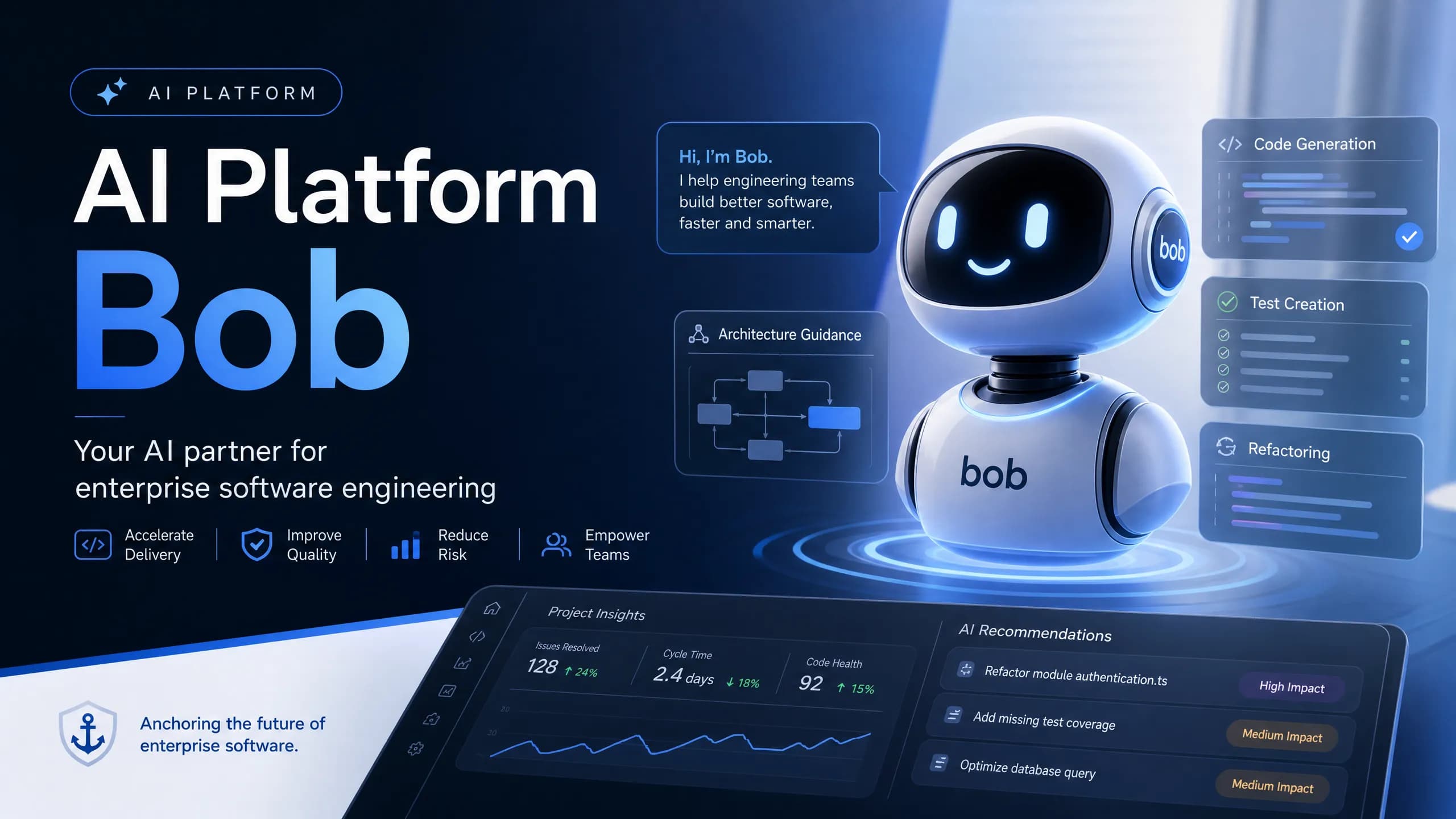
AI Platform Bob: Revolutionizing SDLC Cost Regulation
Discover how IBM's AI platform Bob is transforming software development lifecycle (SDLC) governance and cost regulation for enterprises.
Malik Farooq/
AI Transforming Business Strategy
Explore how AI is transforming business strategy with agentic AI governance and its impact on enterprise readiness.
Malik Farooq/
Back to archive
Share