- Malik Logix
- Posts
- AI Diagnoses More Accurate Than Doctors
AI Diagnoses More Accurate Than Doctors
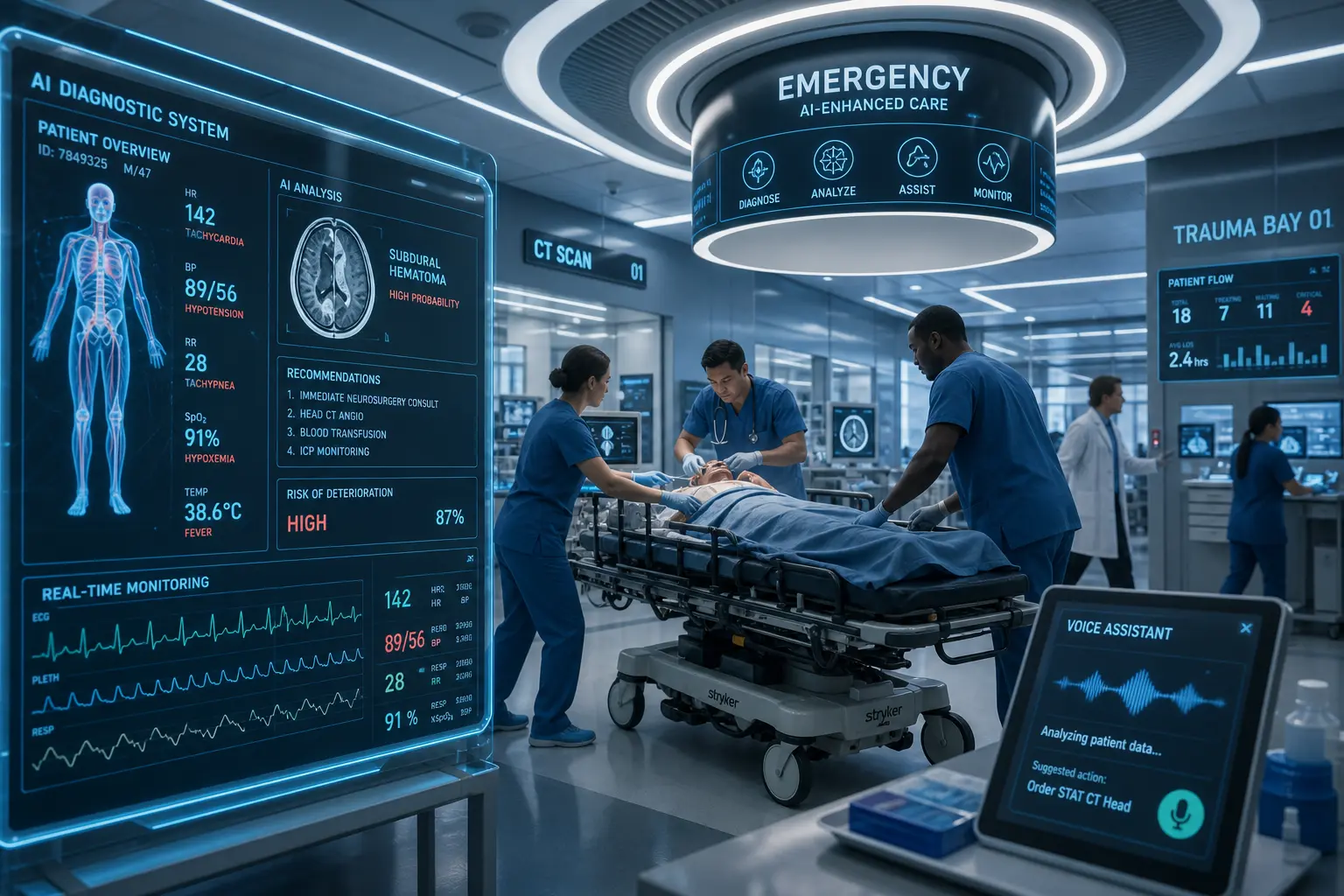
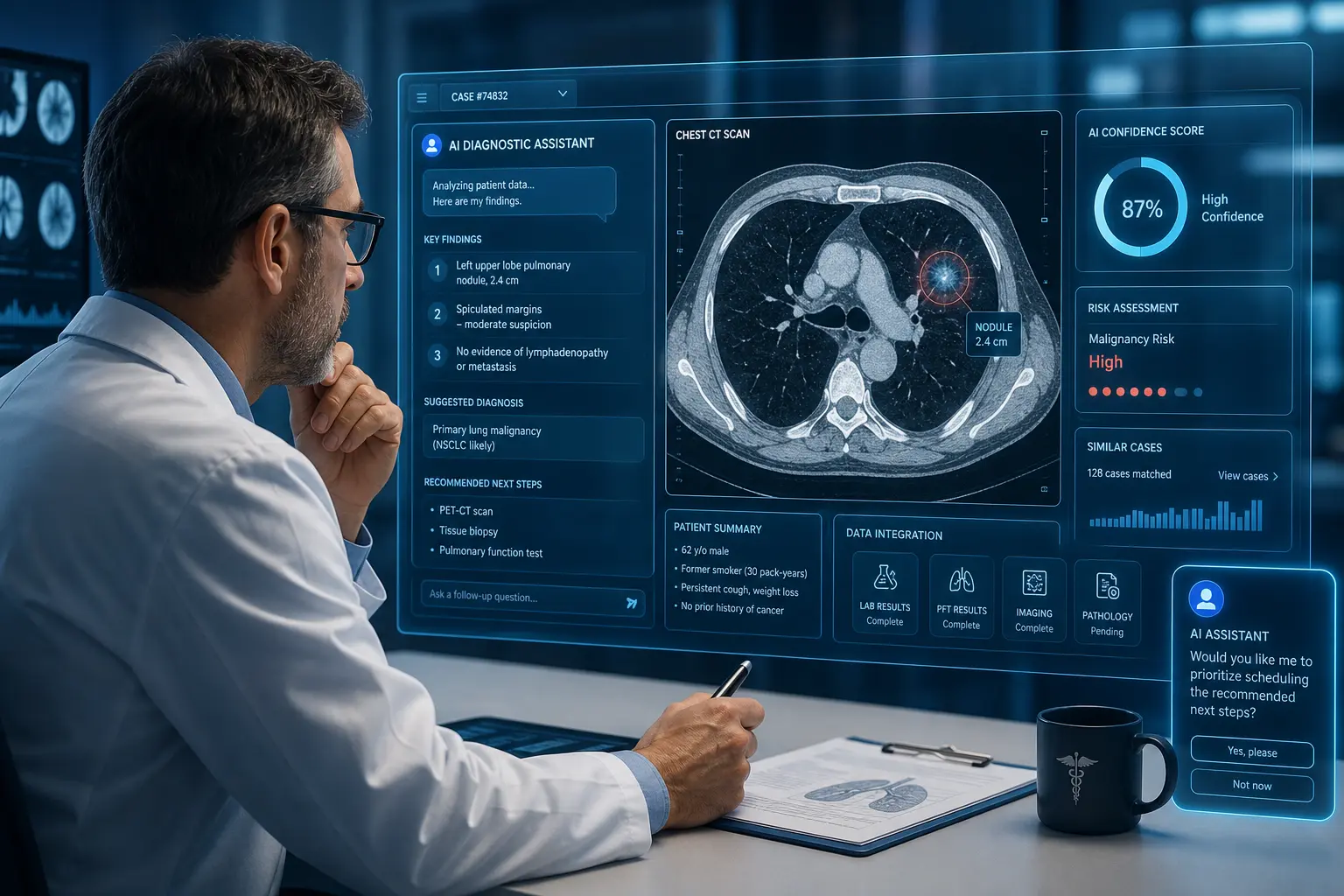
A Harvard study reveals that AI models can provide more accurate emergency room diagnoses than human doctors, highlighting the transformative potential of AI in healthcare.

Malik Farooq
May 3, 2026

Deep Dive
The Dawn of AI in Emergency Medicine: A Paradigm Shift
Unpacking the Harvard Study: Methodology and Findings
- Superior AI Performance: The o1 model consistently demonstrated diagnostic accuracy that was either nominally better than or on par with both human attending physicians and the 4o model.
- Critical at Triage: The differences in accuracy were most pronounced during the initial ER triage, a phase characterized by limited patient information and urgent decision-making. In this critical window, the o1 model achieved an exact or very close diagnosis in 67% of cases, significantly surpassing the 55% and 50% accuracy rates of the two human physicians.
- Unprocessed Data Input: Researchers emphasized that the AI models were fed raw, unprocessed data directly from electronic medical records, mirroring the information available to human doctors at the time of diagnosis. This approach underscores the AI's ability to process and interpret complex medical data effectively without human intervention in data preparation.
Implications and Future Directions
Challenges and Considerations
- Text-Based Limitations: The study primarily focused on AI's performance with text-based information. The researchers acknowledged that current foundation models may have limitations in reasoning over non-text inputs, such as medical imaging or other visual data. Further research is needed to assess AI's comprehensive diagnostic capabilities across all data modalities.
- Accountability Frameworks: Adam Rodman, a Beth Israel doctor and co-author, raised concerns about the absence of a formal accountability framework for AI diagnoses. Patients, he noted, still desire human guidance in critical medical decisions, underscoring the need for clear ethical guidelines and legal precedents.
- Specialty-Specific Nuances: Kristen Panthagani, an emergency physician, offered a critical perspective, suggesting that comparing AI diagnoses to those of internal medicine physicians, rather than ER specialists, might overhype AI's current capabilities in emergency settings. She emphasized that an ER doctor's primary goal is to rule out life-threatening conditions, not necessarily to arrive at a definitive ultimate diagnosis.
Conclusion: A Collaborative Future for AI and Medicine
References
Ready to master AI?
Join 1,000+ professionals getting the edge in AI marketing. 3 minutes a day to 10x your growth.
Join Free NowKeep reading

AI Governance Securing Profit Margins
Discover how robust AI governance frameworks are becoming critical for enterprises to secure profit margins and mitigate operational risks in the era of autonomous AI systems.
Best AI Dictation Apps Ranked
Explore the top AI-powered dictation apps of 2025, tested and ranked for accuracy, features, and privacy, transforming how we convert speech to text.

Big Tech AI Infrastructure Spending
Explore how major tech companies like Microsoft, Alphabet, Meta, and Amazon are seeing significant returns on their massive AI infrastructure investments, driving an accelerated AI spending supercycle.