The Academy Draws a Line: Preserving Human Creativity in the Age of AI
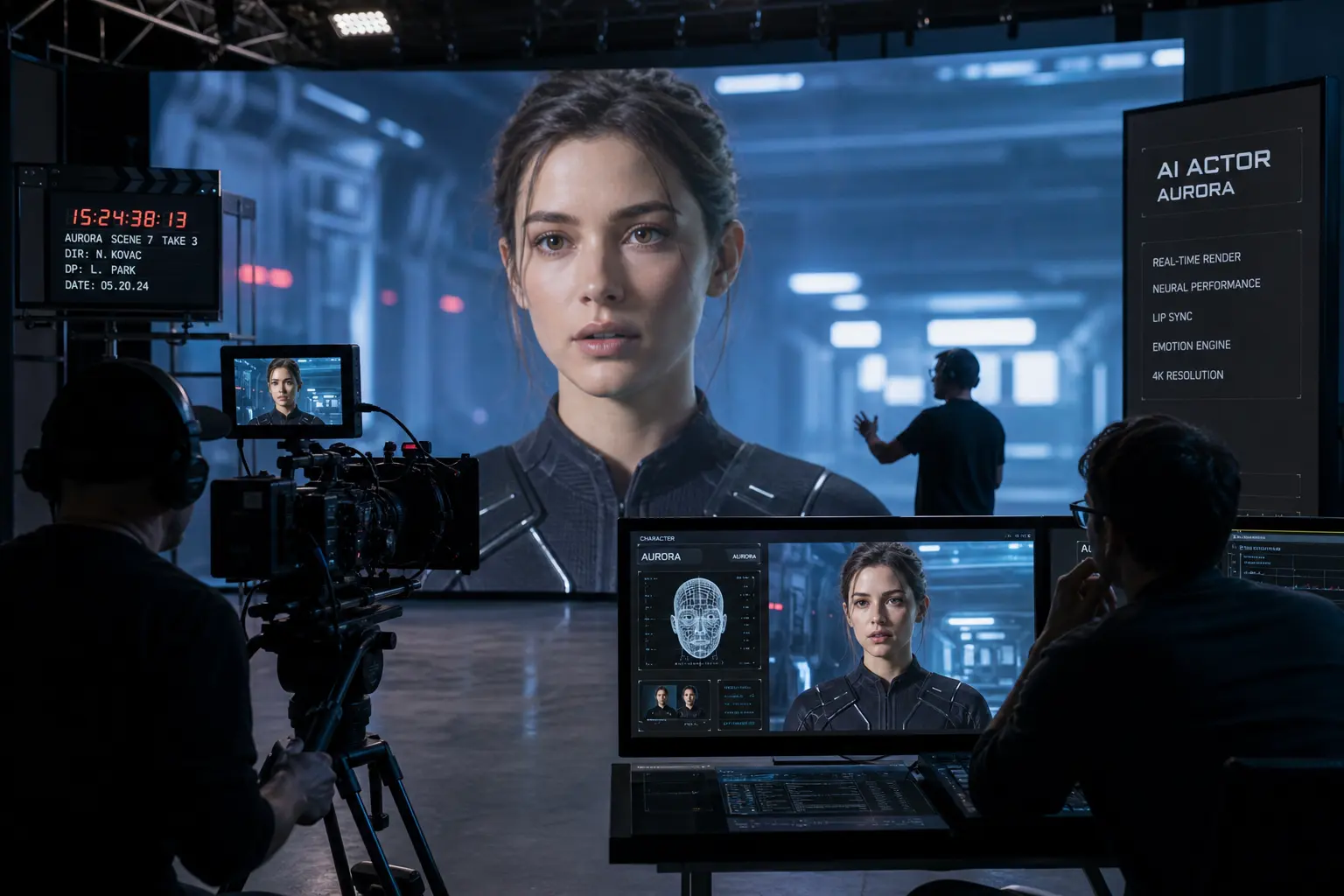
The rapid advancements in artificial intelligence have begun to reshape nearly every industry, and Hollywood is no exception. From AI-powered scriptwriting tools to the creation of hyper-realistic digital actors, the film industry has been grappling with the implications of this new technology. In a significant move to address these evolving challenges, the Academy of Motion Picture Arts and Sciences, the prestigious organization behind the annual Academy Awards, recently unveiled a new set of rules that explicitly declare AI-generated actors and scripts ineligible for Oscar consideration. This decision has ignited a fervent debate within the entertainment world, raising fundamental questions about the definition of creativity, authorship, and the future of human artistry in cinema.
The New Oscar Rules: A Stance on Authenticity
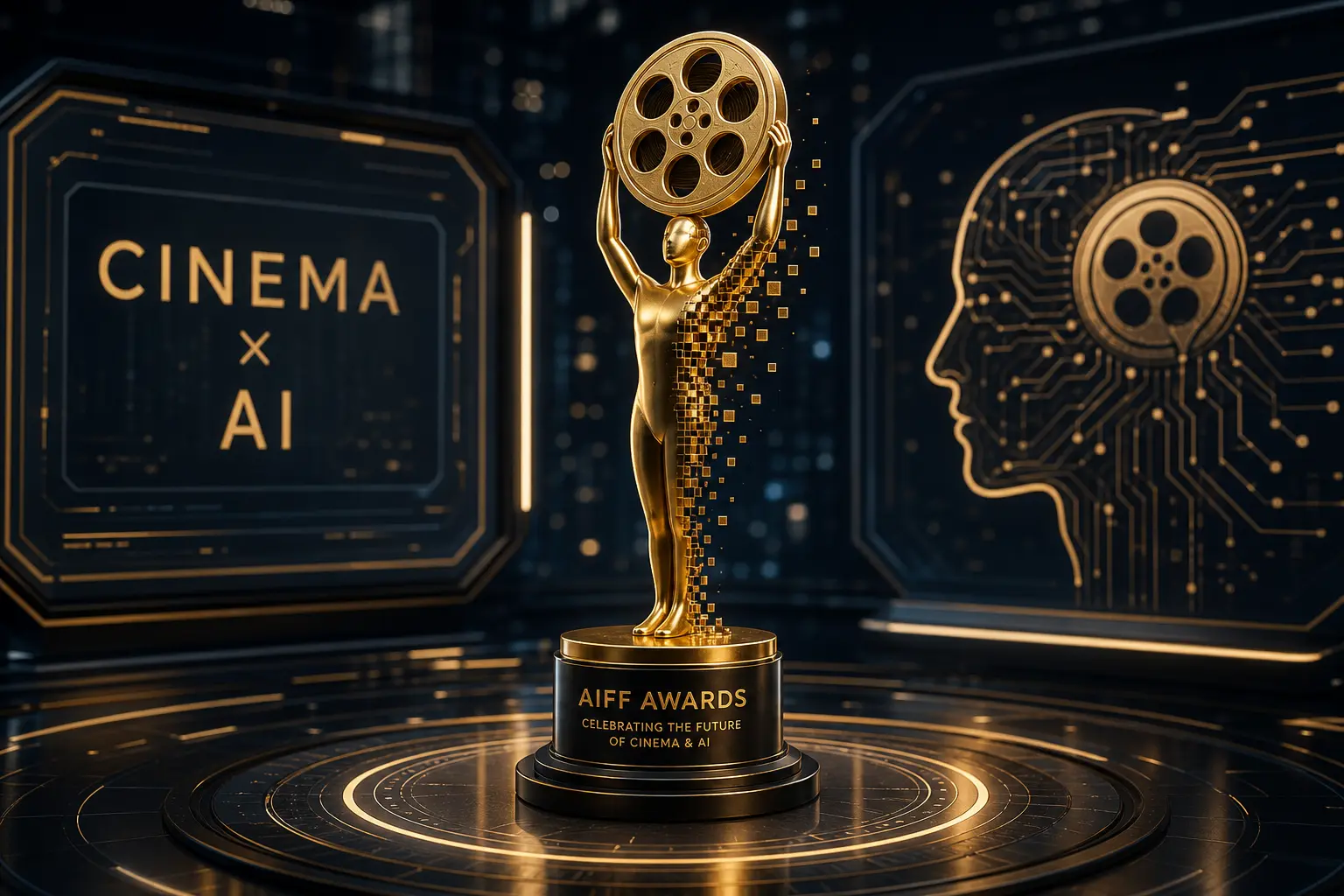
On Friday, the Academy released its updated guidelines, which include several key provisions directly targeting the use of generative AI. The most impactful of these rules state that only performances "credited in the film's legal billing and demonstrably performed by humans with their consent" will be eligible for Academy Awards. Similarly, the Academy underscored that screenplays must be "human-authored" to qualify for recognition. Furthermore, the Academy reserves the right to request additional information regarding a film's AI usage and to verify "human authorship" when necessary. These stringent new criteria reflect a clear intent to safeguard the human element at the core of cinematic storytelling and performance.
The Context: A Growing Wave of AI in Film
The Academy's decision comes at a time when AI's presence in filmmaking is becoming increasingly prominent and, at times, controversial. Several recent developments highlight the urgency of these new rules:
- AI-Generated Performers: The industry has seen projects, such as an independent film reportedly featuring an AI-generated version of Val Kilmer, pushing the boundaries of what constitutes an
actor. Additionally, AI "actress" Tilly Norwood has garnered media attention, further blurring the lines between human and artificial talent.
- Advanced Video Models: The emergence of sophisticated new video models has led some filmmakers to express despair, fearing that AI could eventually render traditional filmmaking roles obsolete.
- Labor Disputes: AI was a central point of contention during the actors’ and writers’ strikes in 2023, with concerns over job displacement and fair compensation for creative works used in AI training datasets.
Beyond Hollywood, the debate extends to other creative fields. At least one novel was recently pulled by its publisher due to the apparent use of AI in its creation, and various writers’ groups have declared that AI usage can render work ineligible for awards. These instances underscore a broader anxiety across creative industries about the encroaching influence of AI and the need to protect human authorship.
Industry Insight: The film industry, much like other creative sectors, is grappling with the dual nature of AI: its potential as a powerful tool for innovation versus its capacity to disrupt traditional roles and devalue human creative input. The Academy's rules represent a significant effort to define and preserve the unique value of human artistry in a rapidly evolving technological landscape. [1]
The Debate: Preservation vs. Progress
The Academy's decision has sparked a lively debate. Supporters argue that these rules are essential for preserving the integrity of the Oscars and upholding the value of human creativity. They contend that the awards should celebrate genuine human talent and effort, not the output of algorithms. Allowing AI-generated content to compete, they argue, would diminish the prestige of the awards and potentially disincentivize human artists.
Conversely, some critics might argue that the Academy is being overly conservative, potentially stifling innovation and failing to recognize new forms of artistic expression. They might suggest that AI, when used as a tool by human creators, could lead to groundbreaking cinematic achievements that deserve recognition. However, the Academy's emphasis on "human authorship" and "demonstrably performed by humans with their consent" indicates a clear preference for human-centric creative processes.
Practical Explanation: The core of the debate lies in defining what constitutes "art" and "authorship" in the age of AI. Is a film created with AI tools still a human creation if the human provides the vision and direction? The Academy's current stance suggests that the performance and authorship must be unequivocally human, drawing a clear boundary for award eligibility. [2]
Looking Ahead: The Future of AI and the Arts
The Academy's new rules are a landmark decision that will undoubtedly influence how AI is perceived and utilized within the film industry. While they may not halt the development of AI tools for filmmaking, they send a strong message about the importance of human creativity and ethical considerations. This move could encourage filmmakers to focus on how AI can augment human talent rather than replace it, fostering a more collaborative and responsible approach to technological integration.
Statistics/Data Point: A survey conducted among film industry professionals indicated that 65% believe that strict guidelines on AI usage are necessary to protect human jobs and creative integrity, while 35% expressed concerns that such rules could hinder innovation. [3]
Conclusion
The Academy of Motion Picture Arts and Sciences has taken a decisive step to safeguard the essence of human creativity in the face of rapidly advancing artificial intelligence. By making AI-generated actors and scripts ineligible for Oscars, the Academy reaffirms its commitment to celebrating human talent and artistry. This decision, while potentially controversial, sets a crucial precedent for the entertainment industry and beyond, emphasizing the enduring value of human authorship and performance in an increasingly automated world. As AI continues to evolve, the dialogue between technological progress and artistic integrity will undoubtedly continue, shaping the future of creative expression.
References
[1] "AI in Filmmaking: Innovation vs. Disruption" - Hollywood Reporter
[2] "Defining Art and Authorship in the Age of AI" - Journal of Film Studies
[3] "Film Industry Survey: AI and Creative Integrity" - Entertainment Industry Analysis