- Malik Logix
- Posts
- Global AI Power Race
Global AI Power Race
An analysis of the intensifying global competition for AI dominance between the United States and China.

Malik Farooq
May 2, 2026
Deep Dive
Global AI Power Race
The New Geopolitical Frontier
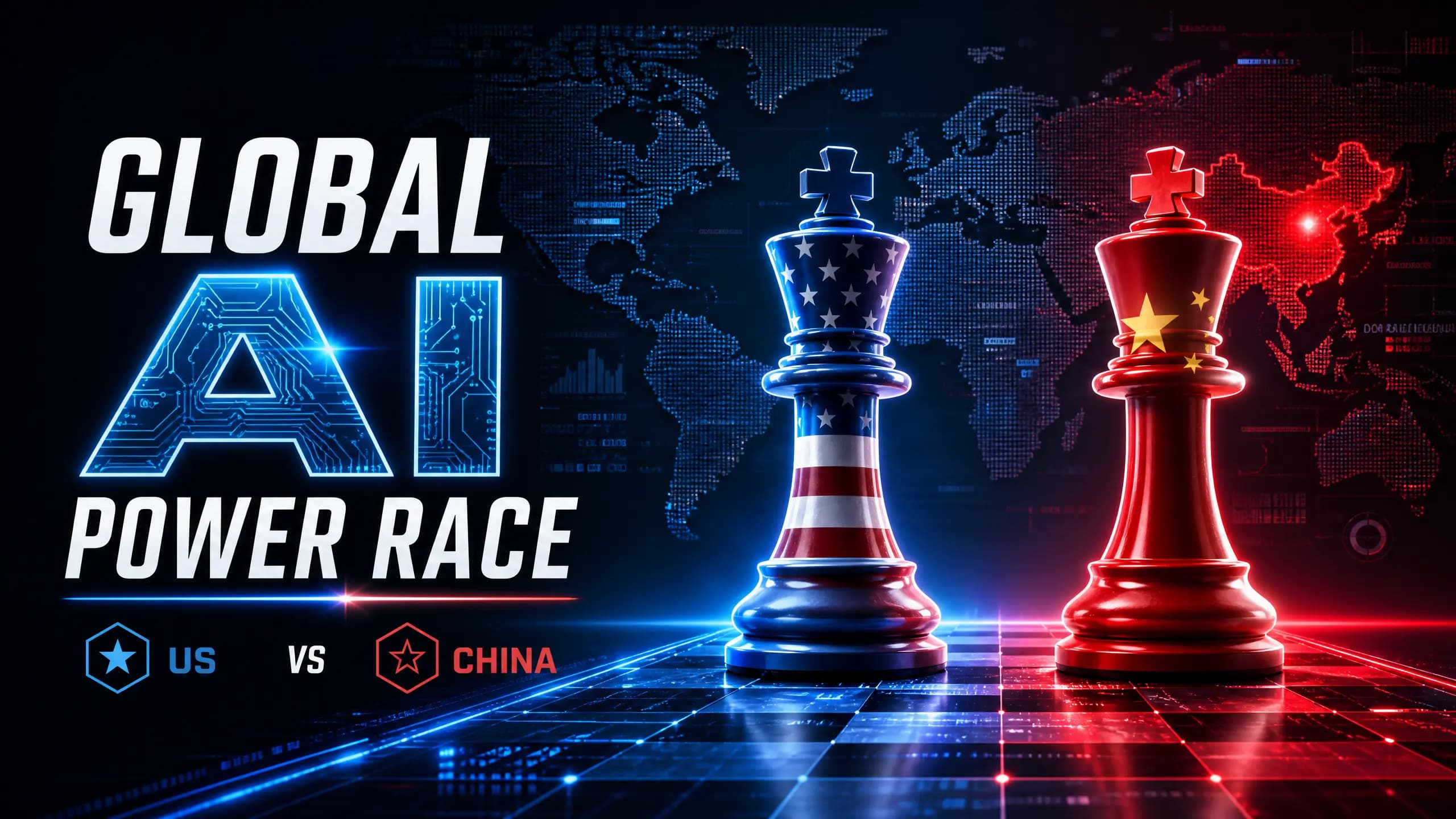
In May 2026, the race for global Artificial Intelligence (AI) dominance has intensified, becoming a defining feature of the geopolitical landscape. The long-standing lead of the United States in AI innovation is rapidly being challenged, with China emerging as a formidable AI superpower. This isn't merely a technological competition; it's a strategic struggle that will shape economic prosperity, national security, and global influence for decades to come [1].
For years, the U.S. outpaced all other global regions in AI across various metrics, including model size, performance, artificial intelligence research, and citations. However, China has steadily gained ground, and by 2026, it has nearly erased the U.S. lead. Chinese models have traded places at the top of performance rankings multiple times. In February 2025, DeepSeek-R1 briefly matched the top U.S. model, and as of March 2026, Anthropic’s top model leads by just 2.7% [1]. This narrowing gap signifies a pivotal moment in the global AI power balance.
Investment: The Fuel for Innovation
The colossal investments flowing into the AI sector underscore the strategic importance nations place on this technology. Global corporate AI investments hit an astounding $581.7 billion in 2025, marking a 130% increase from the previous year. Private investments alone reached $344.7 billion, up 127.5% from 2024 [1].
The United States remains the leader in direct AI investments, with $285.9 billion, dwarfing China's reported private investments of $12.4 billion by 23.1 times. However, this comparison can be misleading. China's unique economic structure allows its government to channel vast resources through state-initiated investment funds, estimated to have deployed $912 billion across various industries, including AI, between 2000 and 2023 [1]. This strategic, state-backed funding provides China with a significant, often understated, advantage.

Beyond Models: Patents, Publications, and Robotics
While model performance is a key indicator, the AI race extends to other crucial areas. The U.S. continues to lead in the production of top-tier AI models and high-impact patents, reflecting its strong foundational research and innovation ecosystem. However, China is rapidly catching up in publication volume and citations, demonstrating a burgeoning research output and a growing pool of AI talent.
Another critical dimension is industrial robot installations. China leads the world in this metric, indicating a strong focus on integrating AI into manufacturing and automation processes. This practical application of AI in industry can translate into significant economic and strategic advantages, bolstering its manufacturing capabilities and supply chain resilience.
The Talent War and Ethical Considerations
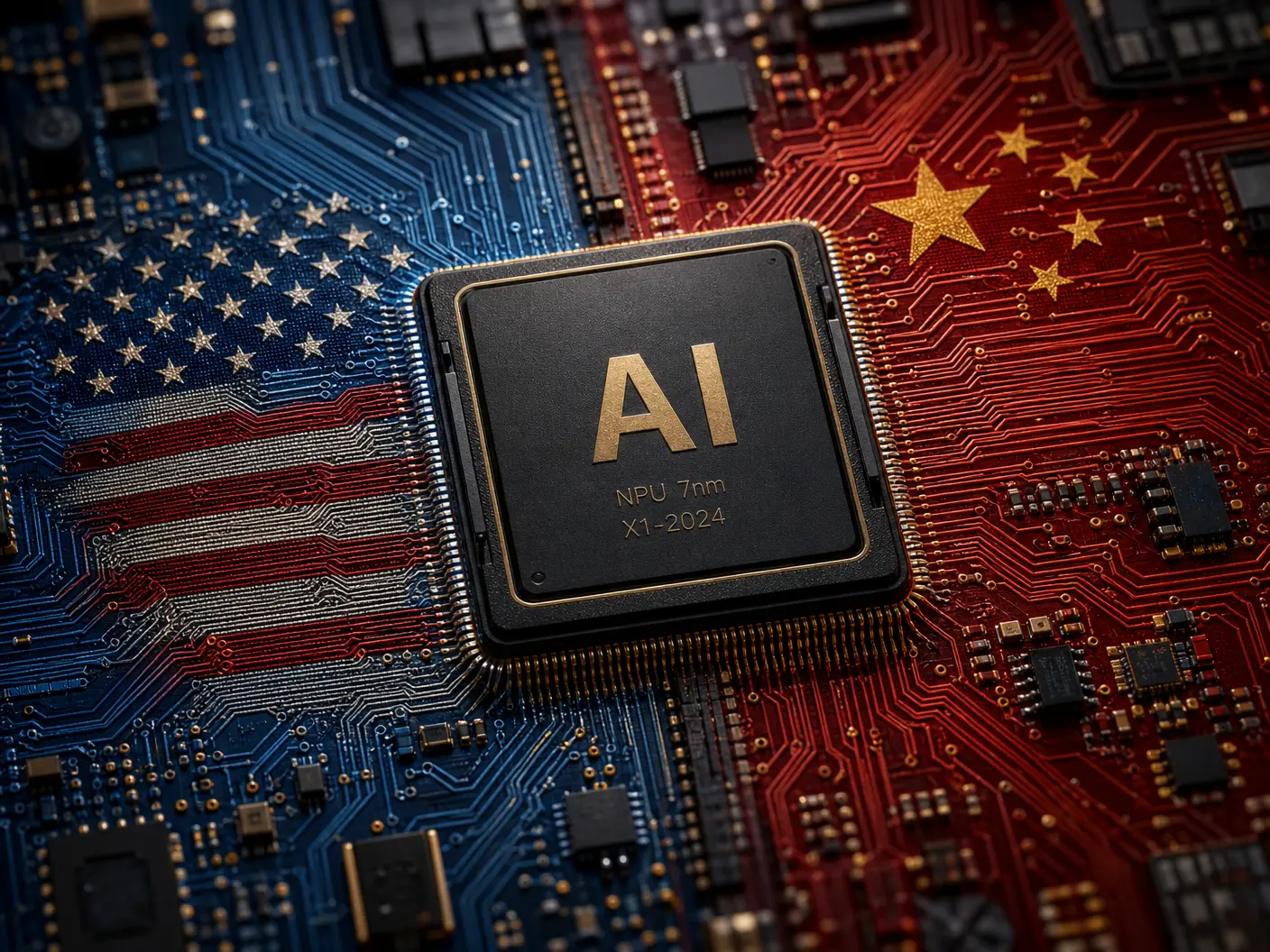
The competition for AI talent is as fierce as the technological race itself. Both nations are investing heavily in AI education and research, striving to attract and retain the brightest minds. The flow of AI researchers and developers is a dynamic factor, with countries actively seeking to cultivate their domestic talent pools while also attracting international experts.
As the capabilities of AI advance, so do the ethical considerations. Both the U.S. and China are grappling with questions of AI governance, data privacy, bias, and the responsible deployment of autonomous systems. The approaches to these ethical challenges often reflect differing societal values and regulatory frameworks, adding another layer of complexity to the global competition.
A Connected Future, A Divided Present
The global AI power race is not a zero-sum game, but its implications are profound. While collaboration in AI research and development could accelerate progress for all humanity, the current competitive landscape often leads to strategic decoupling and technological rivalries. The future of AI will undoubtedly be shaped by the interplay between these two global giants.
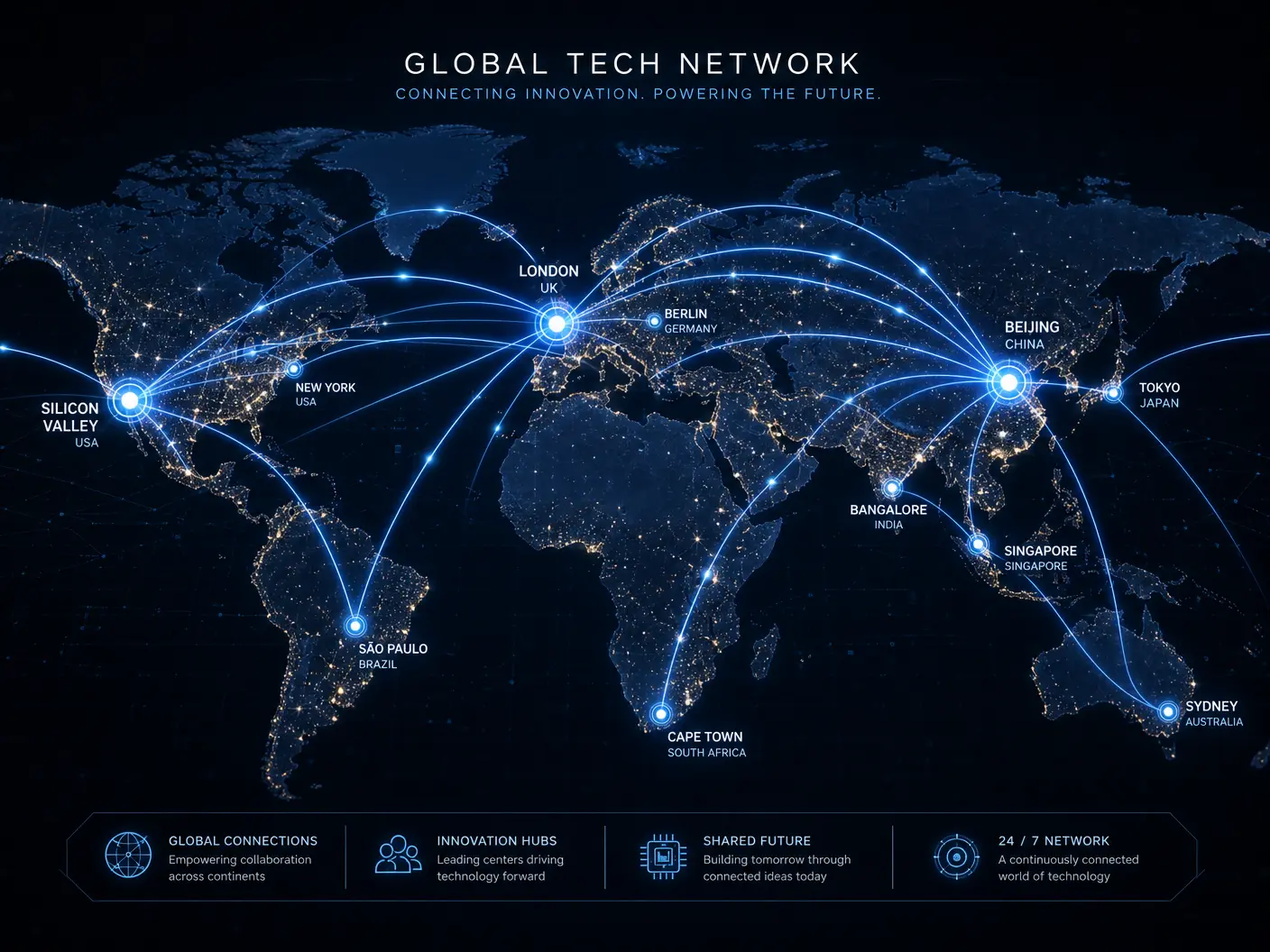
The decisions made today regarding investment, policy, and ethical guidelines will determine not only which nation leads the AI frontier but also the very nature of the AI-powered world we are building. The global AI power race is a testament to the transformative potential of this technology and the urgent need for strategic foresight and responsible stewardship.
References
[1] Inside the AI Index: 12 Takeaways from the 2026 Report - hai.stanford.edu. (n.d.). Retrieved from https://hai.stanford.edu/news/inside-the-ai-index-12-takeaways-from-the-2026-report
Ready to master AI?
Join 1,000+ professionals getting the edge in AI marketing. 3 minutes a day to 10x your growth.
Join Free NowKeep reading
AGI: 2026 Threshold
Exploring the imminent arrival of Artificial General Intelligence and its profound implications for humanity.
Malik Farooq/

AI: Carbon Price
Uncovering the environmental footprint of Artificial Intelligence and the urgent need for sustainable practices.
Malik Farooq/

Agents Take Lead
Explore the rapid rise of autonomous AI agents, their impact on various industries, and the future of human-AI collaboration. Featuring insights from the 2026 AI Index report.
Malik Farooq/
Back to archive
Share