LG and NVIDIA: Forging the Future of Physical AI and Data Centers
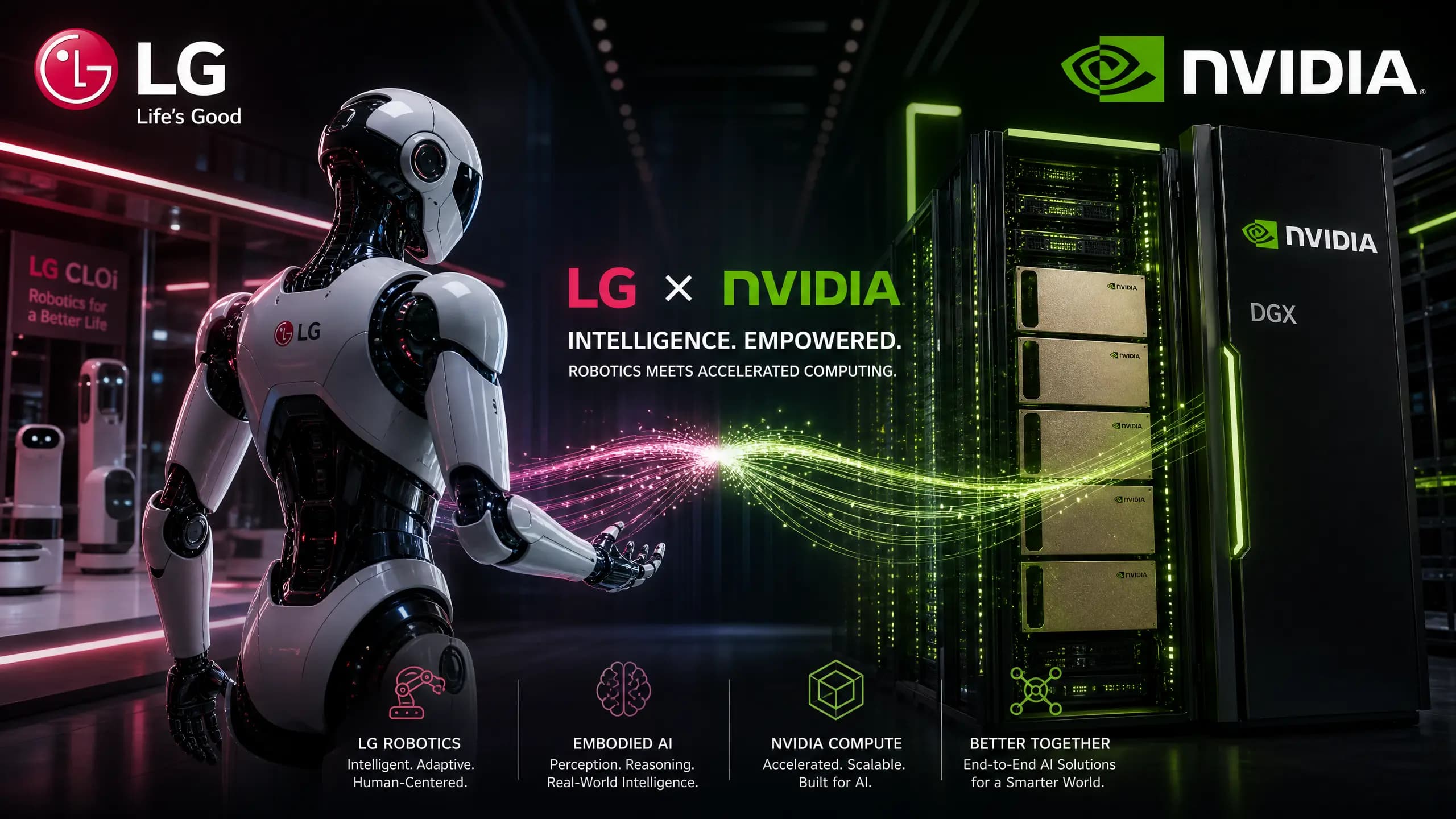
The convergence of Artificial Intelligence with the physical world, often termed "physical AI," is poised to revolutionize industries from manufacturing to consumer electronics. At the forefront of this transformation are strategic collaborations between technology giants like LG and NVIDIA. Recent exploratory discussions between these two powerhouses concerning physical AI, data centers, and mobility underscore the intricate operational dependencies and substantial capital expenditure required to bring autonomous systems from simulation to real-world deployment. This article delves into the key takeaways from these discussions, highlighting the challenges and opportunities in building the infrastructure for a physically intelligent future.
The Physics of Compute: Overcoming Data Center Limitations
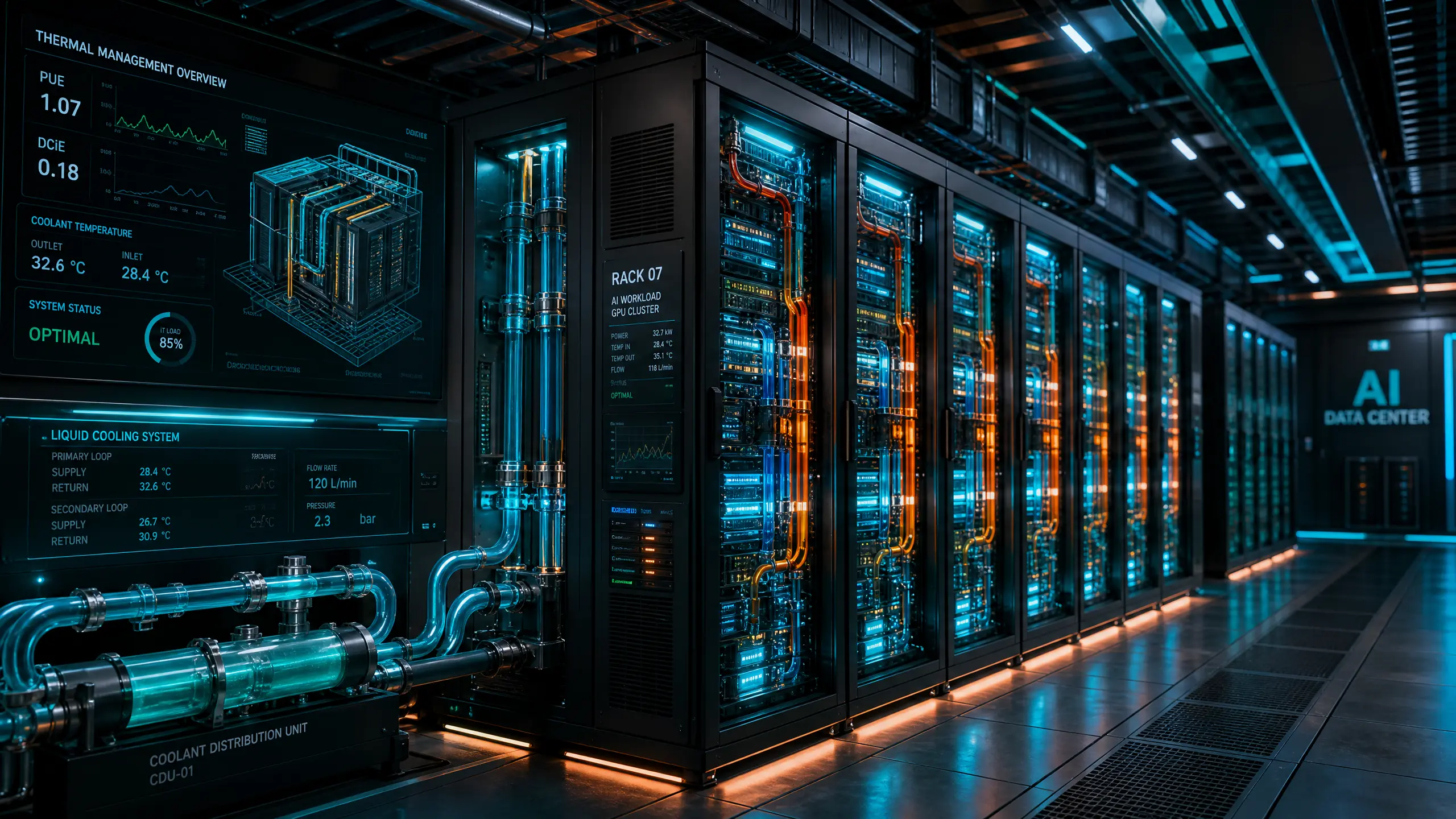
The densification of compute clusters, essential for complex machine learning models, presents a significant physics problem. NVIDIA's data center business, while generating record revenues, faces the challenge of conventional cooling infrastructure struggling to keep pace with high-density server racks. As power density in data centers continues to explode, traditional air cooling methods are proving increasingly inadequate. When server farm temperatures exceed safe thresholds, compute nodes throttle performance, directly impacting the return on investment for high-end silicon.
LG is strategically positioning itself to address this critical bottleneck. At CES 2026, LG showcased its commercial divisions' capabilities in supplying high-efficiency HVAC and thermal management solutions specifically engineered for AI data centers. Integrating LG's advanced thermal hardware directly into NVIDIA's infrastructure ecosystem offers a compelling solution. This synergy allows facility operators to pack more processing power into smaller footprints without compromising hardware integrity or performance. For LG, this collaboration signifies a strategic entry into a lucrative technology ecosystem, generating recurring enterprise revenue by complementing the compute layer rather than directly competing within it. This broader push into connected enterprise systems is further evidenced by LG subsidiary LG CNS's sponsorship of the IoT Tech Expo North America, signaling aggressive expansion across smart infrastructure.
Hardware Actuation and Edge Inference: Bridging the Physical-Digital Divide
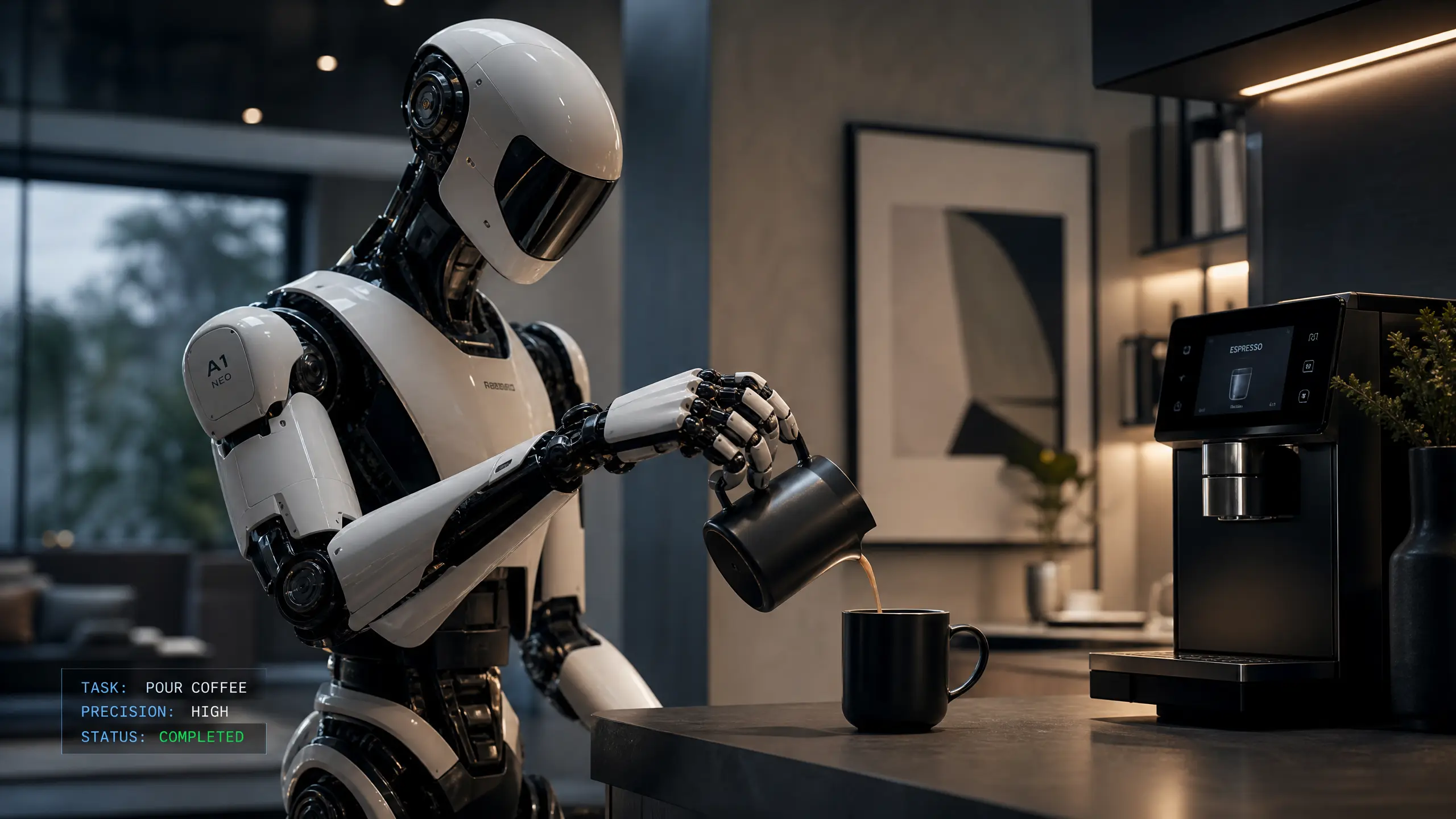
Beyond server infrastructure, the discussions between LG and NVIDIA aim to resolve the computational latency inherent in autonomous consumer hardware. LG's future growth strategy heavily relies on automating household manual and cognitive workloads. A prime example is CLOiD, LG's home robot, featuring advanced articulation with seven degrees of freedom and five individually-actuated fingers per hand. This sophisticated hardware runs on LG's 'Affectionate Intelligence' platform, designed for contextual awareness and continuous environmental learning.
Translating a computational command into precise physical movement demands a flawless, zero-latency inference pipeline. When a robot reaches for an object, it must process real-time visual data, query local vector databases to identify object properties, and calculate the exact grip force required—all instantaneously. Any miscalculation within this inference pipeline risks physical damage to the user's environment. LG currently faces a gap in digital twin infrastructure, pre-trained manipulation models, and secure simulation environments necessary to compress this deployment pipeline. NVIDIA's Omniverse and Isaac robotics stack provides this crucial architecture, optimized for real-time physical AI inference at the edge.
By leveraging NVIDIA's edge-compute capabilities, LG can process complex spatial variables locally, significantly reducing the cloud compute costs associated with continuous spatial mapping and video ingestion. This proven pipeline accelerates the transition from prototype to full commercial production, enabling LG to bring advanced robotics to market more efficiently and safely.
Mass Market Ingestion and Simulation Environments: Real-World Training for AI
NVIDIA is actively validating its robotics stack through real-world applications. A recent two-week Siemens factory trial in January 2026, announced at Hannover Messe in April, saw a Humanoid HMND 01 Alpha successfully execute live logistics operations over an eight-hour period. However, factory floors, while complex, are highly structured and regulated environments. Consumer living rooms, in contrast, present extreme variability, dynamic lighting conditions, and unpredictable human interaction—a far more challenging environment for autonomous systems.
Accessing LG's ThinQ ecosystem and its vast mass-market distribution provides NVIDIA with an invaluable data-rich training environment. Bringing robots into homes necessitates training models on actual domestic variability rather than relying solely on sterile simulations. This move beyond industrial settings into consumer electronics positions NVIDIA's Omniverse platform to become the universal development infrastructure for real-world autonomy, mirroring how its GPU architecture became dominant in cloud processing. This strategic alignment allows both companies to gather diverse, real-world data crucial for refining physical AI models.
Automotive Integration: Unifying In-Vehicle Intelligence
The final point of alignment between LG and NVIDIA lies in automotive integration. LG's automotive components division is one of its fastest-growing segments, producing in-vehicle infotainment systems, EV components, and advanced in-cabin generative platforms that incorporate gaze-tracking and adaptive displays. Concurrently, NVIDIA's DRIVE platform holds a massive deployment share in autonomous and semi-autonomous vehicle computing.
Automotive manufacturers frequently encounter challenges when attempting to bridge legacy infotainment systems with advanced autonomous compute nodes. Given that LG and NVIDIA already operate in adjacent layers within the same vehicle ecosystem, a formal collaboration would seamlessly unite LG's interior experience layer with NVIDIA's underlying compute platform. This unification offers significant advantages for fleet operators, allowing them to standardize reference architectures, reduce engineering hours spent on custom API integrations, and establish a unified pathway for over-the-air machine learning updates. These exploratory talks are thus defining the precise hardware and processing requirements necessary to execute physical AI reliably and at scale across multiple critical sectors.
Conclusion:
The discussions between LG and NVIDIA highlight a pivotal moment in the development and deployment of physical AI. By addressing the fundamental challenges of data center cooling, edge inference, real-world simulation, and automotive integration, these companies are laying the groundwork for a future where autonomous systems seamlessly interact with our physical environment. This collaboration not only promises to accelerate technological advancements but also to establish new standards for efficiency, reliability, and safety in the burgeoning field of physical AI. The strategic alignment between LG's hardware and market reach with NVIDIA's AI computing prowess is a powerful indicator of the direction in which intelligent automation is heading.
Author: Malik AI Team
Date: 2026-05-04
References:
[1] Artificial Intelligence News. (n.d.).
What LG and NVIDIA’s talks reveal about the future of physical AI.
https://www.artificialintelligence-news.com/news/what-lg-and-nvidia-talks-reveal-future-of-physical-ai/