- Malik Logix
- Posts
- Physical AI Governance Questions
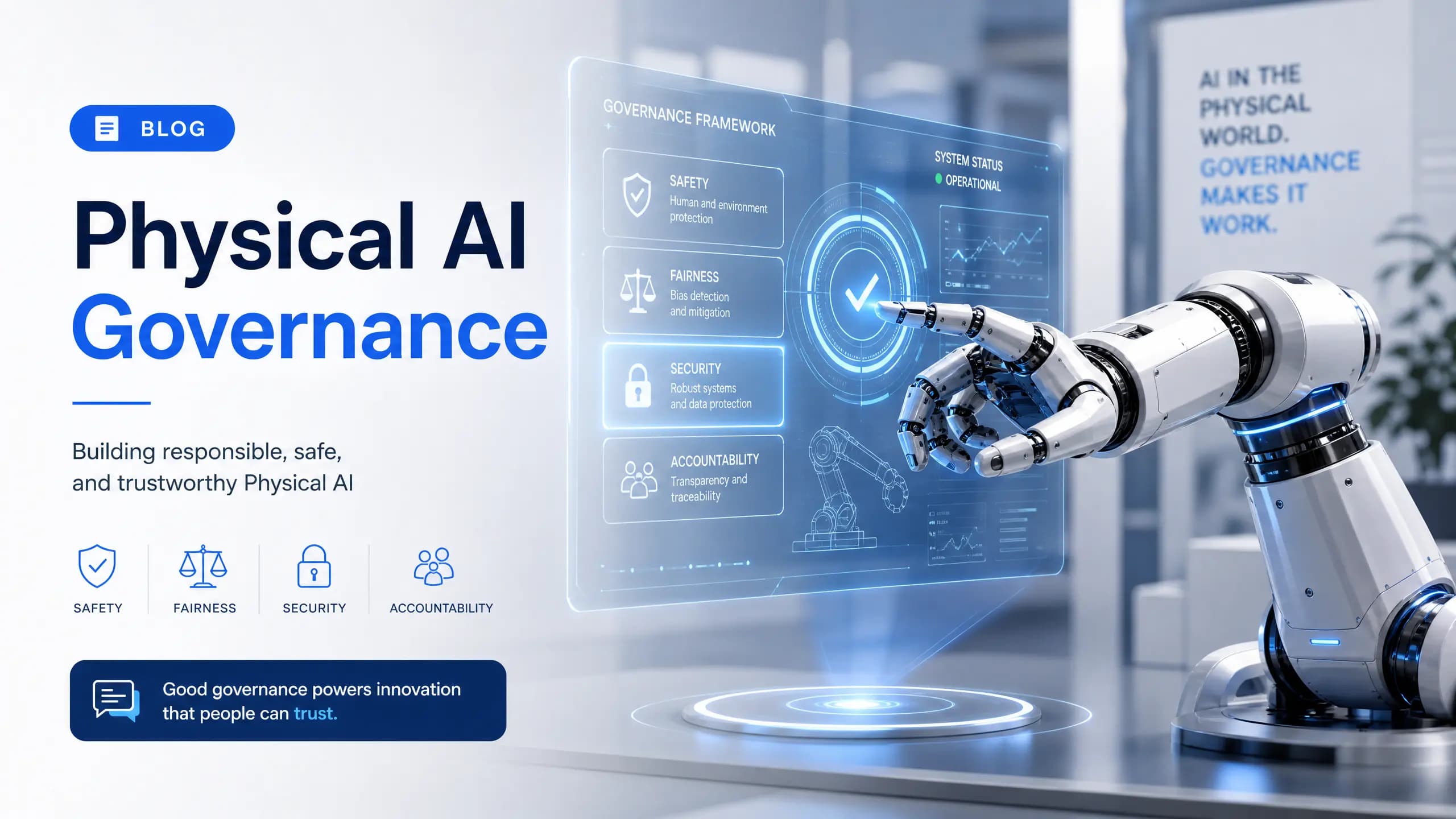
Physical AI Governance Questions
Explore how Physical AI raises governance questions for autonomous systems and the challenges in ensuring safety and control.

Malik Farooq
May 6, 2026
Deep Dive
Physical AI Governance Questions
Introduction
This introduction will highlight the growing importance of Physical AI and the unique governance challenges it presents, setting the stage for a detailed exploration of autonomous systems.
The Emergence of Physical AI and its Governance Complexities
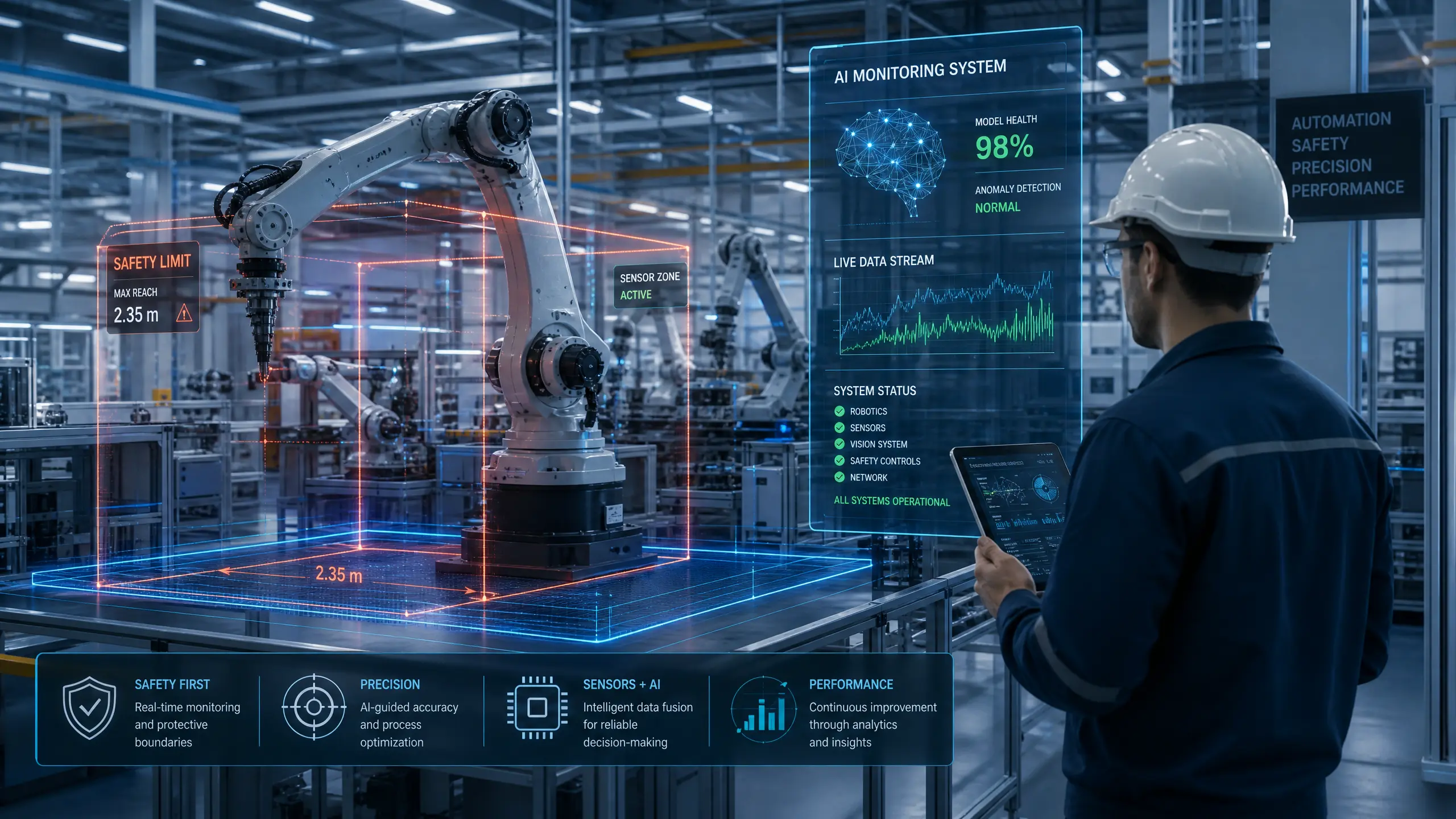
Physical AI, encompassing robotics, edge computing, and autonomous machines, is rapidly expanding its presence in industrial and daily life. Unlike software-only AI, Physical AI interacts directly with the real world, raising critical questions about how its actions are tested, monitored, and controlled, especially when operating near humans or critical infrastructure.
The Scale of Industrial Robotics
Industrial robotics provides a compelling backdrop for this discussion. The International Federation of Robotics reported a significant increase in industrial robot installations, with projections indicating continued growth. This expansion underscores the urgent need for robust governance frameworks that can keep pace with technological advancements.
Google DeepMind's Contributions to Embodied AI
Google DeepMind has been at the forefront of developing AI models for robotics, such as Gemini Robotics and Gemini Robotics-ER. These models are designed to control robots directly, enabling them to perform complex tasks and reason about their physical environment. This advancement necessitates a re-evaluation of traditional AI governance to include physical interactions and safety protocols.
Real-World Implications and Industry Insights
The governance of Physical AI has profound implications across various sectors. In manufacturing, autonomous robots require precise safety limits and escalation paths to prevent accidents. In logistics, self-driving vehicles need clear ethical guidelines and regulatory oversight to ensure public safety. The integration of AI into physical systems demands a holistic approach to governance that considers both digital and physical risks.
Statistics and Data Points
- Market Growth: Grand View Research estimates the global Physical AI market to reach nearly a trillion dollars by 2033, indicating massive growth and increased deployment of these systems.
- AI Trust Research: McKinsey's 2026 AI trust research highlights that only about one-third of organizations have mature governance strategies for AI, underscoring a significant gap in preparedness for autonomous functions.
- Robot Installations: The International Federation of Robotics projects industrial robot installations to exceed 700,000 units by 2028, demonstrating the rapid adoption of physical AI in industrial settings.
Practical Explanations: Crafting Governance for Physical AI
Developing effective governance for Physical AI involves several critical considerations:
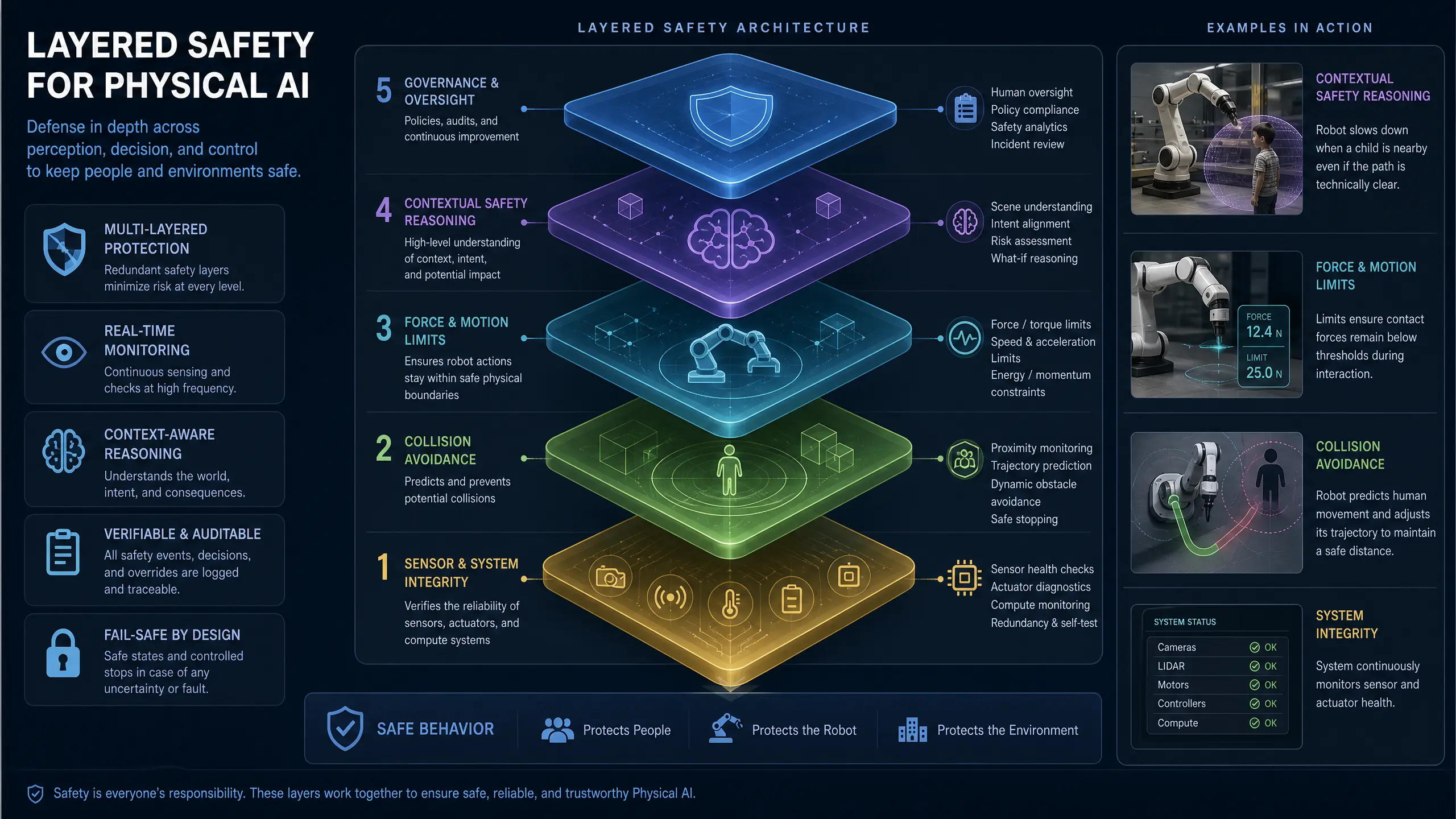
- Layered Safety Protocols: Implementing multi-layered safety measures, from collision avoidance to contextual safety reasoning, to ensure the secure operation of physical AI systems.
- Audit Trails for Physical Actions: Establishing comprehensive logging and audit trails for every physical action taken by an AI agent, enabling thorough post-incident analysis and accountability.
- Bounded Autonomy in Physical Space: Defining precise operational boundaries and decision-making parameters for physical AI to prevent unintended actions or movements.
- Human-in-the-Loop Mechanisms: Integrating clear escalation paths and human oversight for situations where physical AI systems encounter novel or high-risk scenarios.
Conclusion
Physical AI represents a new frontier in artificial intelligence, promising unprecedented automation and efficiency. However, its deployment necessitates a proactive and comprehensive approach to governance. By addressing the unique challenges posed by autonomous physical systems through layered safety protocols, robust audit trails, and clear boundaries, organizations can unlock the full potential of Physical AI while ensuring safety, ethical operation, and public trust. The ongoing work by entities like Google DeepMind in developing advanced robotics models, coupled with the insights from industry research, provides a roadmap for navigating this complex but promising landscape.
Ready to master AI?
Join 1,000+ professionals getting the edge in AI marketing. 3 minutes a day to 10x your growth.
Join Free NowKeep reading
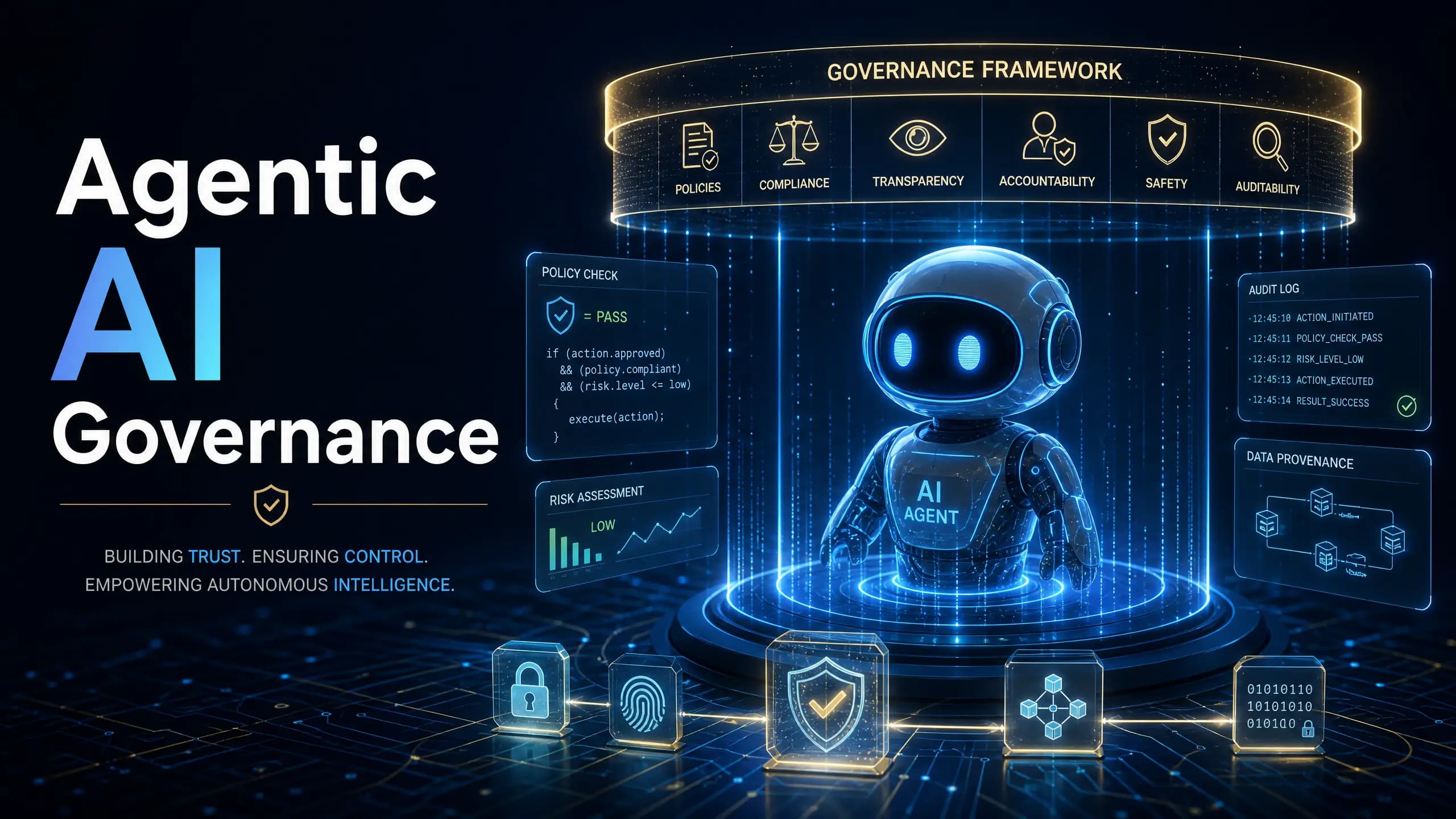
Agentic AI Governance Enterprise Readiness
Explore Google's innovative agentic AI governance platform and assess whether enterprises are truly prepared for the shift towards autonomous AI systems.
Malik Farooq/

AI Agents Interaction Infrastructure
Explore why AI agents require robust interaction infrastructure to prevent automation waste and ensure efficient, secure, and compliant operations in enterprise environments.
Malik Farooq/
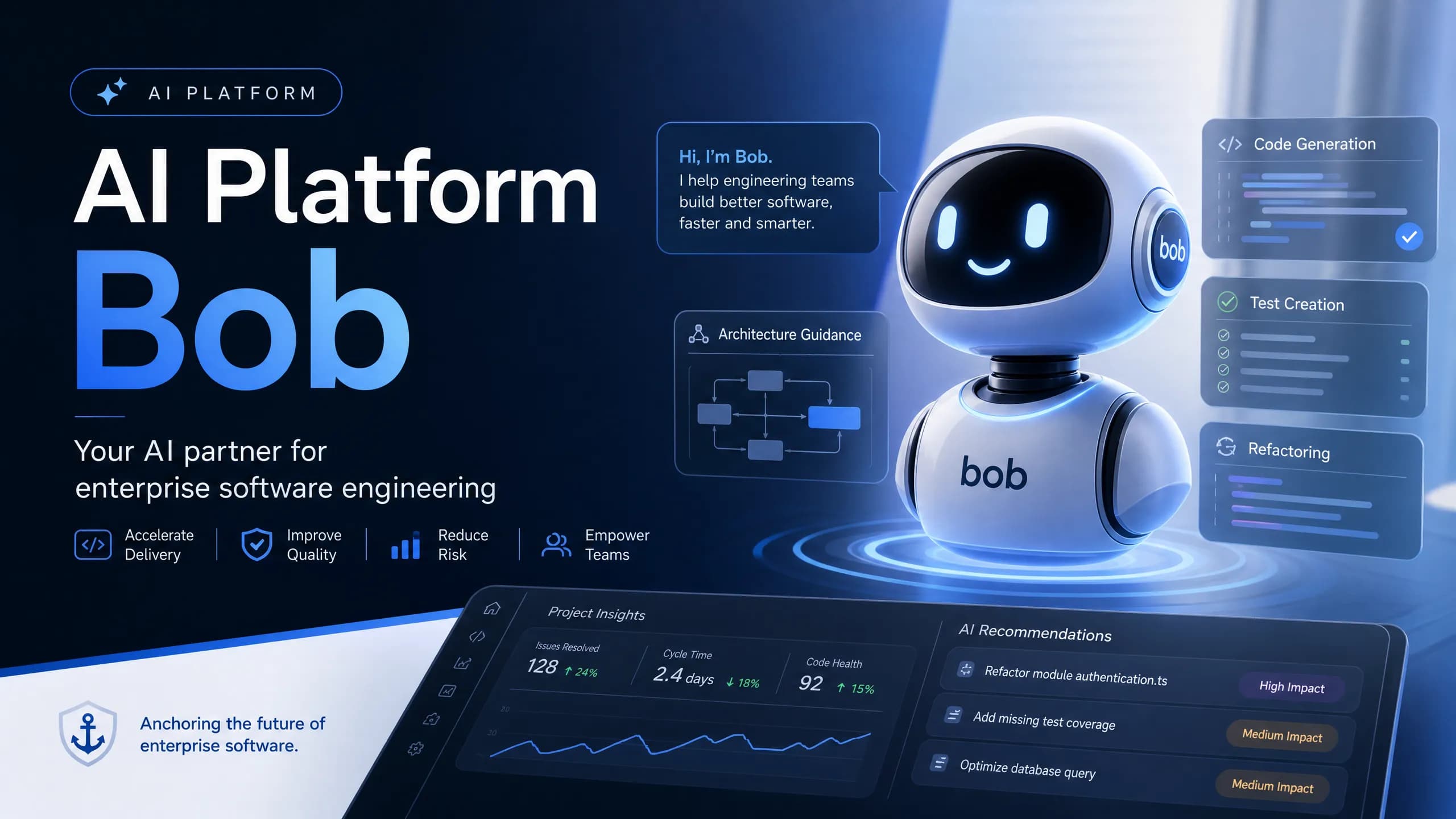
AI Platform Bob: Revolutionizing SDLC Cost Regulation
Discover how IBM's AI platform Bob is transforming software development lifecycle (SDLC) governance and cost regulation for enterprises.
Malik Farooq/
Back to archive
Share