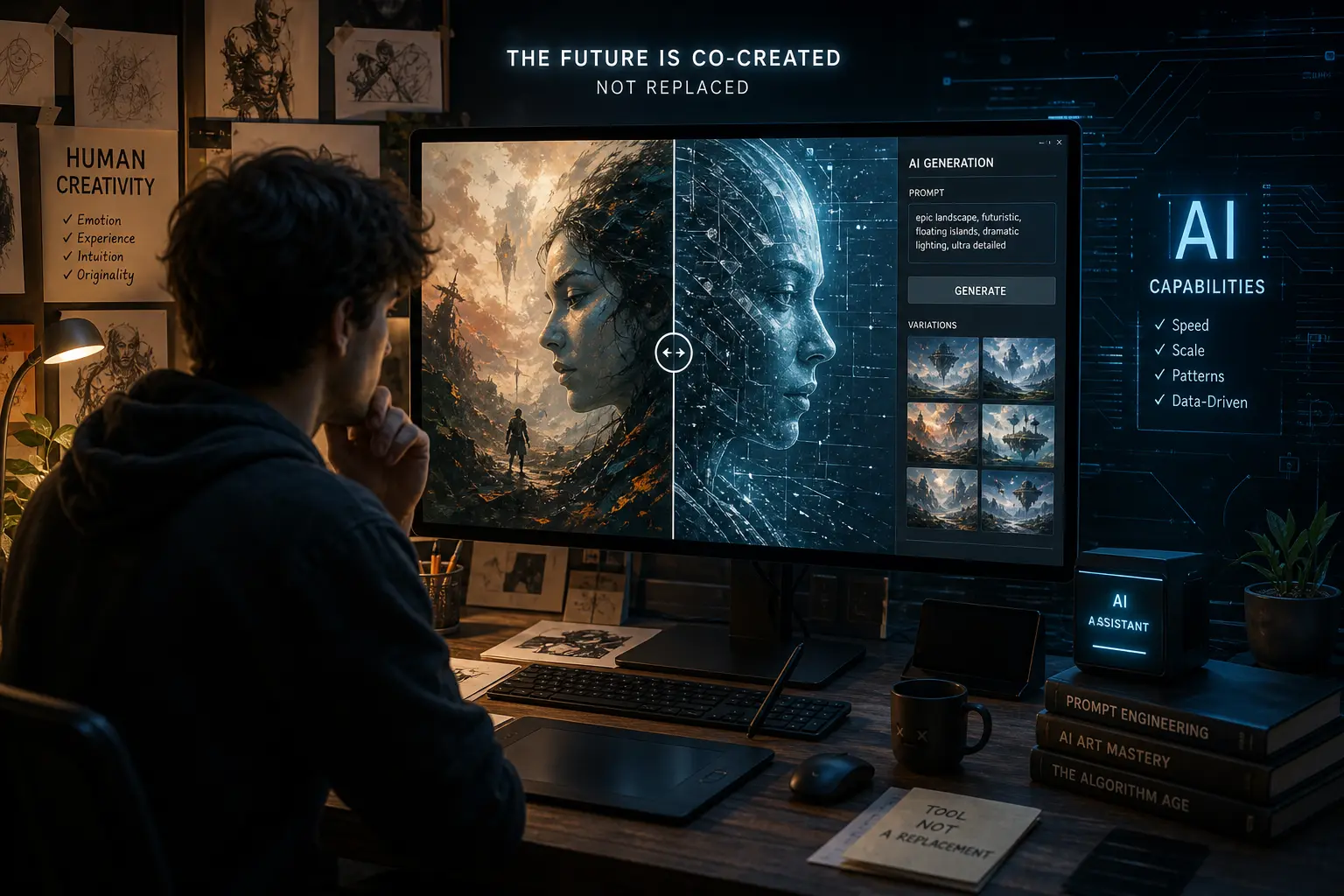
The Unsettling Reality of AI and Artistic Integrity
In an era where artificial intelligence is rapidly advancing, the lines between inspiration and appropriation are becoming increasingly blurred. A recent incident involving the renowned creator of the
iconic 'This is fine' meme, KC Green, and an AI startup named Artisan, has ignited a fresh debate on artistic integrity and intellectual property in the age of AI. Green alleges that Artisan utilized his copyrighted artwork in an advertisement without his consent, sparking outrage and calls for action within the creative community.
The 'This is Fine' Meme: A Cultural Phenomenon
For those unfamiliar, the 'This is fine' meme depicts an anthropomorphic dog calmly sipping coffee in a burning room, uttering the now-famous phrase. Originating from Green's webcomic 'Gunshow' in 2013, it has become a ubiquitous symbol of denial and acceptance in the face of overwhelming chaos. Its widespread use across social media, news outlets, and everyday conversations underscores its profound cultural impact. The meme's adaptability and resonance have made it one of the most enduring internet phenomena of the past decade, a testament to Green's insightful commentary on modern anxieties.
Artisan's Controversial Ad Campaign
Artisan, an AI startup, reportedly incorporated Green's artwork into an advertisement displayed in a subway station. The ad, which features the familiar dog character, alters the original dialogue to
read, "My pipeline is on fire," accompanied by a call to "Hire Ava the AI BDR." This modification, while seemingly innocuous to some, represents a significant infringement on Green's intellectual property and artistic control. The advertisement's message, which also included slogans like "Stop hiring humans," further fueled the controversy, highlighting Artisan's aggressive stance on AI's role in the workforce.
KC Green's Stance: A Call to Action
Upon discovering the unauthorized use of his art, KC Green took to social media, specifically Bluesky, to express his dismay and call out Artisan. He explicitly stated that he had not consented to the use of his artwork and urged his followers to "please vandalize it if and when you see it." This impassioned plea underscores the deep sense of violation artists feel when their creations are exploited without permission, especially by entities promoting AI as a replacement for human creativity. Green's reaction is not merely about a single image; it's a broader statement about the respect and compensation due to artists in an increasingly digital and AI-driven world.
The Broader Implications: Copyright and AI
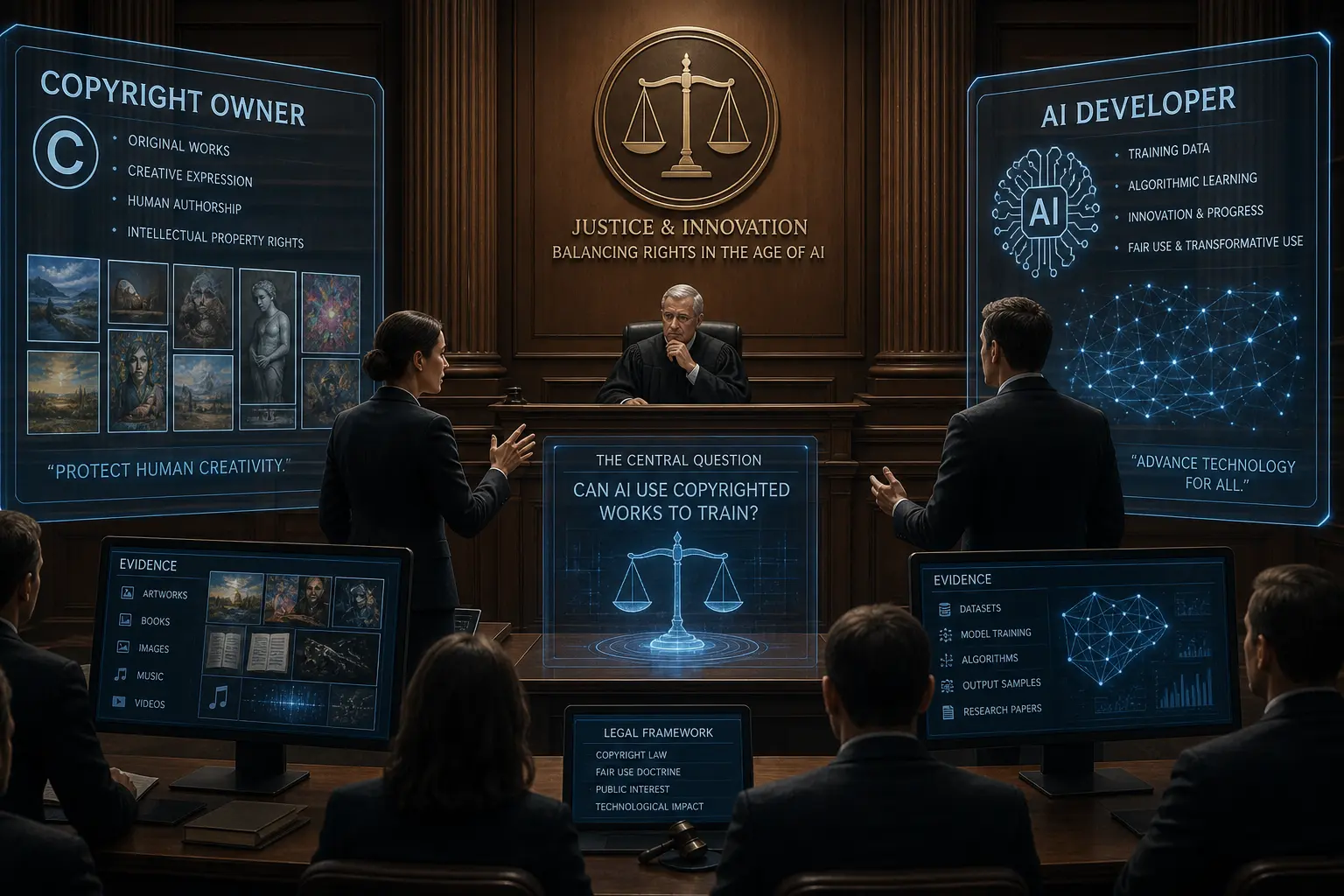
This incident is not isolated. It mirrors a growing number of cases where AI models are trained on vast datasets of existing creative works without explicit consent or compensation to the original creators. The legal and ethical frameworks surrounding AI-generated content and copyright are still nascent, leading to significant challenges for artists and intellectual property holders. The question of whether AI models "steal" art or merely learn from it is at the heart of this debate. Many artists argue that unauthorized use, even for training purposes, constitutes a form of theft, as it devalues their work and undermines their livelihoods.
Industry Insight: The legal landscape is struggling to keep pace with technological advancements. Current copyright laws, largely drafted before the advent of sophisticated AI, often fail to adequately address the complexities of AI-generated content. This legal vacuum creates opportunities for companies to exploit creative works, leading to disputes and calls for legislative reform. [1]
Precedent and Future Challenges
This situation draws parallels to other high-profile cases, such as cartoonist Matt Furie's legal battle against Infowars for the unauthorized use of his character, Pepe the Frog. While Furie eventually settled, these cases highlight the arduous and often financially draining process artists face in defending their rights. Green's contemplation of legal representation, despite the emotional and financial toll, reflects a growing determination among artists to protect their intellectual property.
Real-world Example: The case of Matt Furie and Pepe the Frog demonstrated that artists can successfully defend their copyrights against unauthorized commercial use, even when their creations become widely disseminated memes. This provides a glimmer of hope for artists like Green, but also underscores the need for robust legal protections. [2]
The Path Forward: Collaboration, Compensation, and Ethics
The Artisan incident serves as a stark reminder that the integration of AI into creative industries requires careful consideration of ethical implications and fair compensation for artists. Moving forward, there is a critical need for:
- Clearer Copyright Laws: Legislation must evolve to address the nuances of AI-generated content and ensure that artists' rights are protected.
- Ethical AI Development: AI developers must prioritize ethical sourcing of training data and implement mechanisms for fair compensation to creators.
- Industry Standards: The creative industry, in collaboration with AI developers, should establish clear guidelines and best practices for the use of AI in creative processes.
- Artist Empowerment: Artists need access to resources and legal support to defend their intellectual property in the face of AI-related infringements.
Statistics/Data Point: A recent survey of artists indicated that over 70% are concerned about the unauthorized use of their work by AI, with a significant portion reporting instances of their art being used without consent. [3]
Conclusion
The controversy surrounding KC Green and Artisan is more than just a dispute over a single image; it's a microcosm of the larger struggle to define the role of AI in creativity and to safeguard the rights of human artists. As AI continues to advance, it is imperative that we foster an environment that respects intellectual property, promotes ethical innovation, and ensures that human creativity remains valued and protected. The future of art in the age of AI depends on our collective commitment to these principles.
References
[1] "The Legal Landscape of AI and Copyright: An Evolving Challenge" - TechLaw Journal
[2] "Pepe the Frog Creator Wins Copyright Infringement Case" - Art & Law Review
[3] "Artists' Concerns in the Age of AI: A Global Survey" - Creative Industry Report