Case Study: Humane - An AI Startup That Failed to Launch
Learn about the strategic decisions, technical challenges, and market dynamics that shaped this AI startup's journey.
Case Study: Humane - An AI Startup That Failed to Launch
Humane: An Ambitious AI Startup That Failed
Status: Failed
Problem Solved
Humane aimed to redefine the way humans interact with computing by developing AI-powered, portable devices that could replace smartphones. Their vision was to create seamless, context-aware technology to assist users without relying on traditional screens or interfaces. The startup sought to solve the problem of intrusive devices and the dependency on screen-based interactions by introducing AI-driven ambient computing.
Why It Failed
Despite its high-profile founding team, including ex-Apple employees, and significant early hype, Humane struggled due to a combination of product ambiguity, technical complexity, and market misalignment. Key reasons for failure include:
Unclear Product Offering: Humane's core product was never clearly articulated, confusing investors and consumers alike.
Technical Challenges: Developing sophisticated AI-enabled hardware that functions reliably as a smartphone alternative proved more difficult and costly than anticipated.
Market Timing and Competition: The market was saturated with established smartphone platforms and rapidly advancing AI assistants from tech giants, making Humane's differentiated value proposition unclear.
Go-to-Market and Execution Issues: Delays in product development and insufficient proof of concept led to eroding investor confidence and inability to secure further funding.
Funding and Evaluation
Total Funding: Humane raised approximately $100 million across several funding rounds.
Peak Valuation: Their peak valuation reached close to $300 million at their height of investor enthusiasm.
How It Works (Technical Overview)
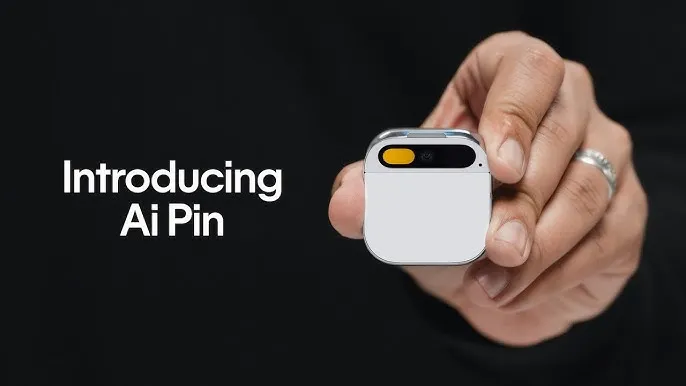
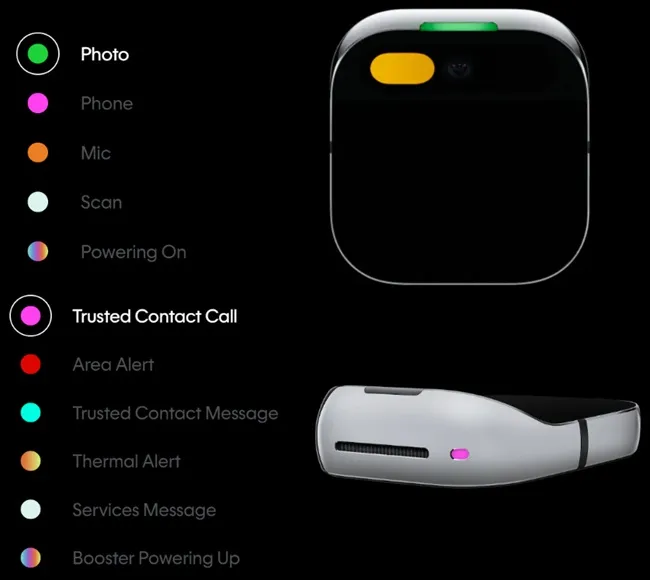
Humane envisioned a pocket-sized AI device integrating computer vision, natural language processing, and contextual computing to interact with users without screens. The technology stack was to include:
Custom AI hardware optimized for low-latency inference.
Advanced sensors and cameras for environmental awareness.
Proprietary AI models for intent recognition and assistance.
The device was intended to project information onto surfaces and understand user commands contextually, moving beyond touchscreens and traditional interfaces.
Perspective
Humane's failure underscores the challenges startups face when attempting to reinvent fundamental technology paradigms. While ambitious and visionary, the lack of a clear, viable product and the enormity of technical challenges proved insurmountable. In highly competitive markets dominated by tech giants, mere innovation isn't enough — startups must couple visionary technology with clear market fit, executable roadmaps, and demonstrable prototypes. Humane's story serves as a cautionary tale about balancing breakthrough innovation with pragmatic execution.