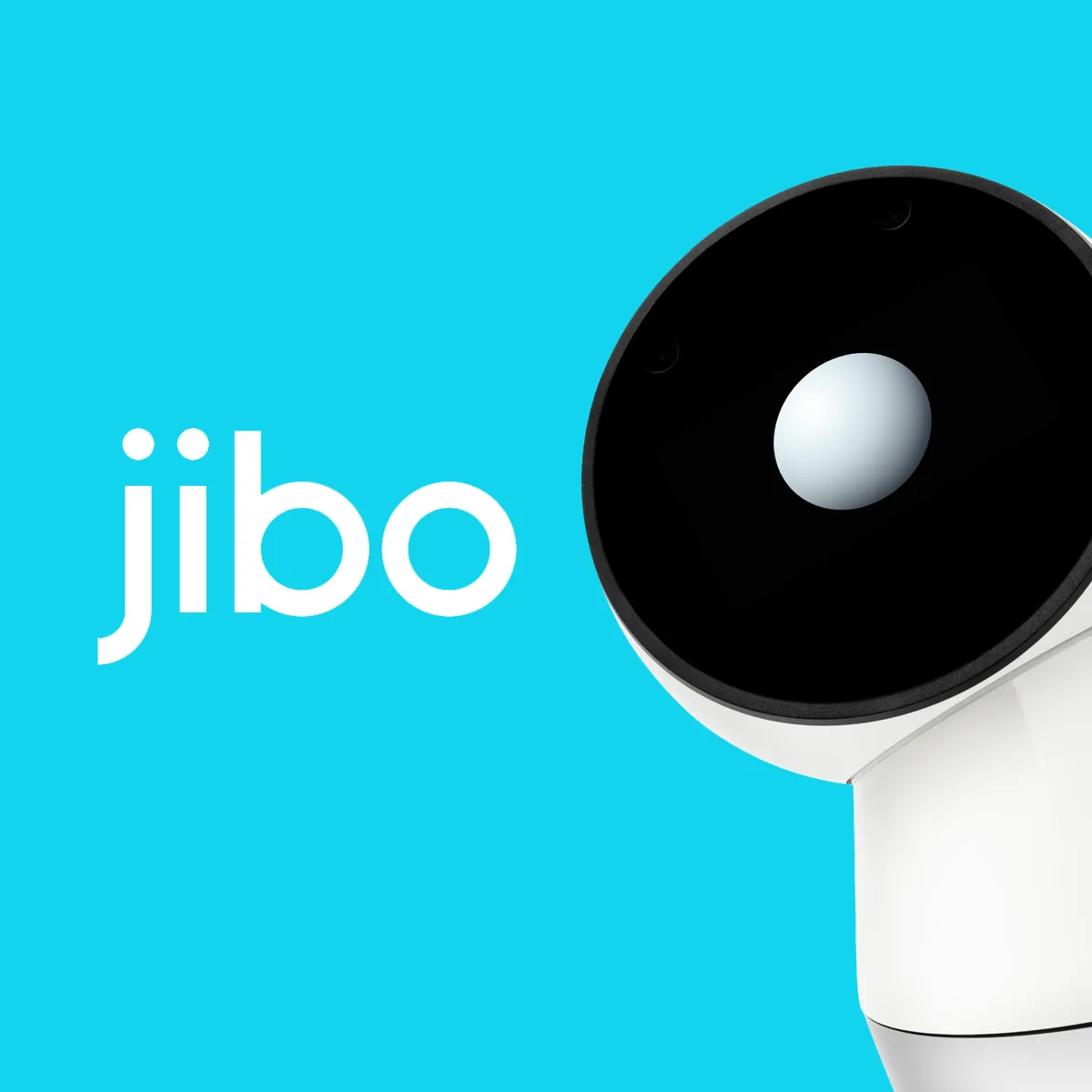
Case Study: Jibo - The Social Robot That Struggled to Connect
Jibo: The Social Robot That Struggled to Connect
Status: Failed
Problem Solved
Jibo aimed to create a personal social robot designed to interact with family members in the home, providing companionship, assistance, and intelligent responses through natural language. It targeted the gap between impersonal technology and human-like interaction by making AI accessible and engaging in everyday life.
Why it Failed
Despite its innovative approach, Jibo failed due to a combination of factors including overly ambitious marketing that did not align with its limited technical capabilities, high cost for consumers, limited third-party integrations, and lack of clear, sustained use cases. The robot’s AI and interaction felt underwhelming compared to expectations set by promos, leading to consumer disappointment. Additionally, the inability to rapidly scale and evolve the platform, combined with slow software updates and relatively poor voice recognition and conversational abilities, decreased its relevance in a rapidly advancing AI ecosystem.
Funding and Evaluation
Jibo raised approximately $73.5 million in funding from investors including Bessemer Venture Partners, True Ventures, and NTT Docomo. Its peak valuation reportedly reached around $100 million. Despite the initial funding excitement and consumer interest, the company was unable to generate sustainable revenue, and eventually the parent company, Jibo, Inc., shut down in 2019.
How it Works
Jibo was designed as a small, expressive robot equipped with a 360-degree camera, microphones, and a display "face" that could animate expressions. It used a combination of onboard sensors and cloud-based AI to process voice commands, recognize faces, and respond in a social, conversational manner. The robot’s software stack integrated natural language understanding, speech recognition, and personalized interaction, aiming to build rapport with users over time.
Perspective
Jibo was an ambitious attempt to pioneer social robotics for the consumer market, a space that remains challenging even today. Its failure illustrates critical lessons about the importance of managing expectations, ensuring practical utility, and continuously evolving with technological advances. The social robot market demands not just charming hardware but robust, adaptable AI and compelling applications that justify ongoing investment from both consumers and developers. Jibo’s downfall highlights the divide between tech innovation hype and practical, scalable execution.
This case study was compiled based on publicly available information about Jibo's lifecycle and industry analyses.
Visuals